
Description
What a pretreat gel is for
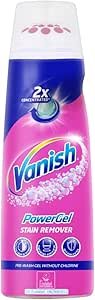
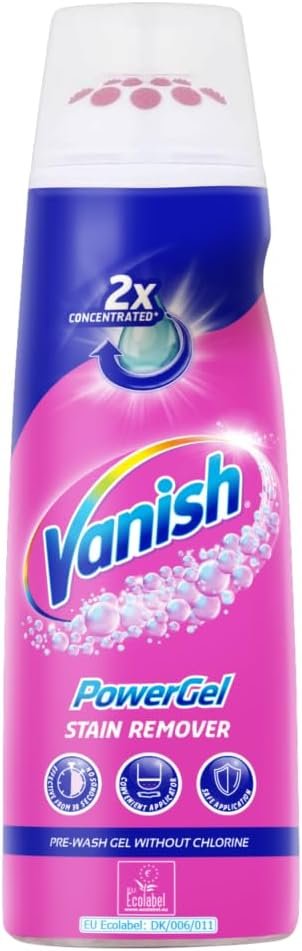
Vanish Pre Treat Stain Remover Gel is sold in a 200 milliliter bottle, which is about 6.8 fluid ounces. That is the whole of what the listing tells you about the product’s physical form. There is no manufacturer field, no ASIN in the specification block, no weight, no dimensions and no rating. The specification section on this listing is empty, which is unusual even in a catalog where thin data is the norm.
The job itself is clear enough. A pretreat gel is applied directly to a stain before the garment goes into the wash, and it sits on the mark long enough to start breaking it down while a detergent in the drum would be too dilute to do much. Gel is the right physical form for that: it does not run off a vertical surface like a collar or a cuff, and it stays where it is put. This is the product for the ring on a shirt collar, the sauce on a sleeve, the grass on a knee.
What it is not is a laundry detergent. It goes on the stain, then the garment goes in the machine with a normal dose of detergent as well. A pretreat used instead of detergent will leave the rest of the garment washed in almost nothing.
What is in it, which the listing does not say
There is no ingredient statement, no active named, no percentage, no pH figure and no description text. The listing does not say whether this gel works by oxidation, by enzyme action, by solvent, by surfactant or by some combination, and that is not a detail to guess at, because those four mechanisms behave very differently on different stains and different fabrics.
The practical consequence is that you cannot match this product to a stain type from the page. An enzyme product is the right answer for protein marks such as blood, egg, grass and sweat, and the wrong answer for wool and silk. An oxidizing product is the right answer for tea, wine and fruit, and a risk to colored fabric. Without knowing which this is, the only safe approach is to test on a hidden seam and follow the bottle.
The bullets, read closely
Four feature bullets are all the copy there is. Three of them are pure marketing: a powerful and fast acting gel, a boosted formula that works in minutes, and suitability for both colors and whites. None carries a test, a comparator or a time.
The fourth is the most useful line on the entire listing: the date on the pack is a production date, not an expiry date. That is genuinely worth knowing, because a buyer who finds a two year old date printed on a bottle would reasonably assume the product had expired and throw away a bottle that was still fine to use.
One further detail is worth naming. The third bullet spells colors in the British form, and the pack is sized in milliliters with no fluid ounce equivalent given. Both point to a pack produced for a market outside the United States. That does not make the product worse, but it does mean the label directions and any regulatory information printed on it may be written to a different standard than an American buyer expects.
Fabrics, and testing before you commit
The listing says suitable for colors and whites and stops there. It names no fabric exclusions at all, which in this product class is a gap rather than a reassurance.
Test on an inside seam or a hem before treating anything visible, and do it properly: apply a small amount, leave it the same length of time you intend to leave it on the stain, then blot with a white cloth and look for transferred dye. Take particular care with wool and silk, which are protein fibers that enzymes and alkalis attack. Take the same care with anything labeled dry clean only, with leather and suede, and with printed or screen printed graphics, where a gel can lift the print.
Do not let the gel dry on the fabric, and do not leave a treated garment in direct sunlight while the product is on it. Both concentrate whatever is in the gel against the fibers and against the dye, which is the most common way a pretreat leaves a lighter patch where the stain used to be.
Correct use, and the safety points
Work quickly. Fresh stains lift far more readily than set ones, and any pretreat performs better on something that happened this morning than on something washed and dried a week ago, since drying and heat set most stains permanently.
Apply the gel to the stain, work it in gently with a fingertip or a soft brush, leave it for the time the bottle specifies, and then wash the garment as normal at the temperature its care label allows. Do not tumble dry a garment until you have checked that the stain is actually gone, because the dryer will set anything left behind.
On safety, treat this as a concentrated cleaning product. Keep it off skin and out of eyes, wash hands after use, and store it capped, upright and out of reach of children. Never mix it with any other laundry product in a bowl or a bottle, and never combine it with a chlorine bleach product on the same garment, whether at the same time or in sequence without a thorough rinse. With no ingredient list on the page there is no way to predict what would react.
Cost, and the alternatives that publish more
Two hundred milliliters is a small bottle and a pretreat is used a few milliliters at a time, so cost per stain is low and this is a slow moving consumable in most households. The real cost question is whether it works on your stains, which this listing gives you no way to judge in advance.
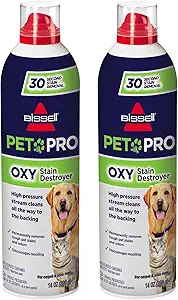
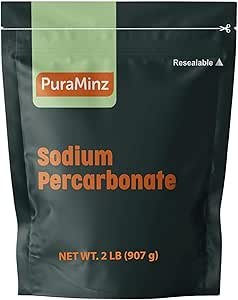
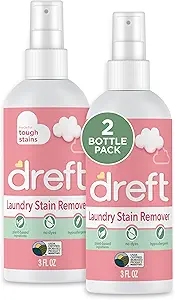
The alternatives in the catalog document themselves better. For a pack targeted at baby and toddler stains, the Dreft baby stain remover is the mainstream option. For carpet and upholstery rather than clothing, the Bissell Oxy stain remover is the right tool. For a plain oxygen based powder you can dose yourself, the sodium percarbonate stain remover names its own chemistry, which is more than this page does. If dye transfer rather than staining is the problem, a dye trapping sheet addresses a different failure entirely. Browse the wider selection under stain removers, and the detergents that follow the pretreat under liquid detergent.
Who should buy it and who should not
Buy it if you already know the Vanish range suits your laundry and you want a gel format for collars, cuffs and spot work. The gel form is the right physical answer for a vertical stain and the production date note is a helpful piece of packaging information.
Do not buy it if you need to match a chemistry to a stain type, because the listing names nothing at all. Do not buy it expecting a specification block, since there is not one. And test any colored or delicate fabric on a hidden seam first, because the page gives no fabric exclusions and the absence of a warning is not the same as an assurance.