Description
Five impregnated cloths, and how they work
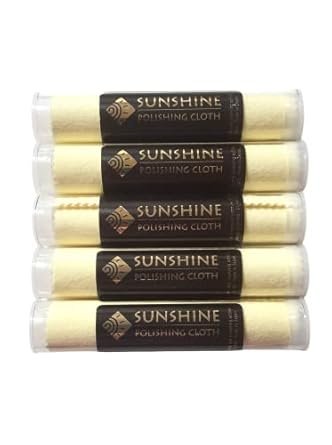
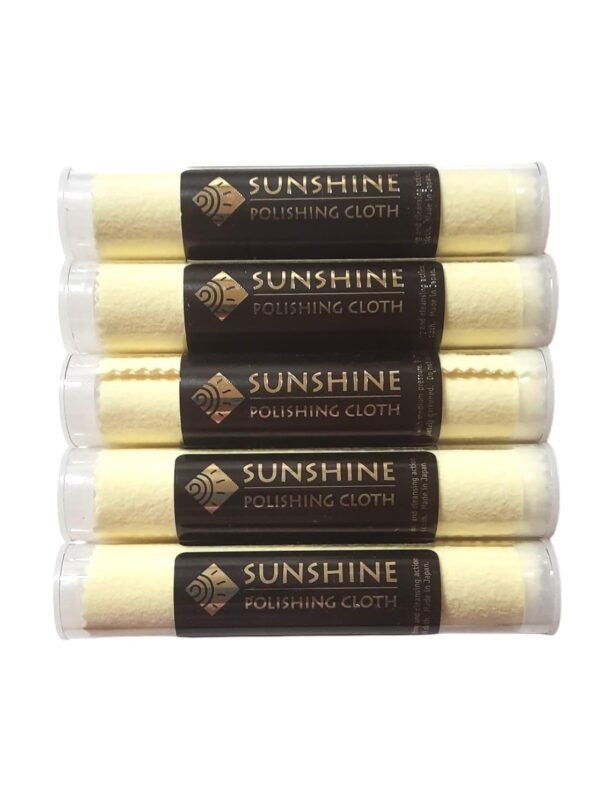
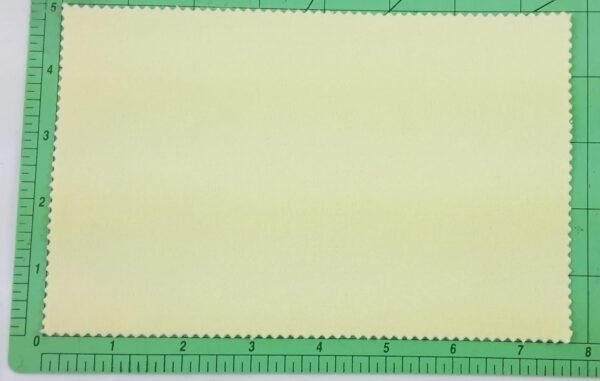
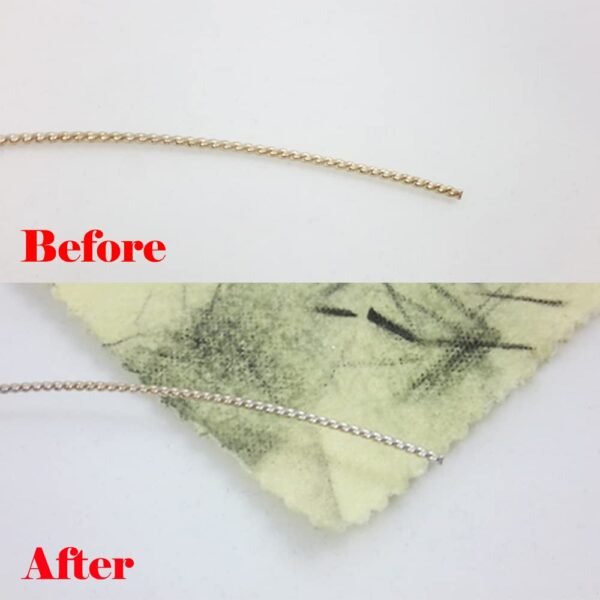
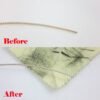
Sunshine Polishing Cloths are sold as five cloths, each in its own tube, measuring 7.5 by 5 inches. The listing describes them as soft sturdy cloth impregnated with a polishing and cleaning compound, intended to clean and polish wire and jewelry in silver, gold, brass and copper and leave a long lasting luster.
Understanding what an impregnated cloth actually is explains both its strengths and its limits. It is not a dry duster. It is fabric loaded with a very fine abrasive along with, in most products of this type, a chemical that reacts with tarnish. You rub, the compound removes the tarnish layer, and the cloth turns black as the tarnish transfers into it. That blackening is the cloth working, not the cloth wearing out.
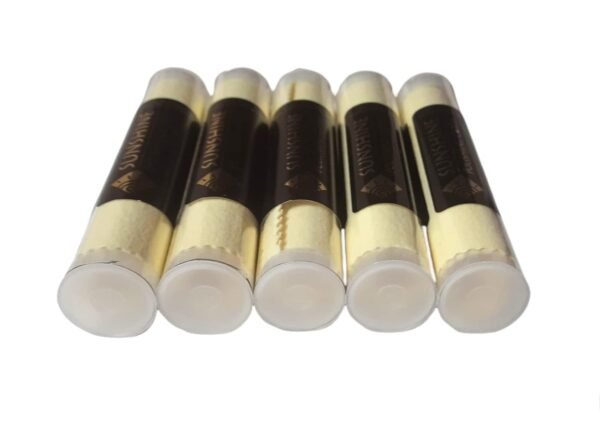
The individual tube packaging is more useful than it sounds. A polishing cloth left loose in a drawer picks up grit, and grit in a polishing cloth is how scratches happen. Keeping each cloth in its tube between uses genuinely extends its working life.
What tarnish is, and what a cloth can and cannot do
Tarnish on silver is a surface reaction with sulfur compounds in the air, and it darkens over months in a drawer and faster in humid or polluted air. A polishing cloth removes it mechanically and chemically, and because it removes a thin layer of the metal surface along with the tarnish, it is not something to do weekly on a piece you care about.
That is the central limitation to understand. Every polish removes material. On solid sterling silver that hardly matters over a lifetime. On silver plate, where a thin layer of silver sits over a base metal, repeated aggressive polishing wears through the plate and exposes the metal beneath, and that damage cannot be undone. Polish plated items sparingly and gently.
A cloth also cannot reach detail. Chains, filigree, engraved surfaces and the inside of settings are exactly where tarnish is worst and where a flat cloth cannot get, and this listing offers no solution for that. It also will not shift heavy black tarnish on a badly neglected piece, which is a job for a longer treatment or a professional.
No ingredient information is published anywhere. The compound is not named, no abrasive is identified and no tarnish inhibitor is disclosed. That matters for a couple of specific decisions below, and the printed tube is the only place to look.
What to keep the cloth away from
Three categories need real care and the listing mentions none of them.
Soft and porous gemstones come first. Pearls, opals, turquoise, amber, coral and emeralds are all soft, porous or fragile, and a polishing compound can scratch, dull or discolor them, particularly around a setting where residue collects. Keep a polishing cloth on the metal and away from the stones, and do not use one at all on a strand of pearls.
Deliberately oxidized and antiqued finishes come second. A great deal of modern silver jewelry has blackened recesses as part of the design, and a polishing cloth removes that finish exactly as effectively as it removes unwanted tarnish. Once it is gone, restoring it is a jeweler’s job.
Plated and coated items come third. Rhodium plated white gold, gold plate, gold fill and lacquered brass all have a surface layer, and polishing thins or removes it. If a piece has a coating specifically to stop it tarnishing, polishing defeats the point.
Using them properly
Work on a clean, dry item. Wash off dirt and skin oils first with mild soap and water and dry thoroughly, because rubbing grit across metal with a cloth is what puts fine scratches in a polished surface.
Rub gently in straight strokes rather than circles, and stop when the tarnish is gone rather than continuing for shine. Turn the cloth to a clean area as it loads up.
Do not wash a polishing cloth. Washing removes the compound that makes it work and leaves you with a rag. The cloth is finished when it stops lifting tarnish, however black it looks, and at that point it goes in the trash.
Store polished pieces to slow tarnish returning. Airtight bags, low humidity and keeping silver away from rubber bands, wool and some papers, all of which release sulfur compounds, does more for a collection than frequent polishing does.
Safety and handling
The listing publishes no ingredient list, no hazard statement and no first aid guidance, so the tube is your only source and it is worth reading before first use.
In the meantime, handle it as you would any polishing compound. Wash your hands after use and before eating, since polishing residue transfers readily to skin. Keep the compound away from eyes and mouth. Work in a ventilated space if you are polishing a large collection. Keep the cloths out of reach of children and pets, since a cloth carrying an unnamed chemical compound is not something for a child to play with and a black cloth is interesting to a toddler.
Never wet a polishing cloth with a household cleaner to make it work harder, and never combine it with another cleaning product. In particular, do not use it alongside chlorine bleach, ammonia based cleaners or acidic descalers, and never mix those with each other anywhere in the house, since bleach with an acid releases chlorine gas and bleach with ammonia releases chloramine. Ammonia is also actively harmful to some jewelry settings and to soft stones.
Dispose of used cloths with household waste, and do not leave a pile of loaded cloths in a heap.
Cost, and where a cloth fits among the alternatives
Five cloths at this size is a long supply for a normal jewelry box, since one cloth handles many pieces before it is spent. Cost per use is very low, and the format is by far the easiest entry point into metal care because there is nothing to mix, no liquid to spill and no rinsing.
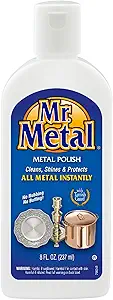
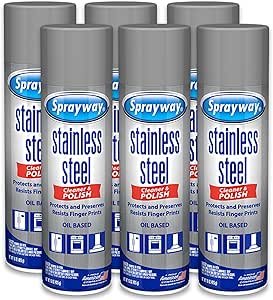
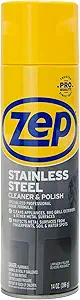
For larger metal surfaces a cloth is impractical, and a liquid or paste polish covers more ground. The catalog carries the Mr Metal polish for general metal work, and appliance specific products such as the Zep stainless steel cleaner and the Sprayway stainless steel cleaner for kitchen surfaces, which are a completely different job from jewelry. For heavy tarnish and burnt on residue on cookware rather than jewelry, an abrasive powder such as Bar Keepers Friend is the relevant product, and it should never go near jewelry. The wider metal polish listings and the all purpose cleaner listings cover the two sides of that.
Who should buy these and who should not
Buy them if you have solid silver, gold, brass or copper jewelry that tarnishes and you want a simple, low cost way to keep it bright, and you are willing to keep the cloth away from stones and antiqued finishes.
Do not use them on pearls, opals, turquoise or other soft and porous stones, or on deliberately oxidized designs. Go carefully on plated pieces, where polishing removes plate that cannot be replaced. And do not expect a flat cloth to reach into chains, filigree or settings, which is where tarnish is worst.