Description
What is actually in the box, and who made it
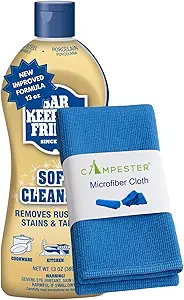
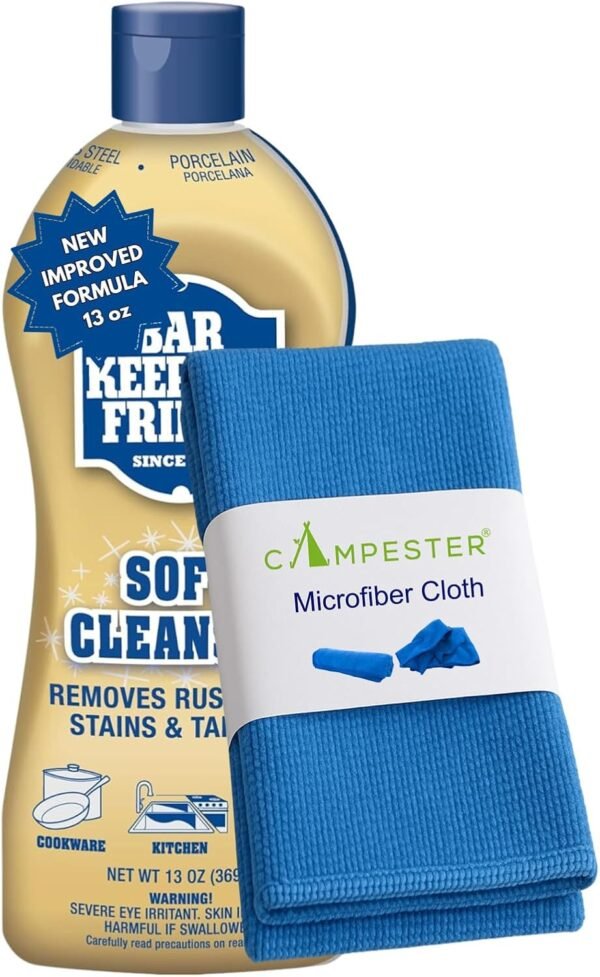
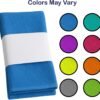
This listing is a reseller bundle, and getting that straight matters before anything else. The item is a 13 ounce bottle of Bar Keepers Friend Soft Cleanser packed together with a microfiber cloth, sold under the Campester name. The manufacturer field on the listing reads Campester, but Campester did not make the cleanser; the product title itself says the cloth is a bundle “for” the Bar Keepers Friend cleanser. So there are two makers here, one of whom is not identified in the specification fields at all, and any question about formulation, safety data or a recall belongs to the cleanser’s actual manufacturer rather than to the bundler.
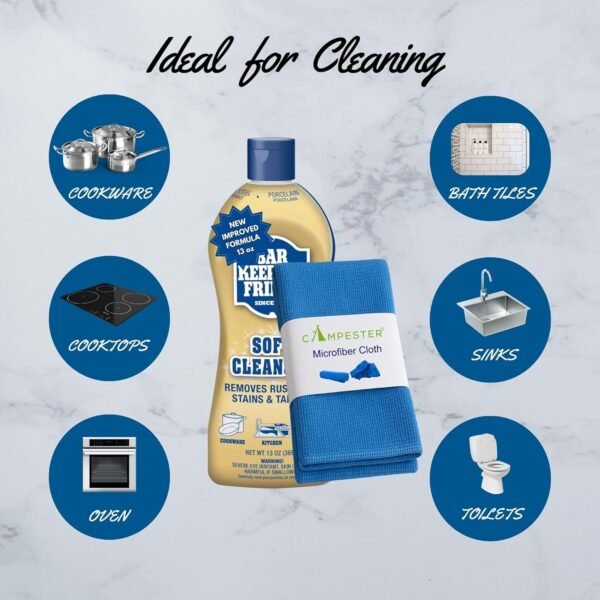
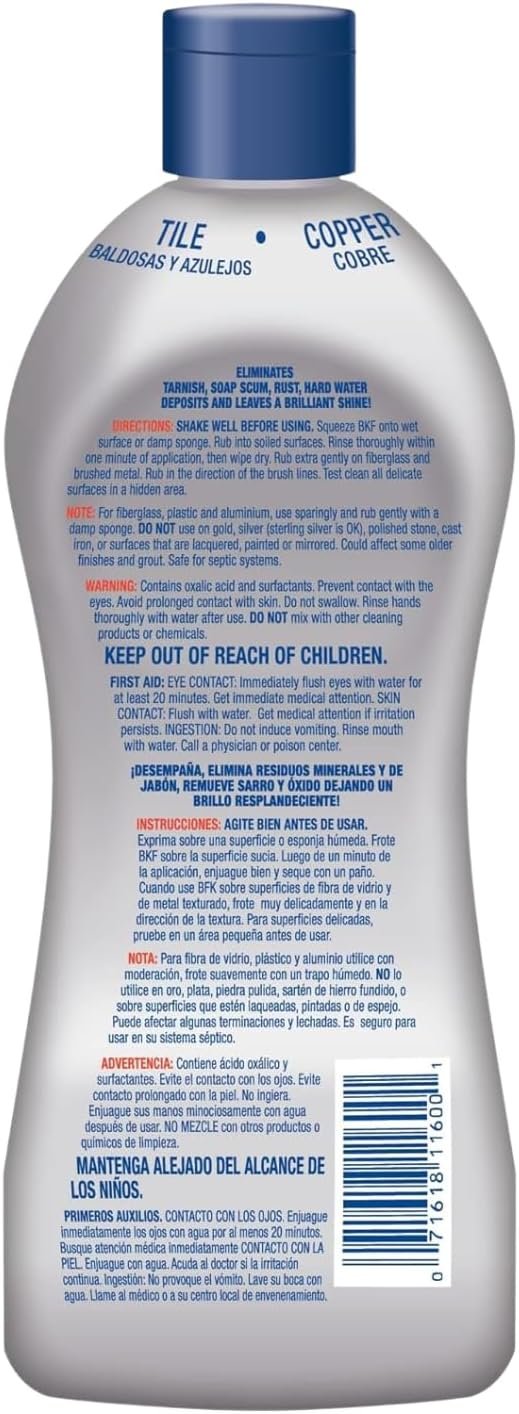
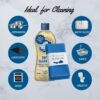
The job the cleanser is sold for is narrow and useful: rust marks, lime and hard water deposits, tarnish and soap scum on hard kitchen and bathroom surfaces. The listing names stainless steel, ceramic and tile, and specifically calls out pots, pans and cooktops. This is a scrub and rinse product, not a spray and walk away product, and not a disinfectant. No germ kill claim, no pathogen and no contact time appears anywhere in the listing, so treat it as a soil remover only.
The formulation the listing does not print
No ingredient list, no active, no concentration and no pH are published here. That is a notable gap for a product whose whole selling point is removing rust and tarnish, because that work is done either by an acid, by an abrasive, or by both together, and a buyer choosing a surface needs to know which. The only chemistry statement in the listing is a negative one: Campester describes the formula as non bleach and says it is free of harsh fumes. Everything else about what is in the bottle has to come off the label.
Why a soft cleanser behaves differently from a powder
Soft cleansers are creams: fine abrasive particles suspended in a liquid carrier so the abrasive stays put where you apply it and does not scatter. The practical differences from a powder version are that a cream is easier to control on a vertical surface, easier to apply thinly, and less likely to be over applied, while a powder is usually more aggressive per gram and cheaper per use. If you already know the powder works for you, the Bar Keepers Friend powder cleanser is the same family in the other format. There is also a stone specific version, the Bar Keepers Friend stone cleaner, which exists precisely because the general purpose formula is not the right answer everywhere.
Surfaces: what it is offered for, and what to keep it off
The listing names stainless steel, ceramic, tile, copper cookware, pots, pans and cooktops. Those are hard, non porous, chemically tolerant surfaces, and they are where a mild abrasive cream belongs.
The surfaces the listing does not mention are the ones to think about, because with no published pH there is no way to rule out acid damage. Polished natural stone, marble, travertine and limestone are etched by acidic cleaners, and any abrasive dulls a polish regardless of pH. The same caution applies to anodized aluminum, to painted and powder coated finishes, to glossy appliance fascias, to acrylic and to anything with a printed graphic. Manufacturer coated cookware, including nonstick, is another poor candidate for an abrasive. Test in a hidden spot every time, work with light pressure, and stop as soon as the mark lifts rather than scrubbing to a finish. For polished stone specifically, use a stone rated product instead. For soap scum on shower glass, a non abrasive option such as the Rejuvenate soap scum remover avoids scratching the glass coating.
Correct use, protection and storage
The published method is short: squeeze the cleanser onto a wet surface, rub it in with a wet cloth or sponge, and rinse. Three details make the difference. Wet first, because a cream abrasive on a dry surface scratches more. Rinse thoroughly, because an unrinsed acidic or abrasive residue keeps working on the finish after you have walked away and can leave a dull film. And do not let it dry on the surface, particularly on stainless steel, where dried residue is harder to remove than the original mark.
On protection, the listing says the formula is free of harsh fumes, which is a comfort claim rather than a safety instruction. Since no ingredients are published, wear gloves for extended scrubbing, keep it out of the eyes, and rinse skin promptly on contact. Ventilate the room as you would for any bathroom cleaning session. Most importantly, never combine this with any other cleaner. Do not use it on a surface that still holds a bleach product, do not mix it in a bucket with anything, and do not follow it with an ammonia based glass cleaner without rinsing first. Acid and hypochlorite together release chlorine gas, and because this listing does not disclose whether an acid is present, the only safe assumption is that it might be. Store it capped and upright, out of reach of children, and away from food.
Cost, and whether the bundle is the way to buy it
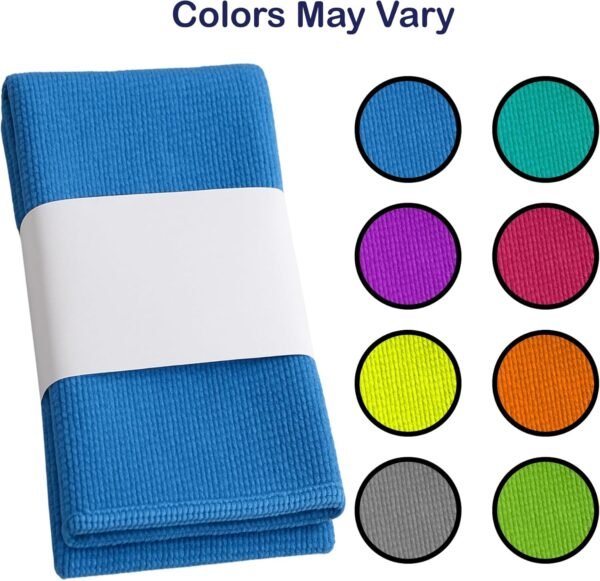
The value question here is simple: you are paying for a 13 ounce bottle plus one microfiber cloth, and the cloth is a commodity. A cream cleanser is used in small quantities, a pea sized amount per pan, so a 13 ounce bottle lasts a long time and the cost per use is low either way. Whether the bundle is worth it depends entirely on whether you want the cloth, and the listing gives no dimensions, weight or GSM for it, which is the specification that separates a good microfiber cloth from a bad one.
Alternatives depend on the soil. For stainless appliance panels, where the goal is streak free shine rather than abrasion, a dedicated product like the Zep stainless steel cleaner is a better match. For mildew stains on marine or outdoor surfaces, the Star brite mildew stain remover works by a different mechanism entirely. Broader options are on our all purpose cleaners shelf, and the tarnish and shine products are grouped under metal polishes.
Two data problems should be named. The package weight of 13 ounces matches the bottle alone and leaves no allowance for the cloth or the packaging, so the shipping specification appears to have been copied from the cleanser rather than measured for the bundle. And the listing’s own description shifts between calling the product a Campester bundle and a Bar Keepers Friend cleanser within the same paragraph, which means the brand you are buying is ambiguous from the page. The item currently ranks 709th in the retailer’s all purpose household cleaners chart.
Who this bundle suits
Buy it if you want a cream cleanser for rust, lime and tarnish on stainless, ceramic and tile, and a spare microfiber cloth is genuinely useful to you. Skip it if you already own microfiber, if your surfaces are polished stone, nonstick or coated, or if you want to read the ingredient list before you scrub something you cannot replace.