
Description
What this bottle is actually built for
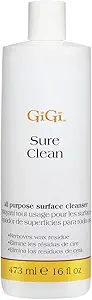
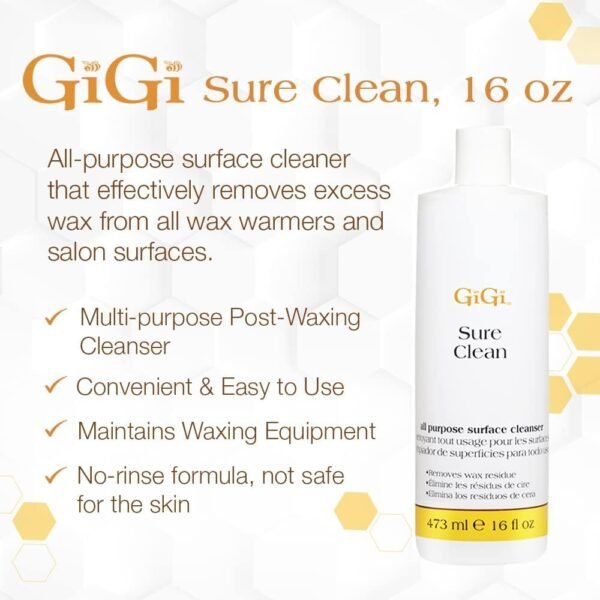
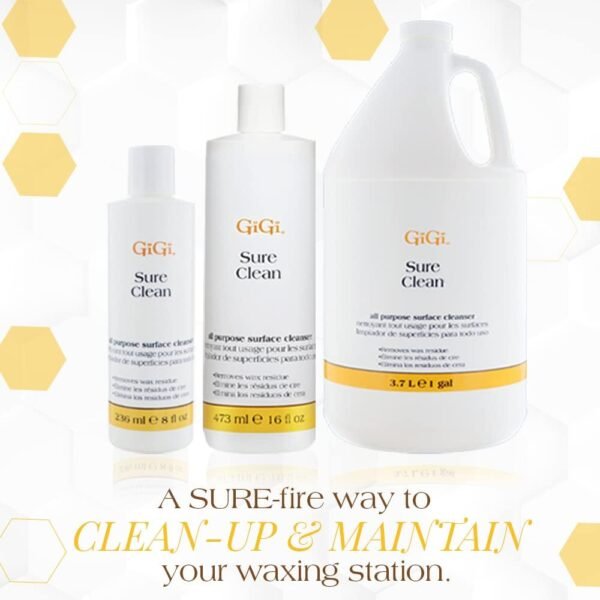
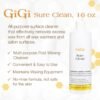
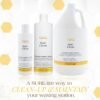
GiGi Sure Clean is a 16 fluid ounce wax residue remover, model number 750, made by American International Industries and on sale since March 2013. Amazon places it 22,354th in Health and Household and 310th among all purpose household cleaners.
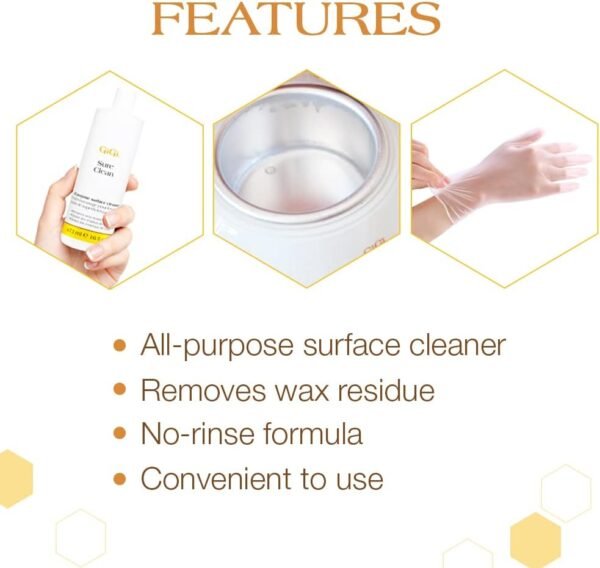
The category placement is misleading and worth correcting up front. GiGi is a depilatory waxing brand, and this product exists to clean hardened wax out of wax warmers and off salon surfaces. That is a specialist job. Depilatory wax is a rosin and polymer blend that hardens into a film water will not touch, and a general household cleaner will not shift it. This bottle is for salons, estheticians and anyone who does waxing at home and has a warmer with a crust in the bottom of it.
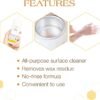
The listing then widens the pitch considerably, calling it an all purpose surface cleaner and naming carpets, floors, upholstery and clothing, plus chewing gum, grease, crayon and lipstick. Those are all sticky, resinous soils, so the chemistry is plausible for them. It is still not a countertop spray, and treating it as one is buying the wrong product at a specialist price. General household work belongs in the all purpose cleaners aisle.
What the listing publishes about the formula, which is nothing
The description field is empty. There is no ingredient statement, no solvent named, no percentage, no pH, no flash point and no VOC figure. Four short feature bullets are the entire body of information.
This is a more serious gap here than on most products. A cleaner that dissolves hardened wax is doing it with a solvent, and solvents differ enormously in how flammable they are, how they behave on plastics, and what ventilation they need. Without a named solvent a buyer cannot judge any of that from this page. The label on the bottle and the manufacturer’s safety data sheet are the only places that information exists, and both should be read before the first use, particularly by anyone using this in a small treatment room.
One specification that cannot be right
The title says 16 fluid ounces. The product dimensions field gives the shipping weight as 11.22 ounces. Sixteen fluid ounces of any water based or solvent based liquid weighs more than eleven ounces on its own, before the bottle and the carton. One of those two figures is wrong, and the listing gives no way to tell which. If the volume matters to your cost comparison, treat it as unconfirmed.
Surfaces, and the warning the listing does give
The one clear safety instruction on this page is the fourth bullet: Sure Clean is not for use on skin. That is unusually direct for an Amazon listing and it should be taken literally. This is a solvent cleaner in a category adjacent to body care products, sitting on the same shelf as things that do go on skin, and the manufacturer has drawn the line explicitly.
Everything else about surface compatibility has to be inferred, because the listing says only that it works on carpets, floors, upholstery and clothing. Test first, every time, and think about what solvents do. Plastics are the main risk: acrylic, polystyrene and painted plastic can craze, soften or lose gloss under solvent contact, and a wax warmer housing is usually plastic even when the pot is metal. Varnished and lacquered wood is the second risk, where a solvent lifts the finish rather than the soil. Vinyl flooring and vinyl upholstery can be softened or discolored. On fabric and carpet, test a hidden section for both color transfer and for a ring left behind after drying.
The bullet claiming a no rinse formula sits awkwardly against those same uses. A no rinse product left in carpet pile or in clothing leaves residue in the fiber whatever the label says, and residue in a fabric attracts soil. On anything textile, treat it as a spot product and rinse the treated area with water afterward.
Using it safely
Ventilate. Open a window or run extraction, especially in a treatment room, and do not work with this in a closed space for an extended period. Wear gloves. Keep it away from open flame, heat and any warmer that is still switched on and hot, because you cannot tell from this listing whether the liquid is flammable and the sensible assumption for a wax dissolving solvent is that it might be.
Let a warmer cool before cleaning it, and unplug it. Never pour cleaner into a live electrical appliance. Wipe out as much soft wax as possible with paper first, so the solvent is dissolving a film rather than a lump.
Store it capped and upright, out of reach of children, away from heat and away from other cleaning products. Never mix it with anything else in a container. Do not pour solvent residue down a drain into a septic system, and do not soak rags in it and leave them balled up.
Cost, and the alternatives by soil type
A specialist bottle is judged on how often you need it. If you run a warmer weekly, 16 ounces used sparingly on a cloth lasts a long time and the cost per clean is small. If the wax problem is one spill on a carpet, this is an expensive way to solve a single incident.
Match the alternative to the actual soil. For heavy cooked grease rather than wax, an alkaline degreaser is the right chemistry, and the Shumanit cold grease remover is built for that. For general surfaces and a dilutable concentrate, the Zep multi purpose cleaner covers far more ground per dollar. For ink, marker and adhesive marks on fabric, the Amodex ink stain kit is the specialist. For scouring a hard surface after the residue is off, the Bar Keepers Friend powder cleanser finishes the job. Fabric specific work sits under stain removers.
Who should buy it and who should not
Buy it if you own a wax warmer or work in a salon and you need the thing that actually removes hardened depilatory wax from equipment. That is a narrow job with few alternatives and this product is aimed squarely at it.
Do not buy it as a household all purpose cleaner despite the category and the second bullet, because it is priced and formulated as a specialist solvent. Do not use it on skin, which the manufacturer states directly. And do not use it on plastic, lacquer or vinyl without testing a hidden area first, because with no solvent named on the listing there is no way to predict what it will do to a finish.