

Description
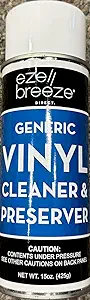
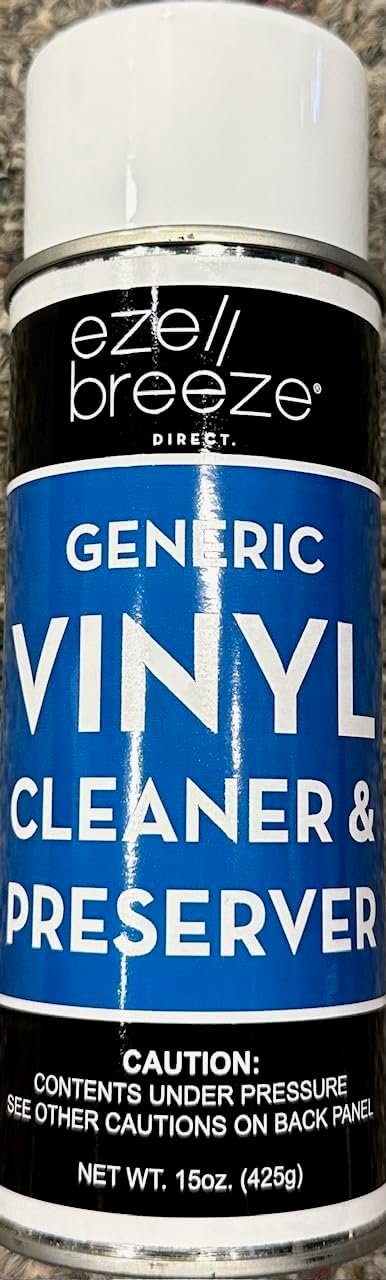
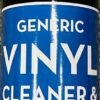
A specialty product wearing an all purpose label
This 15 ounce can is not a general household cleaner, despite where it sits in the catalog. It is a maintenance product for one specific material: the flexible vinyl glazing used in EZE Breeze style porch and patio enclosure windows. Those panels are not glass and not rigid acrylic. They are thin sheets of clear vinyl that slide in tracks, and they age in a way glass never does, going cloudy, brittle and yellow under years of ultraviolet light. A product aimed at them has to clean without cracking the sheet and, ideally, leave something behind that slows the aging.
Verilon Plastics markets exactly that combination. The listing describes the product as cleaning the vinyl and leaving what it calls a long lasting invisible shield that repels dirt and soil, reduces finger smudges, and when used periodically helps prevent drying, fading, cracking and other sunlight and weather related damage. Those are the manufacturer’s claims, offered without any test data, exposure period or coating chemistry behind them. If you own a porch enclosure you already know this is a narrow market with few products in it, and this one is presented as comparable to or better than the cleaner sold by the original window manufacturer.
What is in the can, and the form factor confusion
No ingredient list, no active, no concentration and no cure or dry time are published. Nor is there any statement of what the protective layer is made from, which is unfortunate because that is the whole premium being charged. Whether the shield is a silicone, a wax, an acrylic or a UV absorber makes a real difference to how often it must be renewed and to what can be applied over it later, and none of it appears on the page.
Three descriptions of the same product, none of them matching
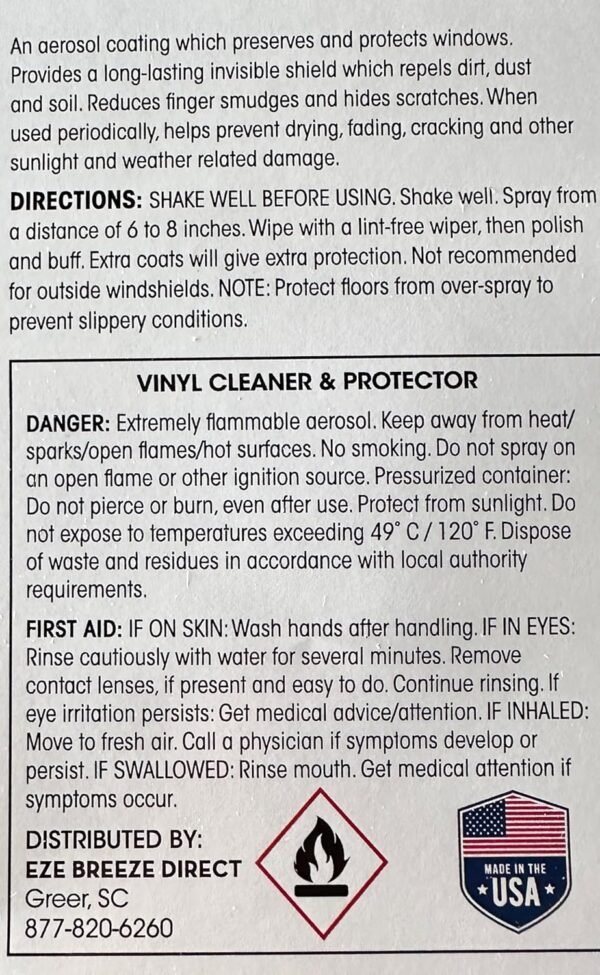
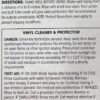
The listing cannot decide what physical form this takes. The first bullet says to apply the cleaner directly to the surface and wipe it off with a microfiber cloth, which describes a liquid cleaner. The second bullet calls it a foam spray. The long description calls it an aerosol coating. A liquid you wipe off, a foam and an aerosol coating are three different products with three different application methods, and a buyer cannot tell from this page which one arrives. The description also carries three spelling errors in a single paragraph, which is a fair signal of how carefully the copy was assembled. Treat the printed directions on the can as authoritative and ignore the page.
What it belongs on, and what to keep it away from
Flexible vinyl window panels in a porch enclosure are the intended surface, and the product is named for one specific brand of them. Related plastics such as marine and convertible vinyl are plausible neighbors, but the listing does not name them, so treat that as untested. Test on a corner of one panel and wait a day before doing the whole enclosure.
Keep it off anything it is not sold for. Polycarbonate and acrylic glazing are attacked by some solvents, and a product formulated for vinyl is not automatically safe on them. Do not use it on glass shower doors, where a purpose built product such as the Rain X shower door cleaner or a coating like EnduroShield glass polish is designed for the substrate. Do not use it on painted siding, on rubber track seals or on the aluminum frame, and do not put it on any surface you walk on, since a repellent coating on a floor is a slip hazard. If the panels have mildew rather than dirt, that is a different chemistry entirely and a product such as the Star brite mildew stain remover addresses it, though the vinyl should be tested first.
Applying it, and the safety that goes with an aerosol
The method as described is to apply to the surface and wipe with a microfiber cloth. Work in shade rather than direct sun so the product does not flash off before it spreads, do the panels in sections, and use a clean cloth face for the final pass so you are not dragging the residue you just lifted. Vinyl scratches easily, so never use a paper towel, a scouring pad or anything abrasive on it, and never use a squeegee blade that has picked up grit.
If the can is an aerosol, treat it as one. Aerosols are pressurized and most carry a flammable propellant. Do not spray near an open flame, a pilot light, a grill or a space heater, do not smoke while using it, and do not leave the can in a hot car or in direct sun, because heat raises internal pressure. Ventilate the space, which on a screened porch usually means opening the panels themselves. Do not puncture or incinerate the can and dispose of it according to local rules for pressurized containers. Wear eye protection when spraying overhead, and never spray this or any other product into a space where it can be combined with another cleaner still wet on the surface. The listing gives no first aid guidance and no hazard statement, so the can’s own label is the only source.
What it costs to keep a porch looking clear
Fifteen ounces is a modest quantity for an enclosure with a dozen large panels, and the running cost depends entirely on how often the coating has to be renewed, a number the listing never gives. The phrase used is “when used periodically”, which is not a maintenance interval. Budget on the assumption that a protective layer applied to an outdoor surface exposed to sun and rain will need refreshing at least seasonally, and check the panels for the point at which water stops beading.
The comparison worth making is against doing nothing but cleaning. A gentle wash with a mild neutral cleaner and a soft cloth removes the dirt without adding a coating, and general purpose sprays such as The Pink Stuff multi purpose spray or a protectant like Revive protect cleaner cost less per use, at the price of no ultraviolet claim. Whether the coating earns its premium depends on whether it genuinely slows the yellowing, and this listing publishes nothing that would let a buyer judge that. Other sprays sit on our all purpose cleaners shelf and the transparent surface products are grouped under glass cleaners.
Two more oddities belong in the record. The listing calls the item “Generic EZE Breeze” in its own description while selling it under the EZE Breeze name, with Verilon Plastics as the manufacturer of record, so the brand relationship is unclear from the page. And its placement in an all purpose cleaners category is misleading for a product with a single named substrate; it currently ranks 1,361st in that chart, which reflects how far outside the mainstream of the category it sits.
Who should buy this can
Buy it if you own an EZE Breeze or similar vinyl panel enclosure and you want a maintenance product made for that material rather than a general cleaner. Skip it if you need to know what the protective layer is before you apply it, if your panels are acrylic or polycarbonate rather than flexible vinyl, or if you simply want the dirt off, which a mild cleaner and a soft cloth will do for less.