
Description
What a 150 load bottle is really offering
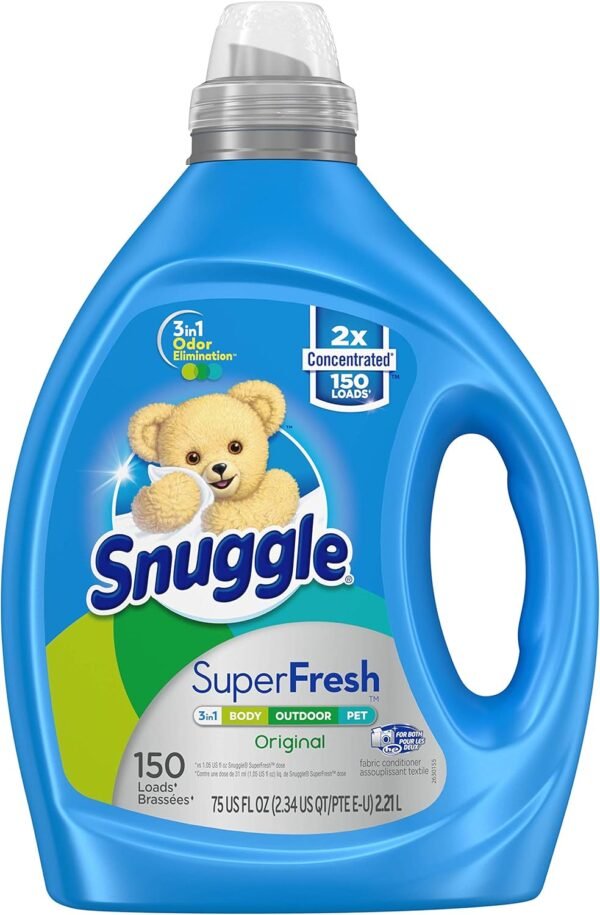
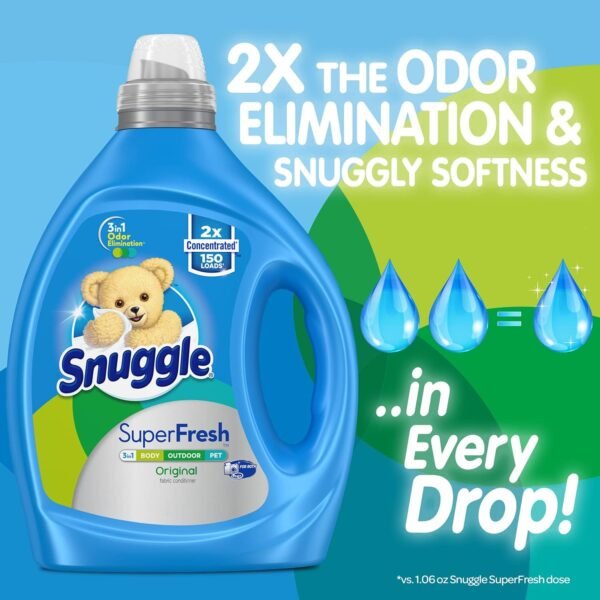
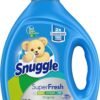
Snuggle sells this as a single 75 ounce bottle of 2X concentrated liquid fabric conditioner in the Original SuperFresh scent, rated for 150 loads. Divide it out and that is half an ounce of product per load, which is a small dose by the standards of the category and the point of the concentration. The household this suits is a high volume one that wants softness and scent without storing a jug the size of a paint can.
The other half of the pitch is odor. Snuggle describes this as an odor eliminating formula that helps eliminate tough odor rather than masking it, and positions the bottle as part of a wider regimen with matching dryer sheets and in wash freshness boosters. Softening and odor control are separate functions and it is worth keeping them apart when deciding what to buy: a conditioner coats fiber, an odor product neutralizes or covers a smell, and a bottle that promises both is doing two jobs at whatever balance the formulator chose. Sheet versions of the same idea, such as the Snuggle fabric softener sheets, apply the coating in the dryer instead of the rinse.
What the label publishes, which is not much
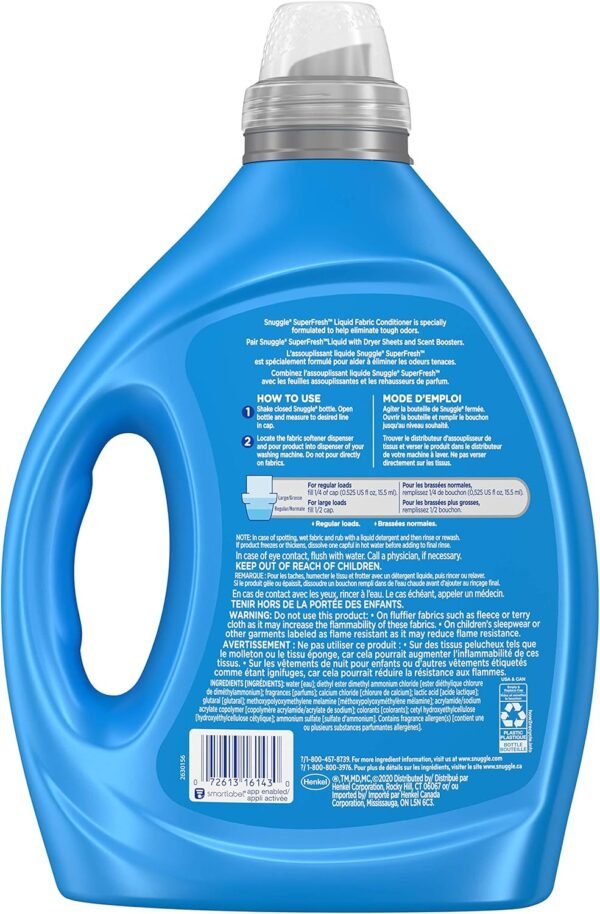
No ingredient list, no active, no concentration figure and no pH appear anywhere in this listing. There is not even a manufacturer field or a package weight; the specification block for this item is empty. The chemistry statements available are relative rather than absolute: the formula is described as delivering twice the softness per drop compared with the brand’s own standard SuperFresh liquid, and as containing odor eliminating technology that is never named.
How a rinse cycle conditioner works, and where the coating goes
Liquid fabric conditioner is added to the rinse rather than the wash, because it needs to deposit onto clean fiber after the detergent has been rinsed away. The softening agent is a positively charged compound that is attracted to the negatively charged surface of wet fabric, so it plates out onto the fibers as an even, lubricating layer. That layer is what makes cloth feel smooth, reduces the friction that generates static in the dryer, and holds fragrance so it releases over the following days.
Everything good and everything bad about the product comes from that same coating, and the listing does not discuss the bad side at all. The film reduces absorbency, so towels dry you less well over repeated washes. It reduces wicking, so athletic fabric holds sweat rather than moving it. It can affect the flame resistant finish on children’s sleepwear, and garment makers of both activewear and certified sleepwear commonly advise against softeners. It coats microfiber cleaning cloths and reusable mop pads badly enough to ruin their grip. None of that appears in the listing, so it belongs here.
Machines and fabrics: what it names and what to keep it away from
Snuggle states the product is safe for both standard and high efficiency machines. That is the important compatibility fact for anyone with a modern front loader, because HE machines use far less water and a product not formulated for them can leave residue.
Use the dispenser drawer, never the drum. Concentrated conditioner poured directly onto clothing at the start of a cycle can leave greasy blue or gray marks that look like oil stains, and those marks are difficult to remove once dried in. If your machine has no conditioner compartment, dilute the dose in water and add it at the start of the rinse rather than tipping it onto fabric.
Keep it off towels, dish cloths, cloth diapers, microfiber and technical activewear for the reasons above, and off anything down filled, where the coating flattens loft. Everything else, cotton and blended clothing and bed linen, is what the format is built for. If you want reduced static and shorter dry times without adding any coating at all, wool dryer balls are the mechanical alternative, at the cost of no fragrance.
Dosing, storage and the mixing rule
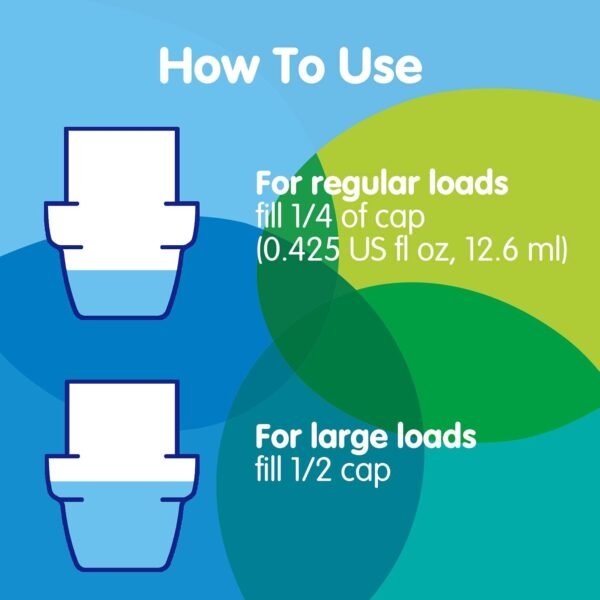
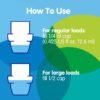
Use the cap markings and resist the urge to overpour, which is by far the most common error with a concentrated product. Overdosing does not make fabric softer; it builds up residue in the machine’s dispenser and in the fabric itself, which is a common cause of towels that feel slick but no longer absorb and of a musty smell in a front loader. If your machine’s conditioner drawer is gummy, that is what overdosing looks like.
Store the bottle capped, upright, at room temperature and out of reach of children and pets. Fabric conditioner is not a food and it is brightly colored, which is exactly the combination that gets a small child’s attention. Do not decant it into an unlabeled container.
Never mix it with anything. Do not add conditioner to the same dispenser compartment as chlorine bleach; the two are chemically opposed, bleach deactivates the softening agent, and the combination wastes both. Do not add it in the wash cycle with detergent, where the same neutralization occurs. If a load needs bleach and conditioner, they go in separate compartments and separate parts of the cycle, which is precisely what the machine’s dispenser design assumes. And do not combine this with any other household cleaner in a bucket for hand washing.
Cost per load, and the alternatives that do this differently
Half an ounce per load across 75 ounces is the whole cost argument, and concentration genuinely helps here: less water shipped, less plastic per load, less shelf space. Compare on cost per load rather than cost per bottle, and be aware that the 150 load figure assumes the smaller of the cap markings, so a household that habitually fills to the top line will get considerably fewer.
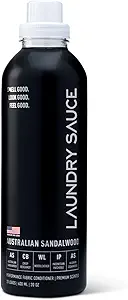
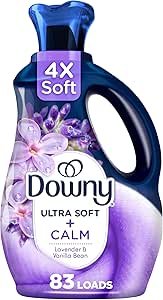
Among the alternatives, Downy Ultra soft liquid fabric softener is the direct mainstream competitor with a similar concentration story, while the Laundry Sauce liquid fabric softener occupies the premium fragrance end of the same shelf. If scent longevity rather than softness is what you actually want, an in wash bead product such as the Downy Unstopables scent booster delivers it without adding a coating to fabric. The rest of the category is under liquid fabric softener, with the dryer format in dryer sheets.
Some contradictions in the record should be named. The product title sells Snuggle SuperFresh while three of the five bullets describe Snuggle Plus SuperFresh, which is a differently named product line, so it is not clear from the page which one arrives. One bullet reads “one 75-ounce bottles”, singular and plural at once. The 2X claim is measured against the brand’s own standard version rather than against any competitor, which makes it a within range comparison rather than a market one. And the specification block is completely absent for this item: no manufacturer, no ASIN, no dimensions and no listing date, which is unusual even by the standards of this catalog.
Who should buy this bottle
Buy it if you run a lot of cotton laundry, you want softness and a persistent Original scent, and a concentrated bottle suits your storage. Skip it if your washing is mostly towels, activewear or microfiber, if anyone in the house reacts to fragrance, or if you want to read an ingredient list before you put a product in the rinse cycle, because this listing does not provide one.