
Description
A bleach gel with a brush tip, for white fabric only
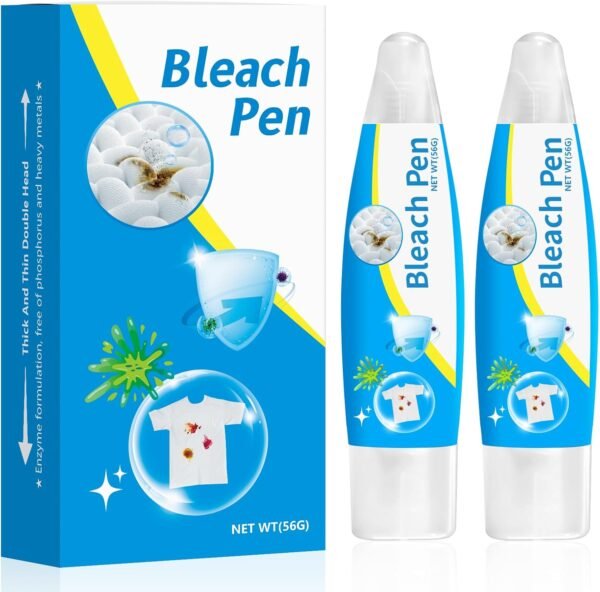
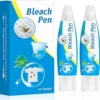
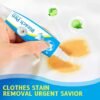
HJFCY sells this as a two pack of bleach pens: a gel bleach in a pen body with a brush head, pressed to release product directly onto a stain. The format exists because pouring liquid bleach onto a garment is a blunt instrument, and a pen puts a controlled amount exactly where the mark is without wetting the surrounding fabric.
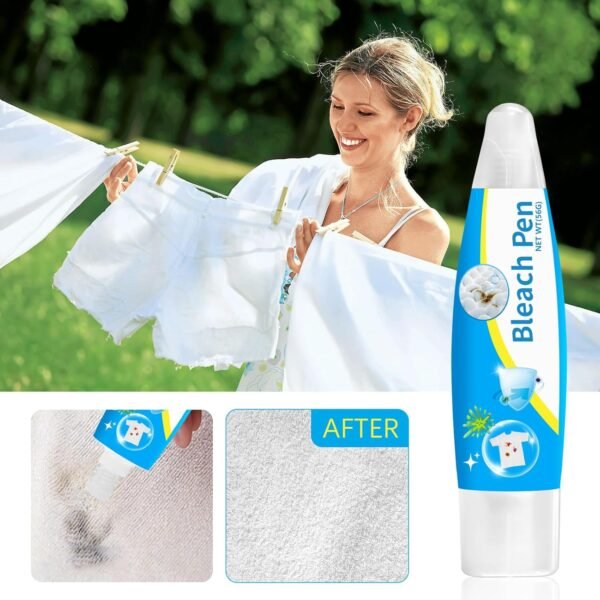
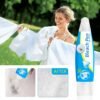
The listing is unusually direct about the limit, and it is the whole story of the product. The fourth bullet states plainly that the product contains bleaching ingredients, is recommended for use on white clothes, and will bleach colored clothes. That is not a caution buried in small print; it is the defining property. A bleach pen is for white cotton shirts, white bed linen, white sports socks and the white parts of a garment. Everything else is a risk, and on a colored item the risk is a permanent pale mark rather than a stain.
What the listing publishes, and the one gap that matters most
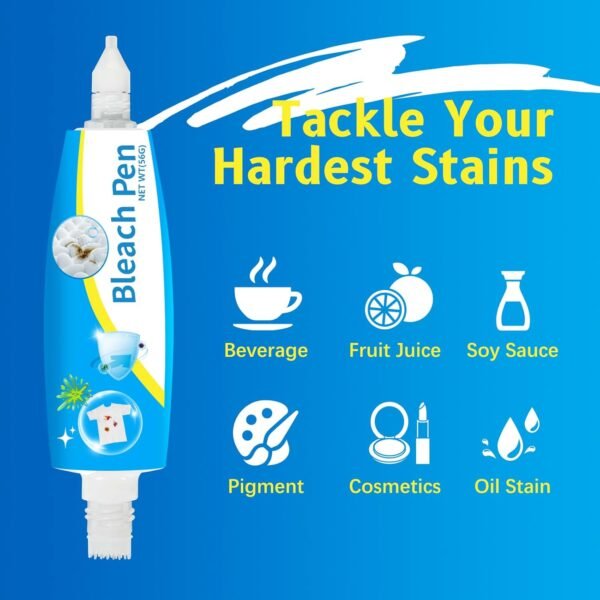
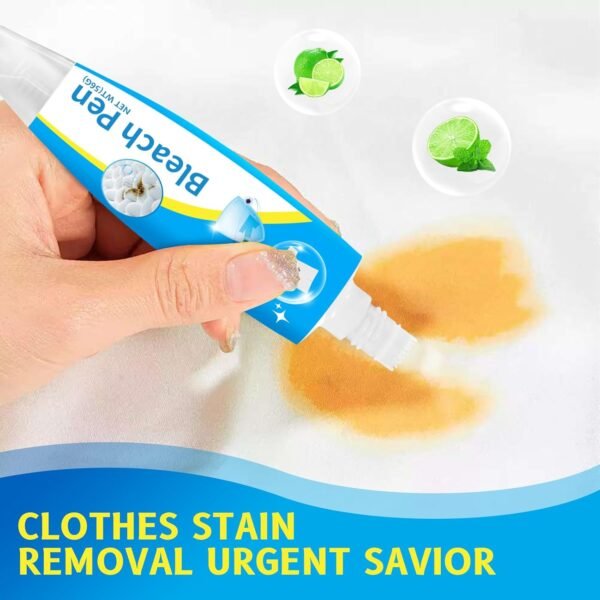
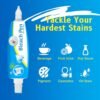
The stains named are food, cosmetics, beverages including coffee, tea, wine, milk and cola, ketchup and oil. The method is published clearly: press the tip of the pen to release an appropriate amount of solution, gently brush the head over the stain, wait 30 minutes, then rinse off. A stated dwell time is rare in this catalog and it is the single most useful line on the page, because bleaching chemistry needs contact time and a 30 second dab does very little.
Chlorine or oxygen, and why the answer changes the safety rules
What the listing never says is which bleach this is. There is no ingredient list, no active and no concentration. That distinction is not academic. A chlorine bleach based on sodium hypochlorite is highly reactive, must never be combined with an acid or with ammonia, and destroys protein fibers such as wool and silk on contact. An oxygen bleach based on hydrogen peroxide or sodium percarbonate is far milder, works more slowly, and is safe on a wider range of fabrics.
Because the page does not say, treat this as a chlorine bleach and follow the strictest rules. Read the printed label on the pen when it arrives, because that is where the active ingredient and the first aid information will be. If you specifically want the gentler route, an oxygen based product such as the sodium percarbonate stain remover or the Bissell Oxy stain remover is the category to shop from instead.
Fabrics: the exclusions are published and they are important
The fifth bullet is a genuine fabric guide and deserves repeating. Bleaching applies only to the white part of a garment. The product is stated as not suitable for sweaters, silk, mohair, leather or faded clothing. Do a small area fading test before use, and if the color does not change, proceed with the directions. For hidden seams, use a small amount, rinse and dry.
Those exclusions line up with what chlorine bleach does to protein fibers. Wool, mohair, silk and other animal fibers are broken down by hypochlorite, which yellows and weakens them permanently, so a bleach pen on a wool sweater damages the garment rather than the stain. Leather is a similar case. Faded clothing is excluded because a garment whose dye has already shifted will bleach unevenly and show the treated patch.
Two more that the listing does not mention. Elastane and spandex blends, which are in most modern stretch fabrics, are degraded by chlorine bleach and will go slack at the treated spot. And flame resistant children’s sleepwear should not be bleached at all unless the garment maker permits it, since bleaching can affect the finish. For dye transfer rather than a stain, no bleach helps and a dye trapping product such as the Haggin color keeper sheets is the answer, and for colored garments generally a conventional pretreat such as the Vanish pre treat stain remover is what to reach for.
Handling bleach in a pen, and the rules that do not bend
Work in a ventilated room. Wear gloves if you are treating several items, keep the gel off skin and out of eyes, and rinse immediately if it makes contact. Lay the garment flat on a surface you do not mind bleaching, with a barrier underneath, because gel soaks through to whatever is below. Do not treat a garment you are wearing.
The mixing rule is absolute. Never combine this with an ammonia based cleaner, with a vinegar or acidic product, with a toilet bowl cleaner or with any other laundry or household chemical. Chlorine bleach plus ammonia produces chloramine vapor and chlorine bleach plus acid produces chlorine gas, and both have injured people doing ordinary household cleaning. Do not use the pen on a garment that has just been treated with something else, and rinse thoroughly at 30 minutes before the item goes into a wash with detergent. Do not put a bleach treated item into a load running a vinegar based or otherwise acidic detergent without rinsing first.
Store both pens capped, upright, out of reach of children and pets, away from other cleaning products, and out of heat and sunlight. A pen shaped object containing bleach is exactly the sort of thing a child picks up, and it does not look like a hazardous chemical. Do not decant the gel.
Cost, and where a pen makes sense
A two pack of pens covers a lot of spot treatments because the dose is small by design, and the format’s value is convenience rather than volume: a pen lives in a bag or a desk drawer and gets to a stain within minutes of it happening, which matters far more for coffee and wine than any formula difference. For whole loads, a bottle of laundry bleach costs a fraction as much per treatment and this format makes no sense at all.
The other products in this catalog covering related ground are the Dreft baby stain remover for a non bleach pretreat and the wider stain removers shelf; the bleach specific products sit under bleach.
Two contradictions in the record should be named. The product title promises to remove new stains without delay, which contradicts the 30 minute dwell time the bullets publish; the dwell time is the one to follow. And the first bullet claims the pen effectively removes all kinds of stains, which cannot be squared with the same listing’s own list of fabrics it must not touch. The pack weighs 5.61 ounces for two pens, no volume per pen is given, and the item currently ranks 29th in the retailer’s laundry bleach chart.
Who should buy this pair
Buy it if you own white shirts, linen or sports kit and want a controlled way to treat coffee, wine and food marks, and you will follow the 30 minute dwell and rinse. Do not buy it for colored, wool, silk, mohair or leather items, which the listing itself excludes, and read the pen’s own label for the active ingredient before you use it near anything else.