Description
An automatic dishwasher gel, and one dangerous piece of wording
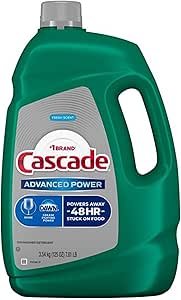
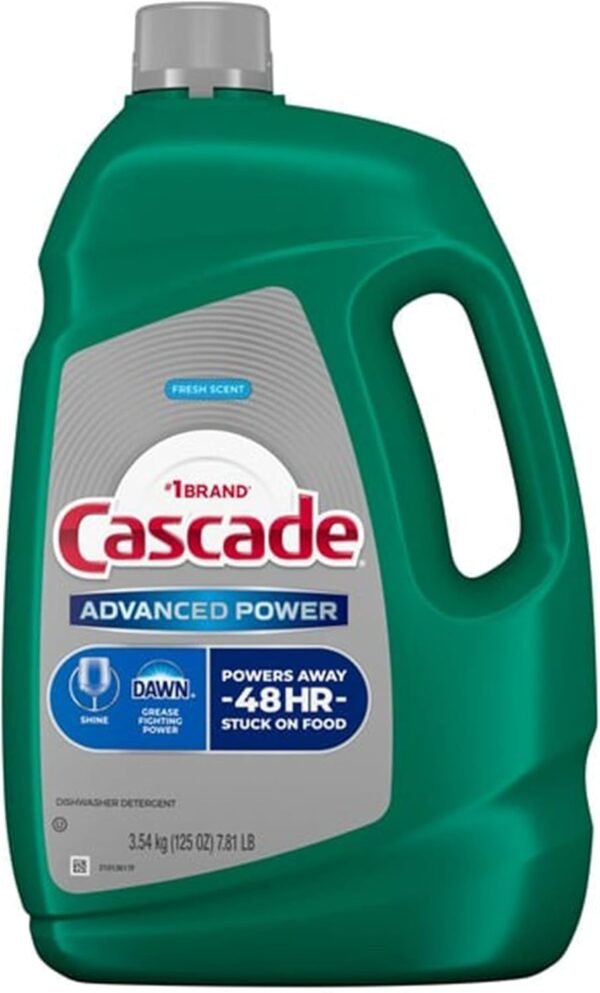
Cascade Advanced Power is a liquid automatic dishwasher detergent from Procter and Gamble, sold here as a 125 ounce plastic bottle in a fresh scent, model 037000174073. It sits below Cascade Complete in the range and is positioned on stuck on food and grease.
Before anything else, one thing on this listing needs correcting rather than repeating. The copy refers to the product as “this dish soap” and as “liquid dish soap” in more than one bullet. It is not dish soap. Dish soap is the hand washing liquid you use at a sink, and putting hand dish soap into an automatic dishwasher produces a kitchen floor covered in foam, because hand soap is designed to make suds and automatic detergent is designed not to. The two products are not interchangeable in either direction, and a listing that blurs them is a genuine hazard to anyone shopping quickly. If you want hand dish soap, that is a different product entirely and the Dawn Ultra dish soap is an example of it. This bottle goes in the machine.
With that established, the format question is the usual one. A gel lets you vary the dose for a light or heavy load and lets you prime the prewash cup, which a unit dose pac cannot do. It also dissolves reliably in short and cold cycles where pac film sometimes does not. The costs are measuring, drips and a sticky cap.
What Procter and Gamble claims, and how much of it can be checked
The listing makes four performance claims and each needs reading with its qualifier attached. It states three times the cleaning power, without saying three times what, so there is no baseline and the figure cannot be evaluated. It states the formula breaks down forty eight hour stuck on food, which is a specific and testable sounding claim with no test method published. It states the gel is powered by Dawn’s grease fighting formula, which borrows the identity of the company’s hand dish soap brand without naming a single ingredient. And it states you can save up to fifteen gallons of water per load by skipping the pre rinse, which is a claim about your behavior rather than about the detergent: the water is saved because you stop running the tap, not because the gel does anything to the machine’s water use.
The listing also calls Cascade the leading recommended dishwasher detergent in North America. On the sibling Cascade listing in this catalog that claim is footnoted as arising from co-marketing agreements with appliance makers, and that footnote does not appear here. It is a commercial arrangement rather than an independent engineering assessment either way.
The environmental wording is unsupported
One line of the description describes this as the easy, eco friendly way to get dishes done. Nothing on the listing supports that. There is no ingredient list, no certification cited, no biodegradability standard referenced and no environmental data of any kind. Eco friendly used this way is exactly the sort of unqualified environmental claim that federal advertising guidance warns against, and a shopper should treat it as advertising copy rather than information. Amazon ranked this bottle seventy fifth in Dishwasher Detergent when the data was captured.
Loading, hardness and what to keep out of the machine
Gel goes into the main detergent cup with the latch closed. For heavily soiled loads a small amount can be smeared into the prewash recess, which is the one real advantage the format has over a pac. Scrape solids into the bin before loading, but there is generally no need to rinse plates under a tap, and skipping that rinse is where the water saving in the listing actually comes from.
The listing gives no guidance on water hardness, which is the largest single variable in dishwasher performance. In hard water areas a gel can leave a chalky film on glassware, and the fix is a hard water specific detergent or dishwasher salt rather than more gel. If your glasses are cloudy rather than dirty, more detergent will not help.
Keep aluminum pans, anodized cookware and cast iron out of the machine, because alkaline detergent dulls and pits aluminum and strips iron seasoning. Crystal etches permanently in an alkaline wash and cannot be restored. Hand painted china, gold rims, wooden handles and glued joints should be washed by hand.
Dosing, storage and the safety points
Use the dose the cap markings indicate and no more. Overdosing is the most common cause of white film on glasses and of a detergent smell on dry dishes, and it wastes money for a worse result. Wipe the cap and the bottle neck after pouring, since dried gel makes the cap stick and then people force it.
Treat this as a household chemical rather than a soap. Automatic dishwasher detergent is alkaline and is a frequent cause of pediatric exposure calls in the United States, precisely because a bottle under the sink looks harmless. Store it closed, upright, out of reach of children and ideally behind a latch. Wipe spills off the floor immediately, since gel is slippery. Avoid skin and eye contact, wash hands after loading, and if gel reaches an eye, rinse thoroughly with water and seek medical advice.
Never combine it with another cleaning product. Do not add chlorine bleach to a machine that has been run with an acidic descaler, do not tip a drain product into a dishwasher drain line, and do not mix detergents in the cup. Bleach with acid produces chlorine gas and bleach with ammonia produces chloramine, and a sealed appliance is a bad place to generate either.
Cost per load and the alternatives
The cost structure of a gel depends entirely on how carefully you dose. A 125 ounce bottle yields a variable number of loads, so a disciplined user gets more washes per bottle than the equivalent pac pack and a careless one gets fewer. That flexibility is the argument for gel and the risk of gel in the same sentence.
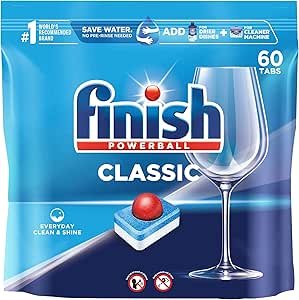
Within the same brand, the Cascade Complete gel is the direct step up, and the Cascade Platinum pacs are the unit dose comparison if measuring is the part you dislike. Outside it, the Finish Classic tablets occupy the mainstream tablet slot. The full dishwasher detergent listings allow a format by format comparison, and the dish soap listings are where to go if what you actually want is a hand washing liquid.
Who should buy this and who should not
Buy it if you want a large bottle of mainstream automatic dishwasher gel, you run a mix of light and heavy loads, and you want the option to prime the prewash cup. It is a sensible, widely available default.
Do not buy it if you would rather not measure, in which case a pac removes the decision. Do not buy it expecting the three times or forty eight hour claims to be backed by published testing, because they are not. And do not confuse it with hand dish soap, however the listing copy is worded.