Description
An unscented concentrate, and what the numbers mean
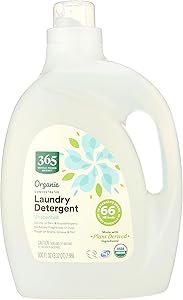
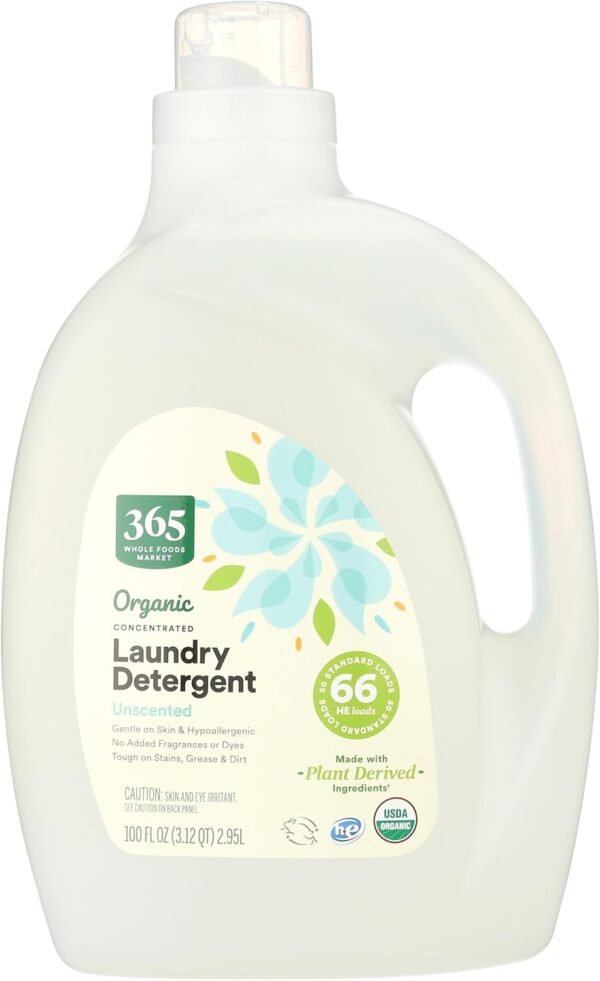
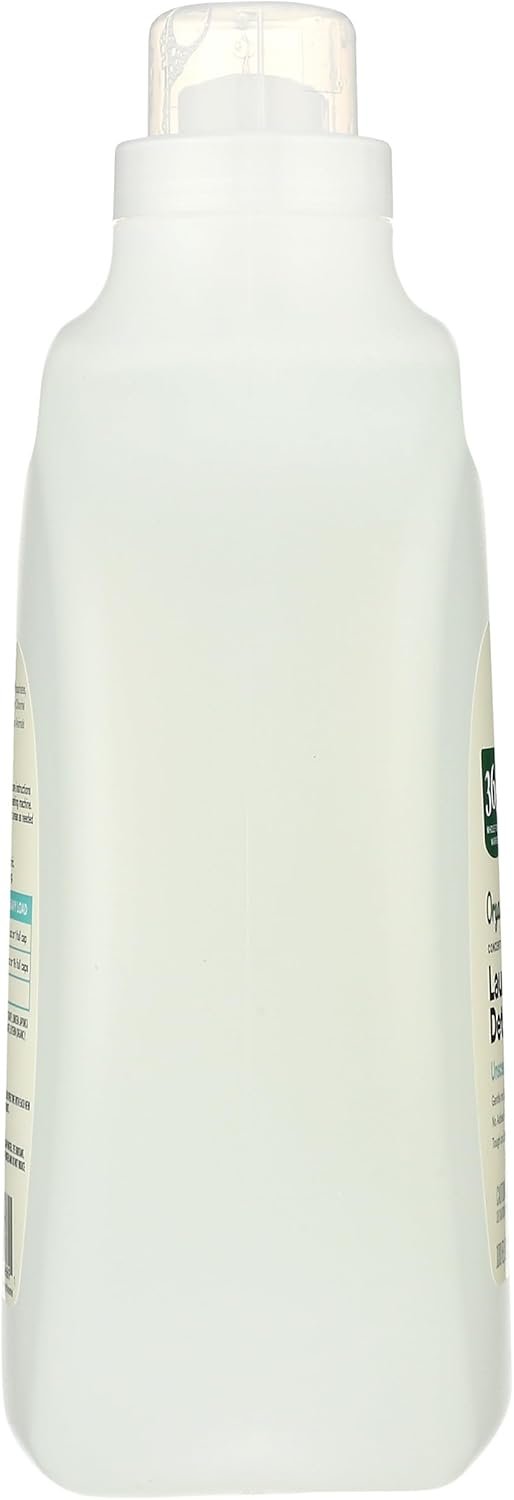
365 by Whole Foods Market Organic Concentrated Laundry Detergent is sold as a 100 fluid ounce bottle, unscented, rated at sixty six high efficiency loads. That works out to about one and a half fluid ounces per load, which is the dose the loads figure assumes and the dose worth measuring to.
Two features define this product. It is concentrated, so a smaller volume of liquid does the work of a larger bottle of a dilute detergent, which reduces both the shelf space and the shipping weight per load. And it is unscented, which in laundry is a genuinely differentiating feature rather than an absence: fragrance is the single most common reason people react to a detergent, and it is also what lingers in bedding and towels for days.
The listing states the detergent is safe for all washing machines and makes sixty six HE loads, which resolves the compatibility question that many detergent listings leave open. For anyone with a front loader, that explicit statement is worth having.
The standards behind the label, stated more openly than usual
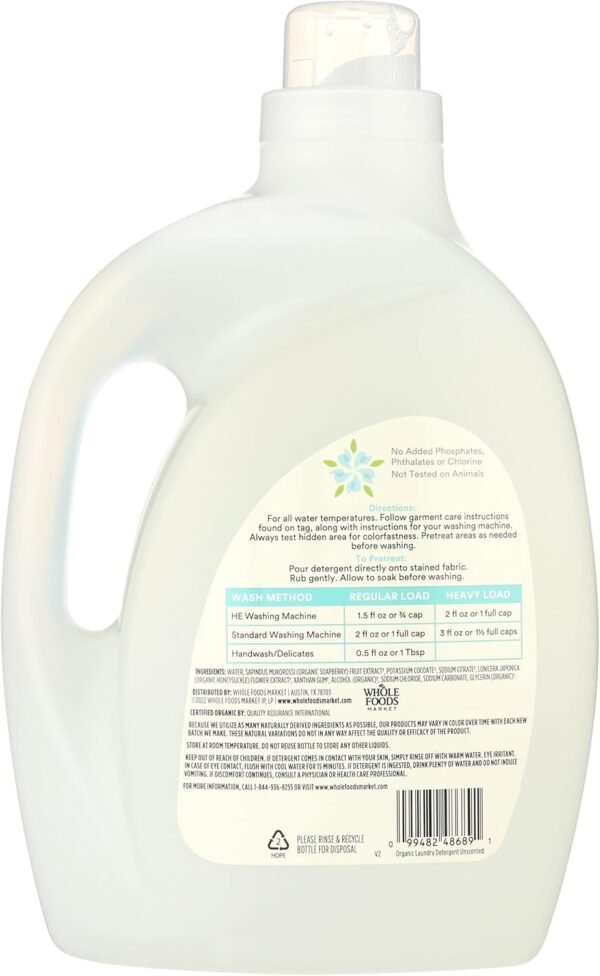
The description explains the retailer’s own household cleaning standards, and it is more informative than most brand copy. Whole Foods Market states that its standards ban more than one hundred and forty ingredients, naming phosphates, phthalates, FD and C colors and optical brighteners specifically. It states that products are performance tested for efficacy, and, notably, that ingredients are always listed on the label, with the exception of proprietary fragrance and enzyme blends.
That last sentence is the most useful disclosure in the whole listing, and it cuts both ways. Committing to a full ingredient list on the pack is more than almost any product in this catalog offers. Carving out fragrance and enzyme blends as proprietary is the standard industry exception, and it means that a person trying to identify a specific enzyme or fragrance component still cannot do so from the label. For an unscented product the fragrance exception matters less, though unscented and fragrance free are not always the same thing in practice, and the label is the place to check.
The word organic appears in the product name. In cleaning products that term does not carry the same regulatory weight it does in food, and this listing cites no organic certification, no certifying body and no percentage of certified organic content. Treat it as a brand name rather than as a verified attribute unless the bottle carries a certification mark.
The efficacy sentence needs reading closely
The description says products are performance tested for efficacy, specifically the ability to remove dirt and germs from surfaces. That sentence is written for the retailer’s whole household cleaning range, which includes surface sprays, and it should not be read as a sanitizing or disinfection claim for this laundry detergent. Nothing on this listing names an organism, states a percentage kill, gives a wash temperature, or carries an EPA registration number, and no laundry detergent should be relied on to sanitize laundry unless it is specifically labeled as a laundry sanitizer with a registered claim. If sanitizing laundry is the goal, that is a different product with a label to follow.
Fabrics, dosing and machines
A general purpose liquid suits everyday cotton, polyester and blended laundry. It is not a delicates detergent, so wool and silk want a product formulated for protein fibers. It is not a stain treatment either: a set stain needs pre treatment before the wash, and adding more detergent to the drum does not substitute.
The concentrate point deserves emphasis because people get it wrong in a predictable way. A concentrated detergent looks like less liquid, so the instinct is to pour more. Doing that wastes product, leaves residue in fabric, and in a front loader contributes to the sour smell that builds in the door seal. Measure to the cap line, and if anything, dose under rather than over for lightly soiled loads.
Unscented detergent also changes what you notice. Without fragrance masking, laundry that is not fully rinsed smells like laundry that is not fully rinsed, which is useful information rather than a fault. If clothes smell stale after washing, the usual causes are overloading, too much detergent and a machine that needs a hot maintenance cycle.
Storage and safety
Store the bottle capped, upright, out of reach of children, and wipe the cap after pouring. Liquid laundry detergent is a common source of pediatric exposure calls in the United States, and a bottle kept at floor level in a laundry room is exactly the wrong storage. Do not decant into an unlabeled container and never into a drink bottle.
Avoid skin and eye contact when pouring, wash hands afterward, and if detergent reaches an eye, rinse thoroughly with water and seek medical advice.
Never combine it with another product in the same dispenser compartment. Do not add chlorine bleach to a detergent drawer, and never mix bleach with an ammonia based cleaner or an acidic product anywhere in the house, since those combinations produce toxic gases. If you use bleach, add it separately in the compartment the machine provides.
Cost per load and the alternatives
Sixty six loads from one hundred ounces is the comparison figure, and a store brand concentrate generally lands in the middle of the market: cheaper than a premium branded detergent with the same formulation exclusions, more expensive than a mainstream value detergent such as the Purex liquid detergent, which offers many more loads per bottle at the cost of fragrance and a different formulation approach.
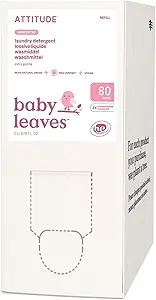
If the unscented, sensitive skin positioning is what you are buying, the direct comparisons in this catalog are the All Free Clear liquid detergent and the Attitude baby laundry detergent, and for a plant based positioning the ECOS laundry detergent sits in similar territory. The full liquid detergent listings and the powder detergent listings let you compare loads per pack, which is the only number that makes detergents comparable. Amazon ranked this bottle one hundred and eighty fifth in Liquid Laundry Detergent when the data was captured.
Who should buy this and who should not
Buy it if you want an unscented concentrated detergent, you value the retailer’s published ingredient standards and its commitment to listing ingredients on the pack, and you are willing to measure to the cap line. Sixty six loads at one and a half ounces is a reasonable, honest bottle.
Do not buy it expecting the word organic to carry a certification, since none is cited. Do not read the germ removal sentence as a laundry sanitizing claim, because it describes the retailer’s wider cleaning range. And do not buy it for wool, silk or heavily set stains, which need products built for those jobs.