Description
A bird food product, and an honest word about where it sits
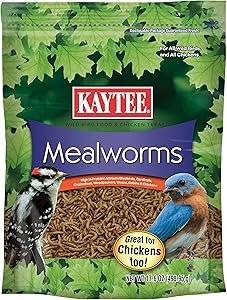
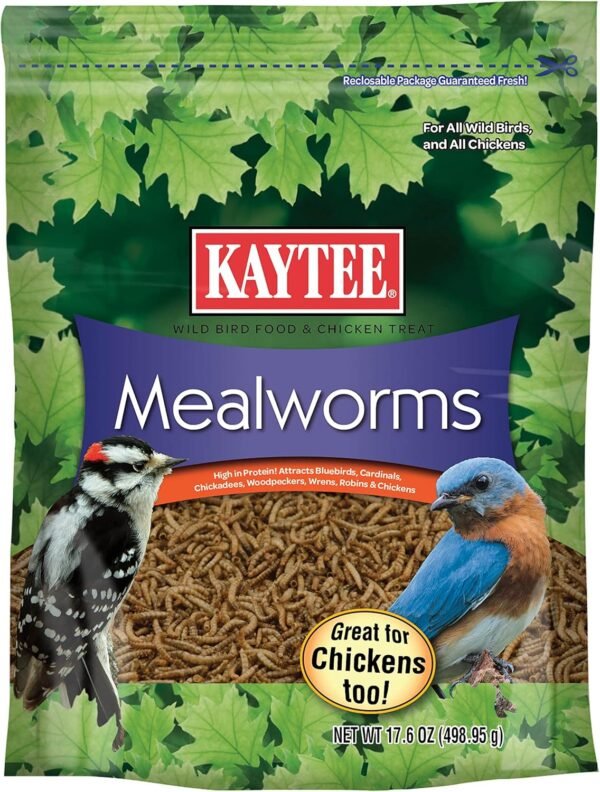
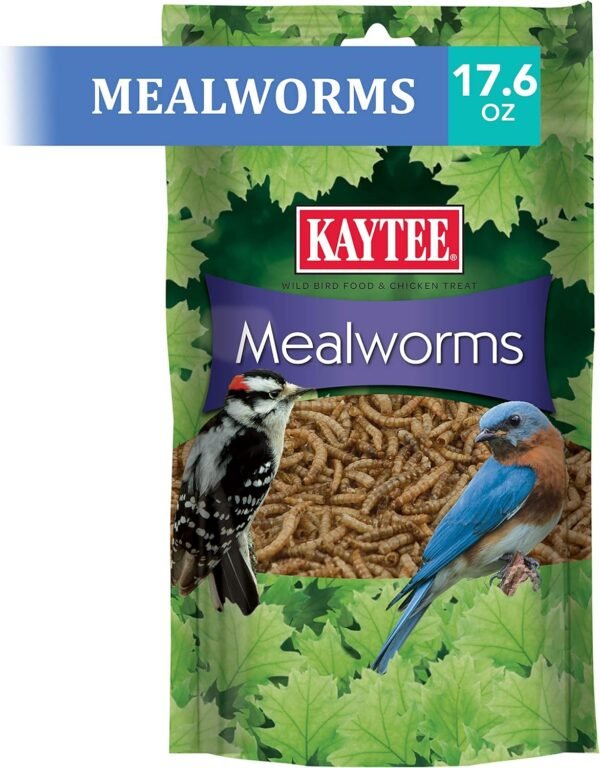
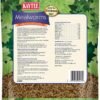
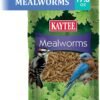
Kaytee Wild Bird Food Mealworms is a 17.6 ounce pouch of oven dried mealworms sold as a high protein wild bird treat, model 100508146, made by Central Garden and Pet. It is a garden and wildlife product, and it is worth being straightforward at the top: it is not a cleaning product, and on this site it currently appears under Toilet Paper.
That is not a small filing quirk. The Amazon category path recorded for this listing runs through Tissues, Toilet Paper and Sprays to Toilet Paper, so the error came in with the source data rather than being introduced here. Nothing in the pouch has anything to do with paper products. Anyone who arrives at this page expecting toilet paper should look at the toilet paper listings, where products such as the Scott ComfortPlus toilet paper actually live.
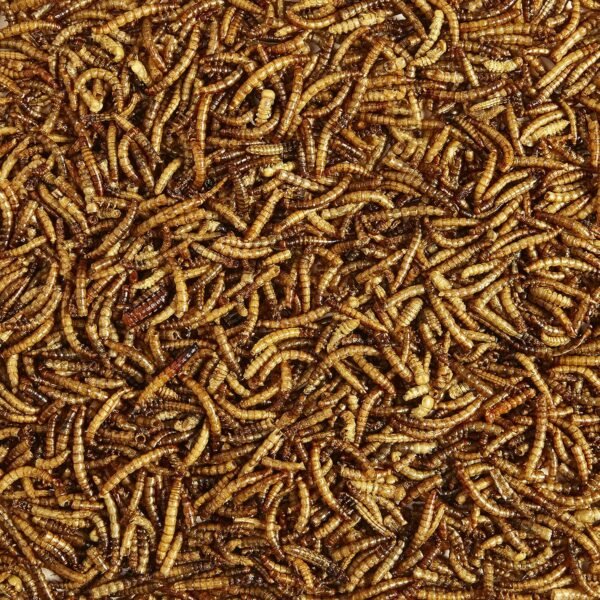
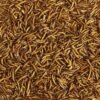
With that said, the product itself is straightforward and Kaytee describes it clearly. Dried mealworms are the larval stage of the darkling beetle, oven dried and sold loose. They are fed to garden birds either alone in a feeder or mixed into seed, and Kaytee names bluebirds, wrens, robins, chickadees, woodpeckers and cardinals as the species that take them, on the reasonable basis that insect eating birds are the ones a plain seed mix does not attract.
What the listing says, and one internal contradiction
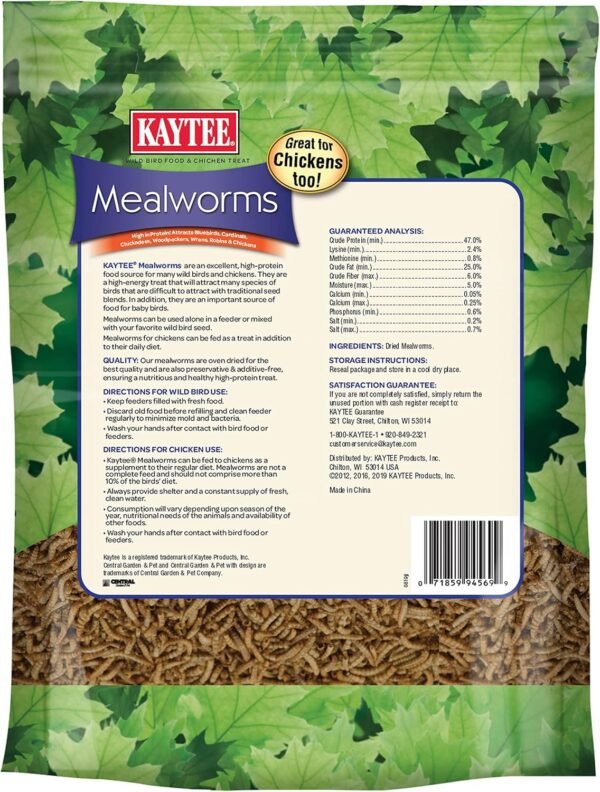
Kaytee states that dried mealworms have the nutritional value of live mealworms and are more convenient to feed, that they are a high energy protein source, and that they are an important source of food for baby birds. Those are the manufacturer’s statements about a feed product and this review repeats them as such.
There is a contradiction on the page worth naming. The product title includes chickens in the list of birds the product is for. One of the feature bullets states plainly that the product is intended for wild bird usage. Wild bird food and feed for a food producing animal such as a backyard laying hen are treated very differently, and a buyer keeping chickens should not rely on a product title over a bullet that restricts the intended use. If you keep poultry, check the pouch and check what your state permits before feeding anything not labeled as poultry feed.
The specification block is also inconsistent, in the way much of the import data on this catalog is. The style field reads 17.6 ounce, the size field reads 1.1 pound, and the item weight reads 1.08 pounds, which are all roughly the same number expressed three ways. Two separate dimension fields disagree, giving 12.36 by 9.33 by 3.19 inches in one and 3.3 by 9.8 by 14.2 inches in another. The department field reads Unisex-Adult and the breed recommendation field reads Small Breeds, both of which are metadata written for other product types.
Storage, which the listing handles well
The directions field is genuinely useful. Kaytee instructs the buyer to reseal the package and store it in a cool dry place, preferably in a sealed container, and states that this protects against the insect infestation that can naturally occur with any whole grain seed product. It also says to keep feeders filled with fresh food and to discard old food before refilling.
Take that seriously. A pouch of dried insects left open in a garage or a shed is an invitation to pantry moths and beetles, and an infestation that starts in bird food spreads to stored dry goods. Use a sealed rigid container, keep it off the floor, and do not decant into an open tub.
The cleaning angle, which is where this site can actually help
If there is a reason for a household cleaning catalog to carry a bird food product, it is this: feeding birds creates cleaning work, and doing it badly creates problems.
Bird feeders need regular cleaning. Damp, mouldy or old food in a feeder is a genuine hazard to the birds you are trying to help, and public health authorities periodically issue guidance about feeder hygiene during disease outbreaks in wild bird populations. The practical routine is to empty the feeder, scrub it, clean it, rinse it thoroughly with water and let it dry completely before refilling. If you use a cleaning product on a feeder, rinse it far more thoroughly than you would a kitchen surface, and never leave residue where birds will feed. Products in the all purpose cleaner listings, or a dedicated disinfectant such as the Clorox disinfecting all purpose cleaner, need a full water rinse and complete drying in that application. Wear gloves when cleaning a feeder and wash your hands afterward.
Spilled food under a feeder is the other issue. Dried mealworms and seed on the ground attract rodents, and a bird feeder is one of the commonest reasons a garden develops a mouse problem. Sweep underneath regularly, use a tray, and if rodents do appear, the honest answer is exclusion and sealing entry points rather than a spray, though repellents such as the Mighty Mint peppermint repellent get used for this. Never apply any cleaning chemical, repellent or pesticide to a feeder itself or to food.
Keep the pouch away from pets. Dogs will eat dried mealworms enthusiastically and a large quantity is a stomach upset waiting to happen. Store it out of reach along with the general cleaning supplies, and never store it where a leaking cleaning product could contaminate it, since cleaning chemicals and animal feed should never share a shelf. On that point, never combine cleaning products anywhere, and never use one near open feed.
Quantity, and who this suits
At 17.6 ounces this is a modest pouch by the standards of the wild bird market, where mealworms are commonly sold in several pound tubs. Dried mealworms are also expensive per pound compared with seed, which is why most people offer them as a supplement in a small dish rather than as the main feeder filling. Mixing them into a seed blend, which Kaytee suggests, is the usual way to make a pouch last.
Kaytee includes a satisfaction guarantee with a return address in Chilton, Wisconsin, which is unusual to see stated on a listing and worth knowing about.
Who should buy this and who should not
Buy it if you feed garden birds and want to attract insect eating species that ignore a plain seed mix, and you have a sealed container to store it in. As a small pouch it is a sensible way to try mealworms before committing to a tub.
Do not buy it expecting a household cleaning product, whatever category it appears under here. Do not feed it to chickens on the strength of the title alone, since the listing separately restricts it to wild bird use. And do not leave it stored loosely, because dried insect and grain products attract pantry pests.