


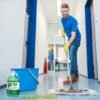
Description
Four gallons of concentrate, and what neutral pH buys you
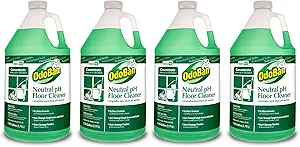
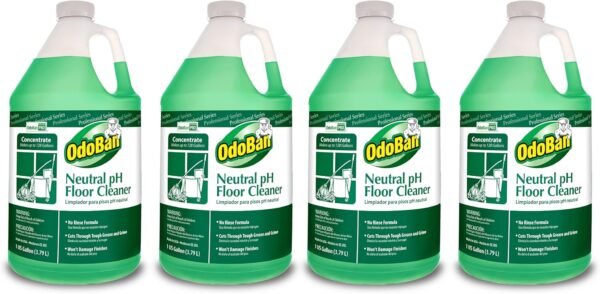
OdoBan Professional Series Neutral pH No Rinse Floor Cleaner is sold here as four gallons of concentrate, model number 936162-G, made in the United States. The listing carries 243 ratings at 4.6 stars and places the product 21,118th in Health and Household and 88th among household floor cleaners.
The specification that matters is in the name. Neutral pH means the solution is neither alkaline nor acidic in use, and on floors that is the whole argument. Most finished floors, urethane sealed hardwood, laminate, vinyl and waxed surfaces, are protected by a coating rather than by the material underneath. An alkaline cleaner slowly dulls and softens that coating and eventually strips wax. An acid etches stone and attacks grout. A neutral cleaner lifts soil without working on the finish, which is why commercial cleaning specifications call for one on maintained floors.
No rinse is the second half of the proposition. A cleaner that leaves no film does not need a second pass with clean water, which halves the work on a large floor. That claim is only as good as the dilution: over concentrate it and you will get residue whatever the label says.
The dilution figure, and the instruction that is missing
The listing says each gallon of concentrate makes up to 128 gallons of cleaning solution, and that four gallons therefore make up to 512 gallons. That is a ratio of one to 128, which is roughly one ounce of concentrate to a gallon of water, and it explains why a four gallon case is a serious quantity rather than an extravagance.
The problem is the words up to. A maximum dilution is not a dilution chart. The directions say to dilute as needed, mop with a clean, lint free damp mop, and reapply for deep soil or “increase dilution ratio as needed for extreme cleaning”. That last phrase is ambiguous in exactly the wrong direction: increasing a dilution ratio normally means adding more water, which is the opposite of what heavy soil needs. Nowhere does the listing give a light soil ratio, a heavy soil ratio, or a figure for an automatic scrubber, which it also mentions as an application method.
Without a chart, start weak and work up. One ounce to a gallon is where the maximum figure points, and doubling that for heavy traffic is a reasonable next step. Mix only what you will use in a session, and label the bucket.
What the manufacturer says is in it
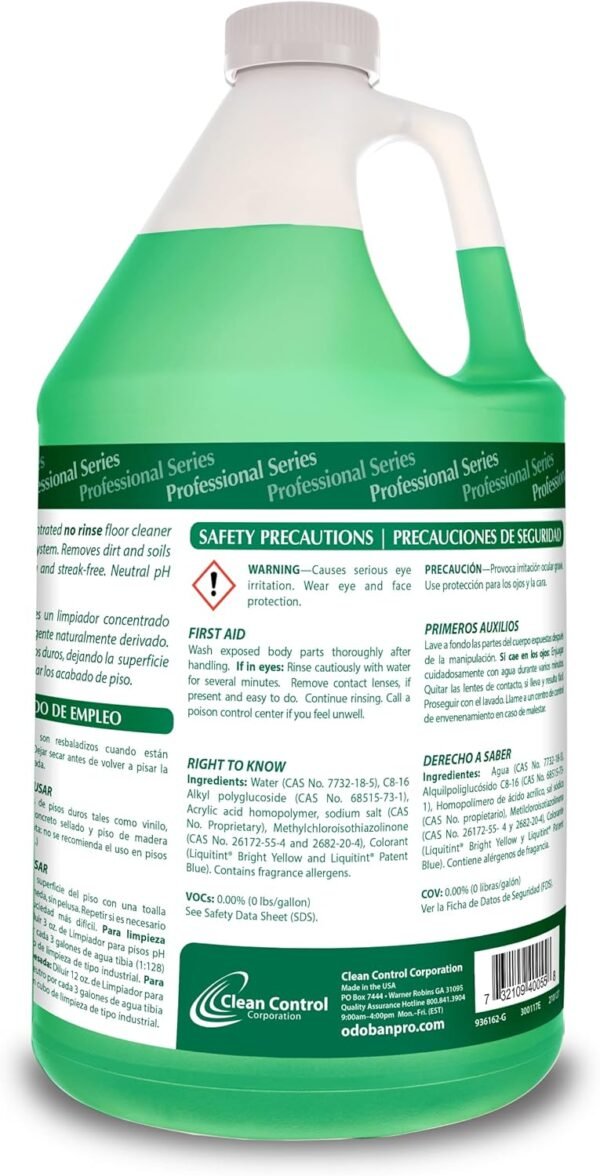
OdoBan describes a naturally derived surfactant system that cleans without potentially harmful chemicals. No surfactant is named, no percentage is given, and no pH figure appears despite neutral pH being the product’s defining property. Naturally derived and free of harmful chemicals are the manufacturer’s wording rather than defined terms, and the FTC Green Guides expect claims of that kind to be substantiated. Read the drum.
Surfaces, and the exclusions the listing does state
Credit where it is due. This listing publishes real exclusions, which most floor cleaner pages do not.
OdoBan names sealed woods, laminates, tile, asphalt tile, rubber and sealed concrete, and adds toilets, sinks, glass and countertops as other surfaces. It then says the product is not recommended for unfinished wood or oiled wood in the description, and not recommended for marble floors in a feature bullet.
Those exclusions make sense and should be respected. Unfinished and oiled wood absorbs water based cleaner unevenly, raises grain and can go patchy, and oiled floors have their own maintenance products. Marble is calcium based and, even at neutral pH, a wet cleaner used repeatedly on polished marble can dull it, which is why stone specific products exist. Two more the listing does not name deserve the same caution: unsealed grout, which stays porous and absorbs whatever is mopped over it, and any floor still under a manufacturer warranty that specifies an approved cleaner.
The one word to check on your own floor is sealed. A hardwood floor with a worn or damaged finish is effectively unfinished in the worn patches, and water will find them.
Correct use, and the safety points
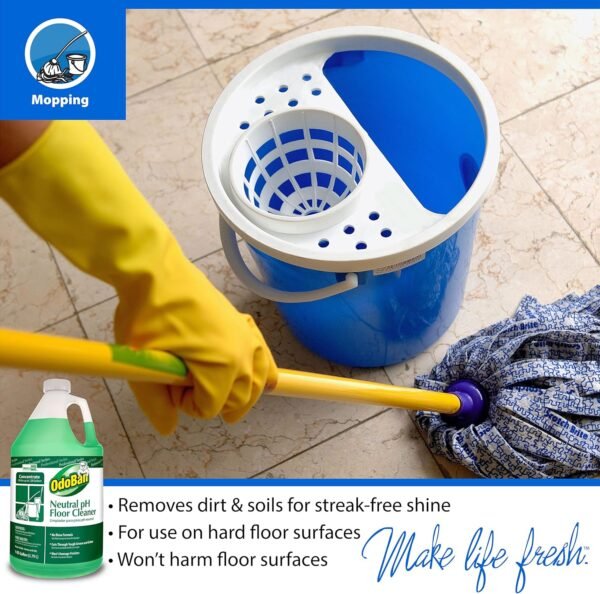
Sweep or vacuum first. A mop drags grit across a finish and grit is what scratches floors, not cleaner. Use a damp mop rather than a wet one, wring it properly, and change the water when it goes gray, because mopping with dirty water spreads soil rather than removing it.
On safety, even a neutral pH product is a concentrate before it is diluted, and concentrates are eye irritants. Wear gloves and eye protection when decanting from a gallon jug, and do not lift a full four gallon case over a bucket. Never mix it with another cleaning product in a bucket, and never combine chlorine bleach with an ammonia based cleaner anywhere in the house.
Put out a wet floor sign or keep people off until the floor is dry, because a freshly mopped hard floor is genuinely slippery and that is the most likely injury this product will ever cause. Store the containers upright, capped, out of reach of children, and away from freezing temperatures, which can separate a water based concentrate.
Two specification oddities are worth naming. Item Weight reads 20 pounds for four gallons, and four gallons of a water based liquid weighs considerably more than that, so the figure is unreliable. And the Mildewresistant field contains the words Lint Free, which is a data import artifact that appears in different garbled forms across several listings in this catalog.
Cost per gallon of solution, and the alternatives
This is where a concentrate wins outright. At the stated maximum dilution, four gallons of product make up to 512 gallons of working solution, and the cost per bucket becomes very small. You also stop shipping and storing water. The trade is space, weight and the need to mix accurately, and the risk is that a household buys a commercial quantity it will still be using in ten years.
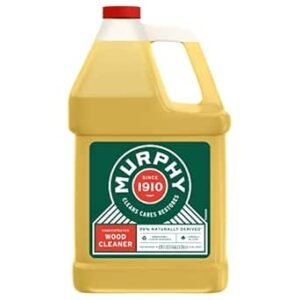
For a home sized purchase, ready to use options make more sense. The Armstrong Once n Done floor cleaner and the Better Life floor cleaner are the everyday comparisons, and the Weiman hardwood cleaner is aimed specifically at finished wood. For oiled and soap finished floors that this product excludes, the Murphy oil soap is the traditional route. Applying any of them is easier with a proper tool, which is what the wet and dry mops section covers, and the wider aisle sits under floor cleaners.
Who should buy it and who should not
Buy it if you maintain a lot of hard floor, a business, a rental portfolio, a large house, and you want a neutral pH concentrate that will not attack finishes. The exclusions are stated, the dilution economics are strong and the no rinse property saves real time.
Do not buy it for unfinished wood, oiled wood or marble, which the manufacturer excludes. Do not buy four gallons for an apartment. And do not expect a dilution chart from this page, because the only figure given is a maximum with the words up to in front of it.