Description
The job this small bottle is built for
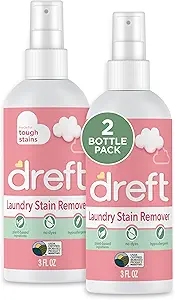
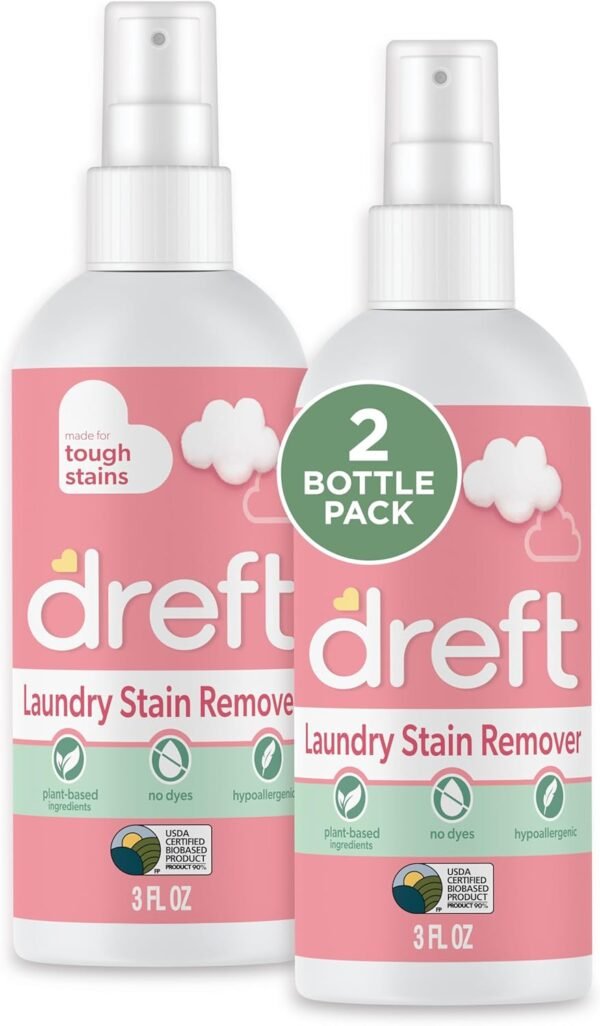
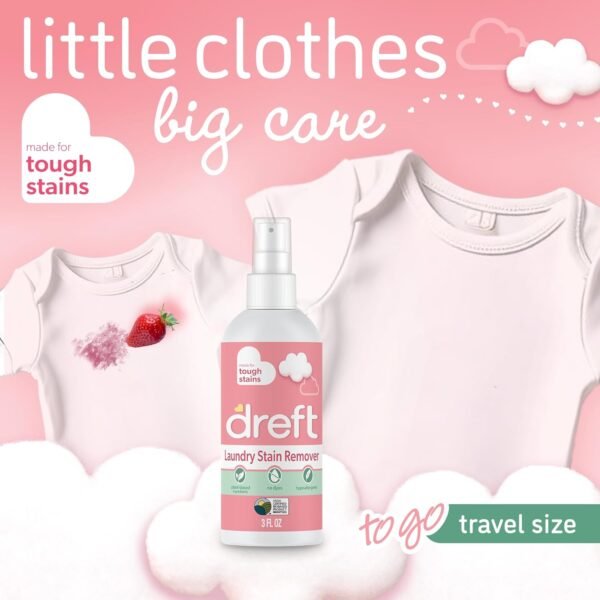
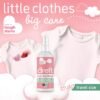
Dreft Laundry Stain Remover is a pretreat spray sold as two 3 fluid ounce bottles, aimed at the soils that arrive with a baby. The listing names formula, spit up, food, urine and diarrhea as the stains the formula is built against, which describes the intended household more precisely than any marketing line does. This is not a detergent and it is not a soak. It is a spot treatment you apply to fabric before the garment goes into the wash, and it earns its place where the same bib, sleeper or crib sheet gets hit two or three times a day.
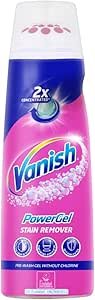
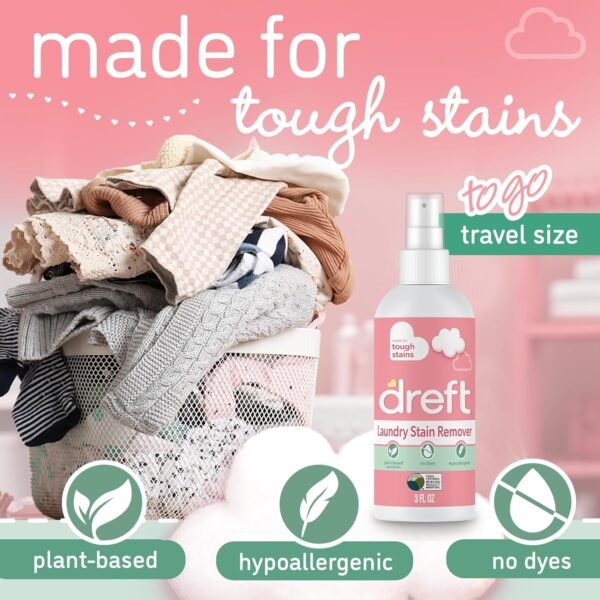
The size is the whole argument. At 3 fluid ounces a bottle, this is a diaper bag format rather than a laundry room format. For a full household of adult clothing the economics are wrong, and a full size pretreat such as the Vanish pre treat stain remover covers far more garments per bottle. What the small bottle buys you is reach: it goes in the bag, so a stain can be wetted down at a grandparent’s house hours before it ever sees a machine, which matters more for protein soils than any formula difference does.
What Dreft publishes about the formula, and what it does not
Very little, is the honest answer. The listing publishes no active ingredient list, no surfactant class, no enzyme names and no pH. What it does publish are absence claims and certifications: the product is described as containing no phosphate, no dyes and no parabens, as dermatologist tested, and as hypoallergenic. Those are the manufacturer’s statements, not findings of ours, and hypoallergenic in particular is a marketing term rather than a regulated one in the United States. Dreft also states the product is made with plant based ingredients and is a USDA Certified Biobased Product. That certification measures the share of the carbon in the product that comes from renewable sources; it is a content certification and it says nothing about toxicity, skin safety or how well anything cleans.
Why the missing ingredient list matters here
Baby stains are mostly protein and fat: milk, formula, spit up, feces. The category standard for that work is an enzyme blend, typically a protease with a lipase or amylase alongside, and enzymes behave very differently from a plain surfactant. They are temperature sensitive, they keep working while the garment sits damp, and they are the reason a manufacturer will tell you to pretreat rather than scrub. Because Dreft does not name what is in this bottle, none of that can be stated about this product specifically. Read the panel on the bottle you receive, because the ingredient statement printed there is the only authoritative source for this item.
Fabrics it is cleared for, and the sleepwear question
The manufacturer states the product is safe for all colorfast fabrics and that it works in all water temperatures. Colorfast is doing real work in that sentence: it excludes anything that bleeds, which in a nursery means hand dyed items, some imported cottons and most bright novelty prints on their first few washes. Test an inside seam before you spray the front of a garment you care about.
The more useful claim is the one about sleepwear. Dreft states that the product does not harm the flame resistance of children’s sleepwear. That is worth knowing because flame resistant sleepwear finishes can be degraded by some laundry products, and a parent who has bought certified sleepwear has a reason to care which bottle touches it. Note that this is the manufacturer’s claim about its own product, not an independent test result, and the listing gives no testing body or standard. The listing is also silent on wool, silk, leather and anything labeled dry clean only, which in practice means those are not covered.
Using it correctly, and storing it where it belongs
The mechanics are simple and the listing does not complicate them: spray the stain and launder. What the listing does not give is a dwell time, and dwell time is where most pretreats are won or lost. There is no published figure here for how long the product should sit before washing, so follow the direction panel on the bottle rather than a number invented by a review. Do not let a sprayed garment dry in sunlight, and do not put a treated item in the dryer before you have checked that the stain is gone, because dryer heat sets what the wash missed.
On safety, treat this like any other household cleaning chemical even though it is sold for baby items. Store it out of reach of children, keep the trigger closed, and do not decant it into another container. Never combine it with a bleach product in the same soak or the same spray bottle, whether that is a chlorine bleach or an oxygen bleach; mixing household cleaning chemicals is a bad habit regardless of what either one contains, and it is worse when one of the two does not publish its ingredients. If you want a bleach step, do it separately with a product built for it, such as a portable bleach pen for white garments, and rinse in between.
What it costs you per stain, and where the money goes further
Six fluid ounces total across two bottles is a small amount of product, and the comparison that matters is against a larger pretreat bottle or against a detergent already formulated for the same soils. If you are washing baby laundry as its own load anyway, a dedicated detergent such as the Dreft newborn liquid detergent is doing much of this work in the drum, and the spray is there for the stains that survive it. For a plant based alternative in the same job, the Attitude laundry stain remover sits in the same part of the shelf and publishes a different set of claims worth comparing. Anyone whose real problem is dye transfer rather than food soil should look instead at dye trapping sheets like the Haggin color keeper sheets, because a stain remover cannot undo a pink load. The full shelf sits in our stain removers category, and the machine side of the same routine is in liquid detergent.
Two contradictions in the listing are worth naming rather than smoothing over. The product dimensions field reads 1.75 by 1.75 by 5.75 inches and 3 ounces, which describes one bottle, while the title sells a pack of two; the packaged item is heavier and larger than the spec field implies. Dreft also markets itself in the bullets as the top pediatrician recommended baby detergent brand, a survey based marketing claim attached to its detergent line rather than to this spray, and no survey, year or sample size is cited. The item currently ranks 142nd in the laundry stain removers list on the retailer’s own chart, which is a demand signal and not a quality one.
Who should put this in the cart
Buy it if you have an infant, you already run small frequent loads, and you want a pretreat that travels. The two bottle format makes sense when one lives in the bag and one lives by the machine. Skip it if you need volume, if your stains are grease, ink or dye rather than milk and food, or if you want to know exactly what you are spraying before you spray it, because this listing does not tell you.