
Description
The job, and the one number that makes it work
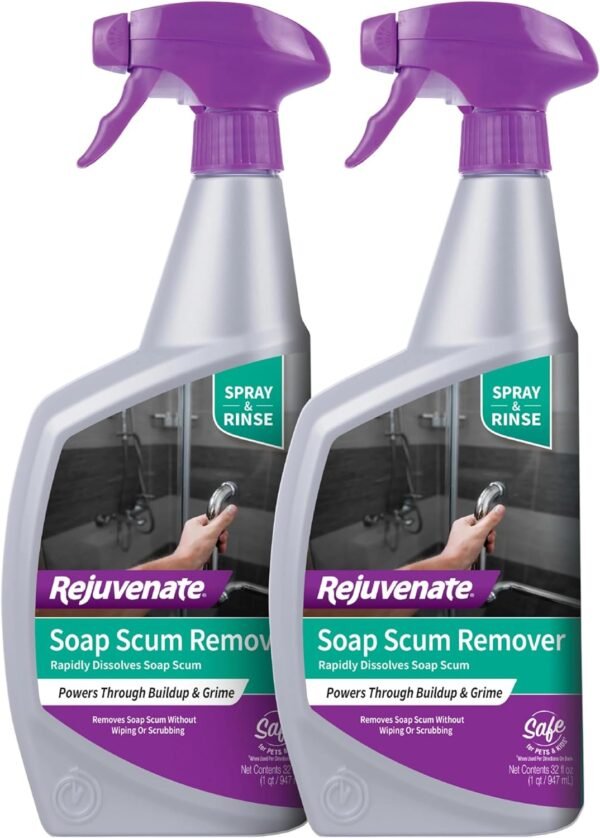
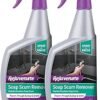
Rejuvenate Scrub Free Soap Scum Remover comes as two 24 ounce trigger bottles, 48 fluid ounces in total, model RJ24SSR 2PK. Soap scum is the chalky, slightly greasy film that builds on shower glass, tile and fixtures, and it is not simple dirt: it is the insoluble residue formed when the fatty acids in soap react with calcium and magnesium in hard water. That is why wiping it with a general cleaner mostly polishes it, and why the products that shift it work chemically rather than mechanically.
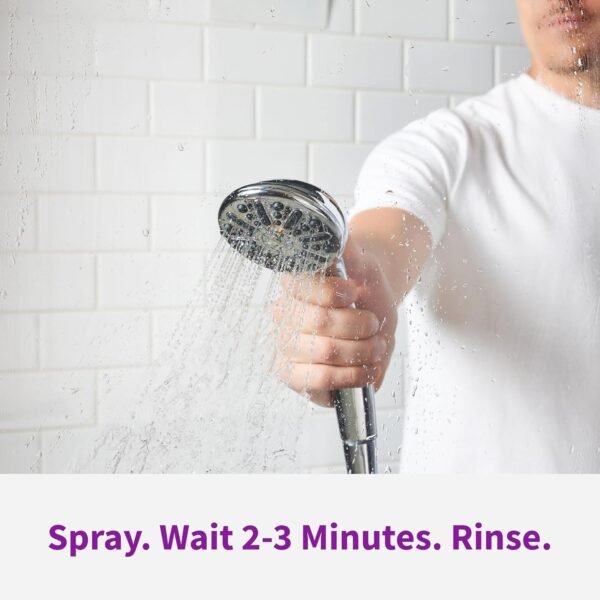
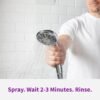
The instruction Rejuvenate publishes is the most valuable thing on the page and it is unusually specific for this catalog: spray, wait three minutes, then rinse clean. A stated dwell time is rare here, and it is the difference between a product working and a buyer concluding it does not. Most people spray and immediately wipe, which gives the chemistry no time to act at all. Three minutes with the surface kept wet is the whole method.
What is in the bottle, and what the listing withholds
No ingredient list, no active and no pH figure appear anywhere. Two chemistry statements are given, both negative: the formula is bleach free and it is non abrasive. The specification block adds that the product is fragrance free, though the field itself is misspelled.
Why the missing pH is the important gap
Products that dissolve soap scum are usually acidic, because an acid attacks the calcium and magnesium salts holding the film together. Nothing in this listing says whether that is what is in this bottle, and that single unknown determines which surfaces are safe. An acidic cleaner will etch polished marble, travertine and limestone on contact, will dull some metals over repeated exposure, and can damage grout that has not been sealed. Read the printed bottle for the ingredient statement and any surface warnings before using it on anything you would be unhappy to replace.
Bleach free is worth something practical. It means no chlorine odor in a closed shower, no risk of lifting color from a bath mat or a towel that catches the overspray, and no bleaching action on a stained silicone bead, which will still need a dedicated product such as the Lurongda mold remover gel if the marks are mold rather than scum.
Surfaces named, and a contradiction inside the listing
Rejuvenate names glass showers, ceramic tile, chrome, plastic and fiberglass in its usage field, and the product title repeats the same list. The description, however, adds porcelain and stone to that set.
Stone is the word to stop on. It appears in the long description and does not appear in the structured usage field, and no distinction is drawn between sealed and unsealed stone, or between granite, which tolerates more, and marble, which tolerates very little. Given that no pH is published and that soap scum removers are commonly acidic, the safe course is to treat stone as excluded until the printed label says otherwise, and to test any stone surface in a hidden spot and check it in daylight after it has dried. The same caution applies to natural stone shower thresholds and window sills that catch overspray.
The surfaces that are clearly in scope are the ones a modern shower is mostly made of. Glass doors, ceramic and porcelain tile, chrome and plastic fixtures and fiberglass or acrylic enclosures are all hard, non porous and chemically tolerant. On glass with an applied water repellent coating, check the coating maker’s guidance first; products such as EnduroShield glass polish and Rain X shower door cleaner exist precisely because a treated surface has its own maintenance rules.
Using it safely in a small room
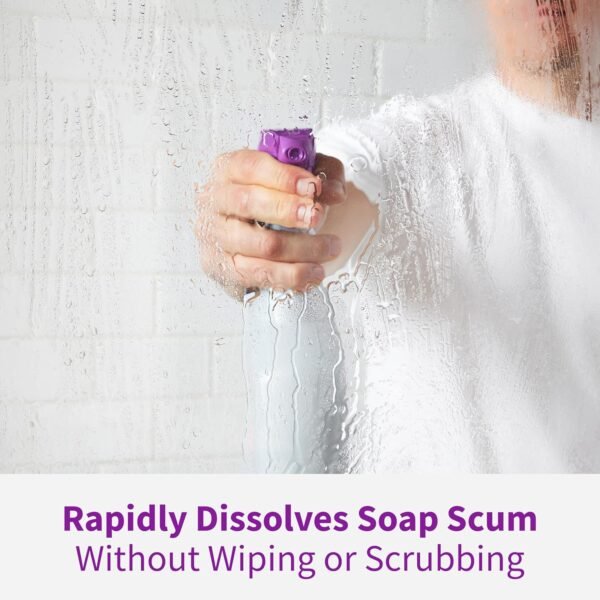
Ventilate before you start. A trigger sprayer in a shower enclosure puts a fine mist into a small, closed, humid space, and there is no reason to breathe it. Open a window, run the extractor fan, and leave the door open. Spray from the bottom up so runs do not leave clean stripes through untreated film, keep the surface wet for the full three minutes, and rinse thoroughly with clean water rather than wiping the product off dry.
Wear gloves for anything beyond a quick pass, keep it out of your eyes, and do not spray toward your own face when working on a high panel. Rinse the shower floor properly before anyone stands in it; a residue on a wet floor is a slip hazard.
The mixing rule is absolute and matters more here than usual, because bathrooms are where household chemical accidents happen. Never combine this with a bleach product, with a toilet bowl cleaner, with an ammonia based glass cleaner or with any other cleaner, and do not spray it onto a surface that still holds one. If the product is acidic, and the listing will not say, then combining it with a hypochlorite bleach releases chlorine gas. Use one product, rinse the surface with clean water, and only then reach for the next. A foaming general bathroom cleaner such as the Zep foaming shower, tub and tile cleaner should be a separate pass on a separate day rather than a second spray on the same wet wall. Store both bottles capped, upright, out of reach of children, and away from other bathroom chemicals.
Cost per shower, and the alternatives
Forty eight ounces across two bottles is enough for a great many shower cleanings, because this is applied as a mist rather than poured. Keeping the second bottle sealed until the first runs out is worth doing; trigger heads are the part that fails, and an unopened spare is a fresh trigger as much as a fresh liquid.
The real economy in this category is frequency. A brief spray and rinse weekly prevents the film building to the point where it needs a chemical assault at all, and a squeegee after each shower does more than any bottle. For the wider bathroom, a general product from our multipurpose bathroom cleaners shelf, such as the Scrubbing Bubbles bathroom cleaner, covers ground this specialist does not. The rest of this narrow category sits under soap scum removers.
Oddities in the record. The listing carries a single feature bullet, which is just the product title restated, so the description is doing all the work. That description is keyword stuffed with superlatives about being the best shower cleaner and a product you will use forever, which are marketing phrases with nothing behind them. The specification block contains a field labeled mildew resistant whose value reads “Bleach Free”, which is a value in the wrong field, and the perfume field spells fragrance incorrectly. The volume field correctly gives 48 fluid ounces for the two bottle pack. The item currently ranks 7th in the retailer’s household soap scum removers chart on 2,057 ratings averaging 4.3 stars.
Who should buy it
Buy it if you have soap scum on glass, ceramic tile, chrome, plastic or fiberglass, you want a bleach free and fragrance free option, and you will actually leave it on for the three minutes the label specifies. Skip it if your shower has natural stone you cannot risk, since the listing contradicts itself on stone and publishes no pH, or if the marks are mold rather than scum, which needs different chemistry.