


Description
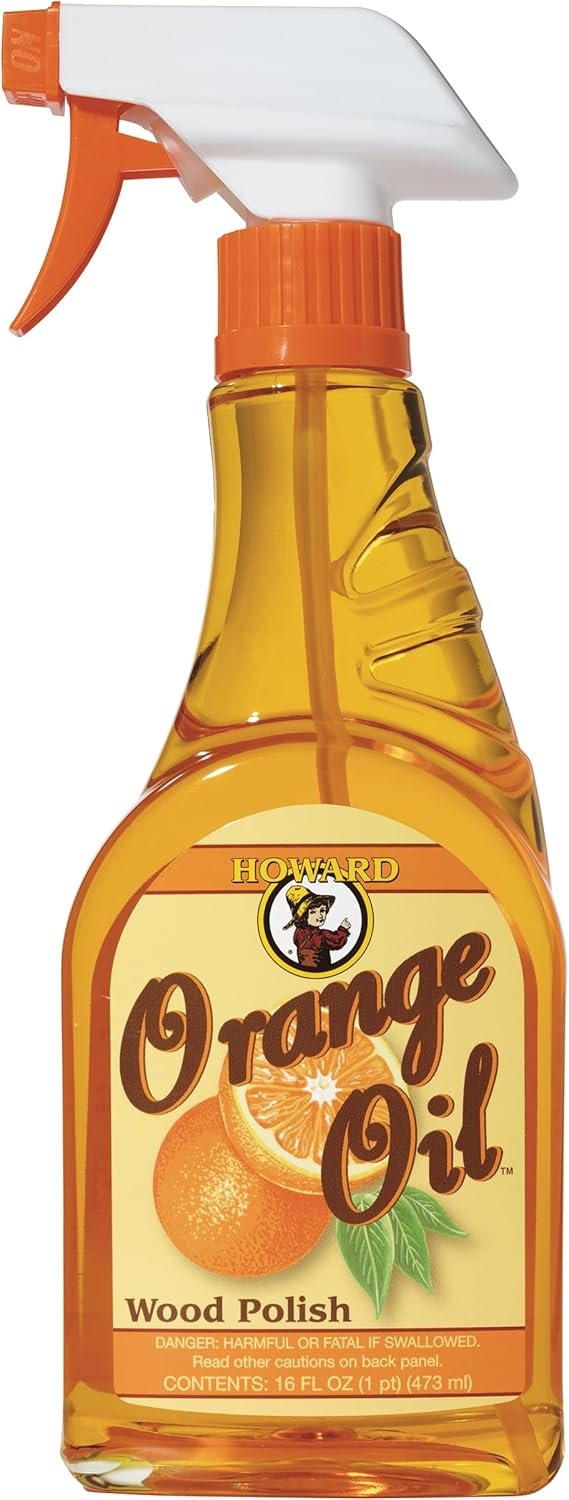
A cleaner and a conditioner in one 16 ounce bottle
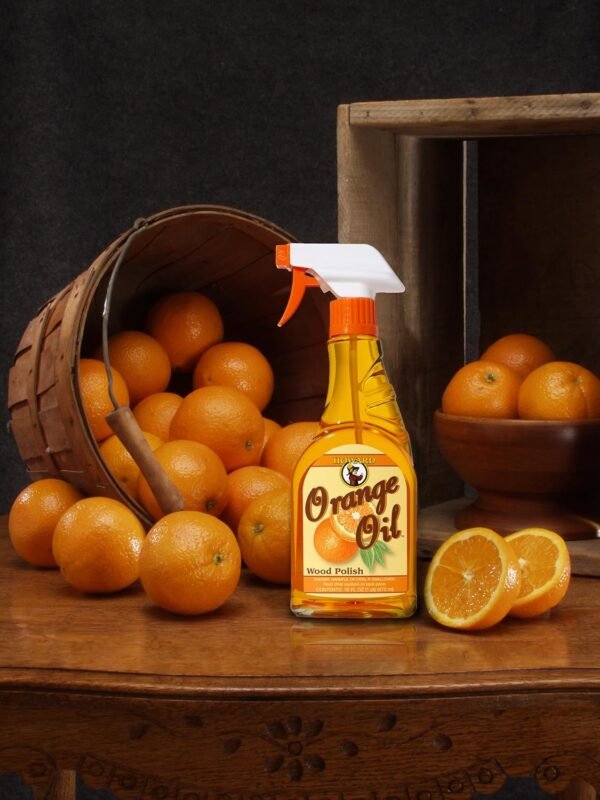
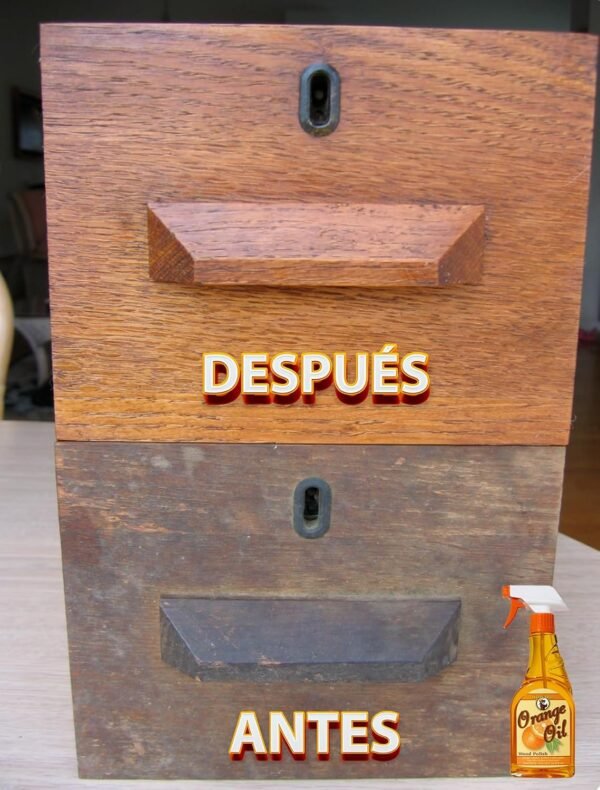
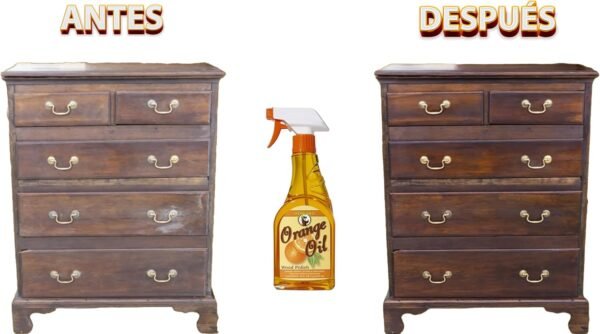
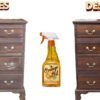
Howard Products Orange Oil Wood Polish is a 16 ounce spray, model ORS016, and it has been on the market long enough to have become a default in a lot of houses; the listing dates to 2007 and the company says it has been building products around orange oil for more than 35 years. It is sold for kitchen cabinets, tables, chairs and general wood furniture, and it does two jobs in one pass: the orange oil lifts surface dirt and dust, and a conditioning oil goes into the finish behind it.
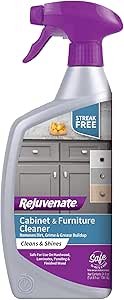
That combination is the reason it sits in a different place from a straight cleaner such as the Rejuvenate cabinet and furniture cleaner, which is designed to leave nothing behind. Howard’s product deliberately leaves something behind. Which of the two you want depends on whether you are about to apply a coating, in which case you want the bare surface, or whether you simply want tired wood to look better today.
What is in it, which is unusually well disclosed
Howard names both halves of the formula, and that is rare enough in this catalog to be worth calling out. The cleaning and scent component is real orange oil, and the conditioning component is mineral oil, stated in the bullets as what replenishes the lost oils in a dry finish. Two absence claims follow: the product contains no silicone oil and no linseed oil.
Why the two exclusions matter more than they sound
Silicone is the more practical of the two. Silicone based polishes leave a slick residue that is very difficult to remove completely, and it contaminates a surface for any future refinishing work, causing the crawling defect finishers call fisheye. If there is any chance a piece will be refinished or touched up later, a silicone free polish is the correct choice, and this one says so plainly.
Linseed oil is the safety relevant exclusion. Linseed and tung oil are drying oils, and rags soaked with them can heat up on their own as they cure and catch fire without any ignition source, which is why products such as the Star brite teak oil demand careful rag disposal. Mineral oil is not a drying oil and does not cure, so it does not carry that self heating risk. Orange oil, however, is a combustible solvent, so keep the bottle and any soaked cloths away from heat, flame, pilot lights and sparks, ventilate the room while you work, and let cloths dry before binning them.
Surfaces it suits, and where a mineral oil polish is wrong
Howard offers the product for all wood surfaces including antiques, for both finished and unfinished wood, and specifically states it is safe on teak and other oiled woods. That last point is useful, since many polishes are not compatible with an oiled finish. Kitchen cabinets, dining tables, chairs, sideboards and paneling are the natural targets, and the company positions it as a dust spray as well as a polish.
Three places to keep it away from. Floors, first and most importantly: an oil polish on a wood floor makes it slippery, and that is a genuine fall hazard rather than a finish concern. Anything you intend to paint, stain or refinish shortly, since even a non silicone oil interferes with adhesion until it is fully removed. And food preparation surfaces such as a butcher block, which should be treated with a product labeled for food contact rather than a furniture polish, regardless of how benign mineral oil is in other contexts.
Test on an inconspicuous area first on anything valuable, particularly shellac and French polished antiques, where solvents can soften the finish. If a piece has a wax finish you want to maintain, a wax product such as the beeswax furniture polish is the matching product, and for finish repair rather than maintenance the Mohawk finishing wood polish covers different ground.
Applying it, and the habit that keeps furniture from getting sticky
Spray onto a clean soft cloth rather than onto the furniture, then wipe along the grain. Spraying the piece directly leads to overspray on the floor, which brings the slip hazard back, and to pooling in carvings and joints. Use a light application: the most common complaint about any oil polish is a tacky surface, and that is almost always the result of applying more than the wood can absorb.
Buff off the excess with a second dry cloth after a minute or two. Howard says the product leaves no wax build up, which is consistent with a mineral oil formula, but excess oil left standing still attracts dust and turns gummy over months. Two thin applications separated by a week do more for a dry piece than one heavy one.
Store the bottle capped, upright, out of direct sun and heat, and out of reach of children and pets. Never combine it with another cleaning product on the same surface, and in particular do not apply it over a surface that is still wet with a bleach, ammonia or acidic cleaner. If a cabinet needs degreasing first, do that as a separate step, let the surface dry completely, and then polish.
What it costs to keep a kitchen looking cared for
Sixteen ounces applied by cloth in thin passes covers a great deal of cabinetry, so the running cost is low and a bottle lasts most households a long time. The comparison worth making is against a wax, which lasts longer per application but takes real effort to apply and buff, and against a plain damp cloth, which removes dust and does nothing for a dry finish. An oil polish sits between them: quick, repeatable, and requiring renewal every few months rather than every few years.
For a wood surface that is genuinely dry and gray rather than just dull, an oil is the right family of product but the outdoor and marine versions in wood conditioners, waxes and oils are formulated for weather in a way this one is not. For leather rather than wood, the Guardsman leather cleaner is the correct substrate specific product. The rest of the shelf sits under wood polish.
Oddities in the record: the specification block includes a field reading “Manufacturer recommended age: 0 months and up” on a furniture polish, which is an artifact of the retailer’s attribute system rather than any statement by Howard, and the department field reads unisex adult. The description contains the garbled sentence “This dust spray penetrates deeply to dry wood finishes”, and one bullet spells citrus incorrectly. The product dimensions of 7.5 by 6.5 by 10.5 inches are far larger than a 16 ounce bottle, which suggests a case measurement. The item currently ranks 17th in the retailer’s wood polish chart.
Who should buy this bottle
Buy it if you have finished or oiled wood furniture and cabinetry that looks dry and dull, you want a quick cleaning and conditioning pass, and you value a silicone free product that keeps future refinishing options open. Skip it for floors, for butcher block, for anything about to be refinished, or if you want a cleaner that leaves the surface completely bare.