

Description
A cleaner shelved among the polishes
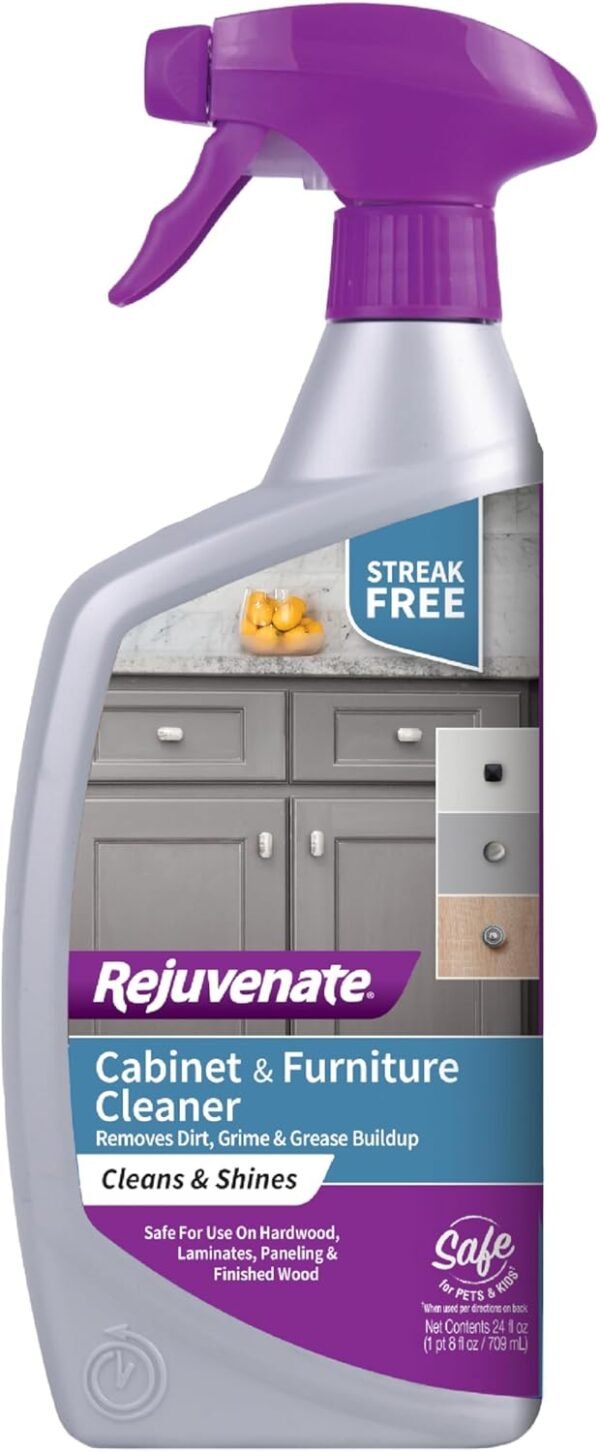
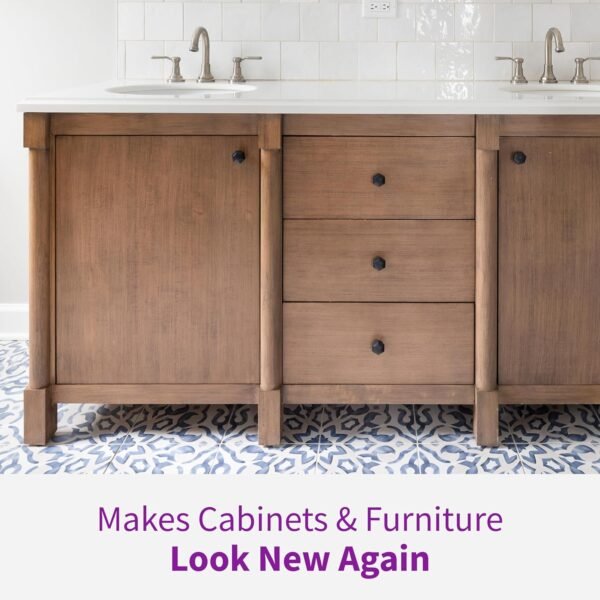
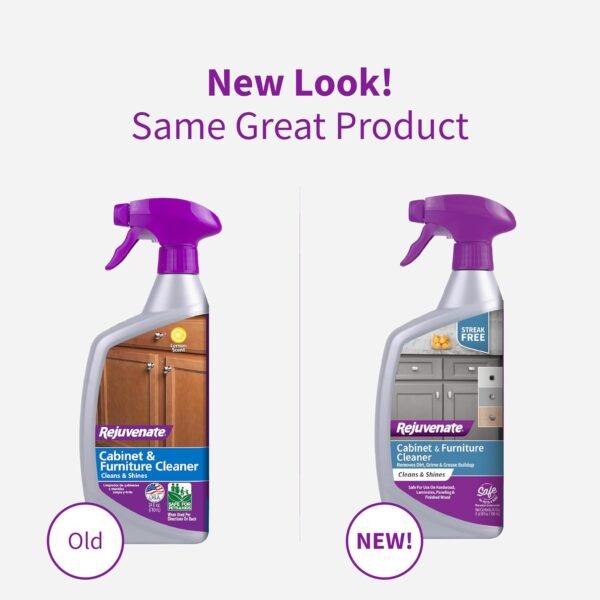
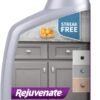
Rejuvenate Cabinet and Furniture Cleaner is a 24 ounce trigger spray built for one job: removing the film of dirt, grease and cooking oil that settles on kitchen cabinet doors and on wood furniture. It is worth being precise about the word cleaner, because this product sits in a wood polish category and it is not a polish. It adds no shine of its own beyond what a clean surface reflects, it deposits no wax and it fills no scratches. Rejuvenate is explicit that the companion product, its Cabinet and Furniture Restorer, is the one that puts a finish down, and that this cleaner is the preparation step before it.
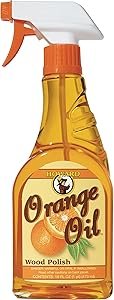
That distinction decides whether the bottle is right for you. Kitchen cabinets above a stove accumulate a sticky, slightly yellow layer of airborne cooking oil that ordinary dusting will not shift and that a furniture polish simply smears around. A dedicated cleaner cuts it. If what you actually want is deeper color and a coat of protection on tired wood, a polish or an oil such as the Howard orange oil wood polish is a different tool for a different afternoon.
What Rejuvenate says about the formula
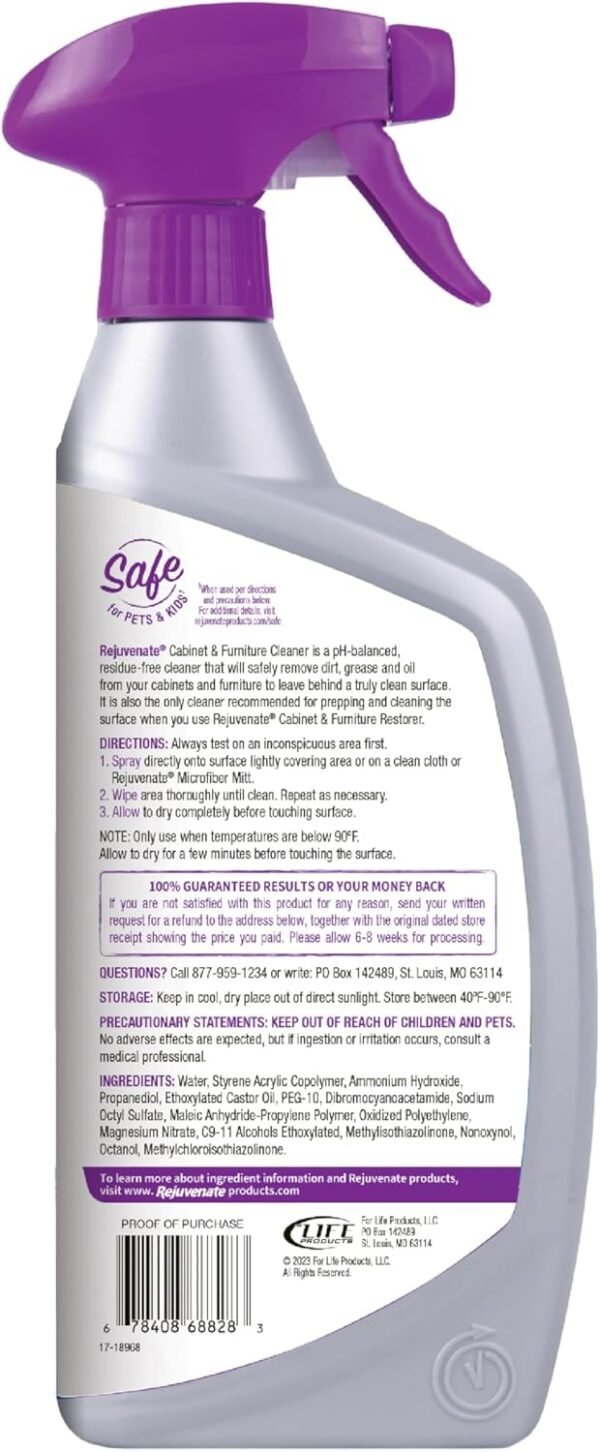
The publishable facts here are thin. Rejuvenate describes the formula as pH balanced and residue free, and states it removes dirt, grease and oil while it cleans. No ingredient list appears, no surfactant or solvent is named, and pH balanced is a marketing phrase rather than a number; there is no pH value anywhere in the listing. For a product going onto a finish you cannot easily replace, the actual pH would be the single most useful figure Rejuvenate could publish, and it does not.
Why residue free matters more than shine on a cabinet
Residue is the recurring failure of cabinet cleaning. Anything that leaves a film behind, whether a soap, a wax or a silicone, becomes the surface that the next round of kitchen grease sticks to, so cabinets cleaned with a polish tend to get dirty faster each time. A residue free cleaner is trying to leave the finish bare, which is also why Rejuvenate positions it as the prep step for its restorer: a coating will not bond properly over a film. If you have been using a wax based polish on your cabinets for years, expect this to take several passes before the surface stops feeling slick.
Surfaces named, and one clear restriction
Rejuvenate names hardwood, laminates, paneling and finished wood. That covers most kitchen cabinetry, including the melamine and thermofoil doors common in mid range kitchens, and most modern furniture.
The restriction is stated in capitals in the listing and deserves repeating: use on indoor cabinets and furniture only. Outdoor furniture, decking and exterior doors are excluded. Read finished wood strictly as well. Unfinished, raw, oiled or waxed wood is not on the list, and a water based cleaner on bare wood raises grain and leaves water marks. Antiques with shellac or French polish finishes are a particular risk, since shellac is softened by alcohols and by prolonged wetting. Test in an inconspicuous spot first, which Rejuvenate itself directs you to do. For genuinely oiled or waxed pieces, the products under wood conditioners, waxes and oils are the appropriate shelf, and something like a beeswax furniture polish maintains that kind of surface without stripping it.
How to use it, including the temperature rule
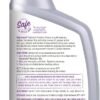
Rejuvenate gives a clear method: test an inconspicuous area first, spray directly onto the surface or onto a machine washable microfiber mitt, wipe the area thoroughly until clean, repeat as needed, and allow the surface to dry completely before touching it. Spraying onto the cloth rather than the door is the better default around a kitchen, because overspray lands on the counter, on the floor and on whatever is on the counter. Work top down so drips fall onto surfaces you have not yet cleaned, and change to a clean cloth face often, since a loaded cloth just redistributes grease.
The unusual instruction is the temperature one. Rejuvenate states the product should only be used when temperatures are below 90 degrees Fahrenheit, and tells you to check the temperature even when cleaning indoors. That is a real constraint in a hot kitchen or an un airconditioned house in summer, and it presumably relates to how quickly the liquid flashes off the surface. It is the kind of detail that gets lost in a bullet list and then produces streaks that the user blames on the product.
On safety, Rejuvenate states the product is safe for pets and kids when used per the directions on the product label, and refers buyers to its own website for detail. That is a conditional manufacturer claim and it is worth reading as one: the condition is doing what the label says. Ventilate the room, keep it off skin and out of eyes, store it capped and out of reach of children, and never combine it with another cleaner on the same surface. In a kitchen that means not spraying it onto a counter still wet with a bleach or ammonia product. Since the ingredients are not published, mixing is a gamble with an unknown.
What it costs to keep a kitchen looking clean
Twenty four ounces of ready to use spray covers a lot of cabinet doors, because this is applied by cloth in thin passes rather than poured. The realistic running cost is low and the real expense in this system is the upsell: Rejuvenate designs the cleaner to be followed by its restorer, and buying into the pair costs meaningfully more than buying one bottle. You are not obliged to. The cleaner works as a standalone product for routine degreasing, and plenty of kitchens need nothing more.
If the soil is heavy baked on grease rather than a general film, a dedicated degreaser such as the Shumanit cold grease remover is a stronger tool, with the caveat that stronger chemistry and delicate finishes rarely mix, so keep it off the cabinet fronts themselves. For furniture where the goal is repairing sheen rather than removing dirt, a touch up product like the Mohawk finishing wood polish covers different ground. Rejuvenate’s own bathroom product, the Rejuvenate soap scum remover, shows how the brand splits its range by room. The full shelf is in wood polish.
Two record level oddities: the product is categorized under wood polish on this site and under Wood Polish and Care by the retailer, despite being a cleaner rather than a polish, which is a placement worth knowing about when you are comparing it against the products next to it. And the listing’s safety statement points to a manufacturer web page for detail rather than stating anything on the page itself, so the claim cannot be evaluated from the listing. The item currently ranks 13th in the retailer’s wood polish chart.
Who should buy it
Buy it if you have finished wood or laminate cabinets carrying a kitchen grease film and you want a cleaner that leaves nothing behind. Skip it if your wood is bare, oiled, waxed or an antique finish, if the piece lives outdoors, or if what you are really after is shine, in which case you want a polish and not this bottle.