Description
What this pack is, and the question of how many are in it
These are Energizer MAX AAA alkaline cells, the standard 1.5 volt triple A used in remotes, toys, games, clocks, wireless keyboards and small flashlights. Energizer positions MAX as its mainstream long life alkaline line, and this listing is the bulk pack version of it.
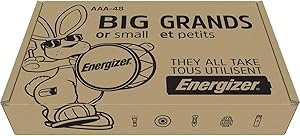
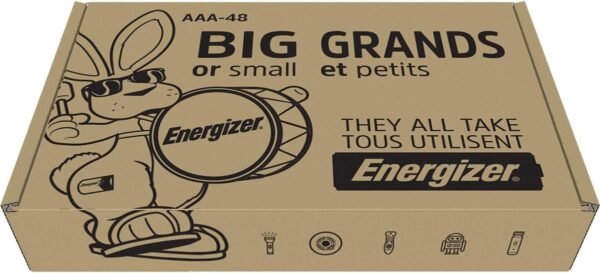
How bulk is the first thing that needs settling, because the listing does not agree with itself. The product title says 48 count. The first feature bullet says a 24 pack. The specification field says 48 AAA batteries required and included. The model number, E92DP-24, contains a 24. The recorded package weight is 1.34 pounds, which is around 21 ounces, and a AAA alkaline weighs a little over a third of an ounce each, so the weight is consistent with 48 cells plus packaging rather than 24. Two independent fields point at 48 and two point at 24. We cannot resolve it from the listing, and a buyer should check the quantity on the product page before ordering rather than relying on any single field.
The chemistry, and what the performance claims actually compare
These are alkaline primary cells: zinc and manganese dioxide in a potassium hydroxide electrolyte, single use, 1.5 volts nominal. Alkaline is the right chemistry for low and moderate drain devices that sit for long periods, which describes most of the AAA devices in a house. It is a poor chemistry for high drain electronics, where the voltage sags under load and a lithium or a rechargeable nickel metal hydride cell does better.
Read the longest lasting claim carefully
Energizer’s bullet reads: its longest lasting MAX AAA batteries, up to 50 percent longer lasting than Eveready Gold in medical devices. Both halves of that comparison need noticing. Eveready Gold is Energizer’s own value brand rather than a competitor, and medical devices are a specific drain profile rather than a general one. The claim is therefore much narrower than a general statement that these last half again as long as other batteries, and any summary that widens it misrepresents the label.
Two further claims are more straightforward. Energizer states that MAX AAA cells are designed to protect devices against damaging leaks for up to two years after being fully used, and that they hold power for up to 12 years in storage. Leak protection is the one that matters most in practice, because the commonest way a AAA cell causes damage is not by running flat but by leaking potassium hydroxide inside a device that was left in a drawer.
The record gives a first availability date of February 2018, a manufacturer of Energizer Batteries, model E92DP-24 and a rank of 50th in AAA Batteries. The Customer Reviews field contains a sales rank string rather than a star rating, and the product description field on this record contains a single letter, so neither is usable.
Devices, and where alkaline is the wrong choice
Use them in remotes, wall clocks, toys, games, wireless keyboards and mice, small torches, kitchen scales and thermometers. Those are exactly the devices alkaline suits: modest current, long idle periods, and a nuisance rather than a crisis if a cell runs out.
Think twice about three situations. High drain devices such as camera flashes and some motorized toys drain alkaline cells quickly and give better results on rechargeables. Devices left in cold outdoor conditions lose capacity on alkaline chemistry. And critical devices, particularly smoke and carbon monoxide alarms, should take whatever battery the alarm manufacturer specifies, checked against the manual or the label inside the compartment, rather than whatever is in the drawer.
The other rule that saves devices is not to mix. Do not put a fresh cell alongside a partly used one, and do not mix brands or chemistries in the same device. In a series arrangement the weaker cell is driven hard by the stronger ones, which is one of the main causes of leakage. Replace all the cells in a device at once, and if a device is going into storage for a season, take the cells out.
Handling, storage and disposal
Alkaline cells are not rechargeable, and attempting to charge one can cause it to vent or rupture. If you want rechargeable cells, buy cells sold as rechargeable, such as the Bevigor rechargeable cells in the AA size, and use the correct charger.
Store spares in the original packaging in a cool, dry place rather than loose in a drawer with keys and coins, since loose cells can short against metal. The 12 year storage claim only holds under sensible storage conditions, so keep them out of a hot attic or a damp garage.
Batteries of this size are an ingestion risk for small children, and while a AAA is less immediately dangerous than a lithium coin cell, a swallowed battery is always a medical matter rather than a wait and see. Keep both fresh and spent cells out of reach, and take spent cells out of a device promptly rather than leaving them to leak. If a cell has leaked, do not touch the crust with bare hands, because the residue is caustic: wear gloves, wipe the contacts with a cotton swab dampened with a little vinegar or lemon juice to neutralize the alkali, dry thoroughly, and dispose of the cell. Never mix that cleanup with any other household cleaner. For disposal, use a battery recycling point where one is available and follow local rules, and tape the terminals of any battery before transport.
Cost structure and the alternatives
Bulk alkaline packs are bought for cost per cell, and the arithmetic is simple as long as you know the count, which on this listing you do not. The other half of the arithmetic is whether you will use them before they age. A household that goes through a dozen AAA cells a year has a use for a large pack; one that changes a remote twice a year does not, and the 12 year storage claim is what makes the larger pack defensible.
The alternative worth weighing is rechargeable. For devices that eat cells, nickel metal hydride cells pay for themselves and remove the disposal question, at the cost of a charger and slightly lower voltage. For devices that sip, alkaline remains the sensible choice and rechargeables self discharge in a drawer.
Comparable listings on this site include the Energizer MAX AA from the same range, the Duracell Procell AA, which is a professional line sold in bulk, the Voniko AA and the Voniko 9V for smoke alarms and instruments. The AAA category and the wider household batteries category list the rest.
Who should buy this pack
Buy it if your household genuinely goes through AAA cells, you want a mainstream branded alkaline with a stated leak protection period, and you have somewhere cool and dry to keep the surplus. Confirm the pack quantity on the product page first, because this listing states 48 in the title and 24 in the bullets and does not resolve which is correct. Skip it if your devices are high drain and would be better on rechargeables, if you need cells for a smoke or carbon monoxide alarm that specifies a different battery, or if you only need two.