





Description
What a sixteen pack of alkaline AA cells is actually for
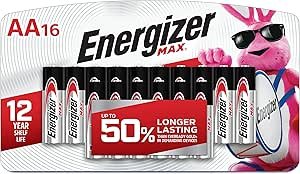
This is a household staple rather than a considered purchase. Energizer lists the set as MAX Alkaline AA, model E91LP-16, sixteen cells to a pack, and the manufacturer’s own copy frames the use cases plainly: remote controls, wall clocks, flashlights and children’s toys. That is the honest scope. These are primary cells, meaning they are used once and discarded, and they suit devices that draw current slowly over weeks or months rather than devices that pull hard in short bursts.
The distinction matters more than most listings admit. A wall clock or a television remote sips power, and alkaline chemistry suits that pattern well. A camera flash, a motorized ride-on toy or a high output flashlight pulls current fast enough that an alkaline cell sags under load, and the same cell that runs a clock for a year can be flat in an afternoon. Energizer’s bullets hint at this by naming remotes, clocks, toys and flashlights rather than power tools or professional cameras.
The pack is also positioned as a stockpile item. The listing gives a shelf life of up to twelve years in storage, which is the figure that justifies buying sixteen at once instead of four, and it is why these packs end up in emergency kits and junk drawers. Storage life and service life are different things, and the twelve year number describes the former only.
The chemistry, and what the manufacturer will and will not tell you
The listing gives the chemistry only as alkaline. It does not publish a cell composition, a milliamp hour rating, or a discharge curve, so any specific capacity figure quoted elsewhere did not come from this page. Alkaline primary cells as a class use a strongly alkaline potassium hydroxide electrolyte, which is the reason a leaking cell leaves a white crusty deposit that is caustic rather than merely dirty. Treat that residue as a chemical spill, not as dust.
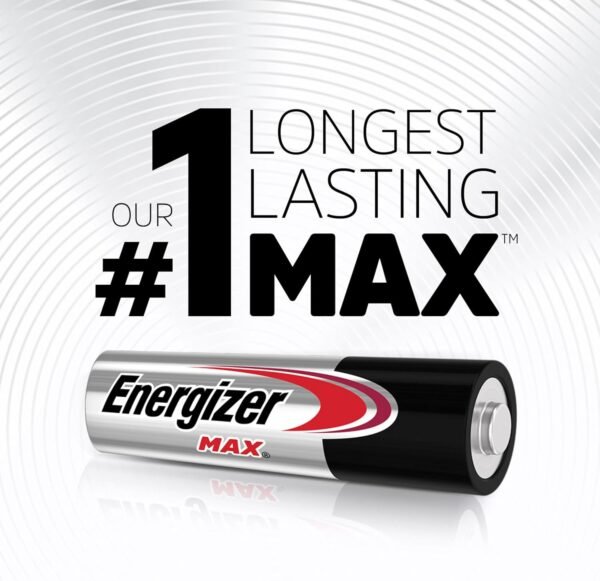
Energizer makes two comparative claims here and both need reading carefully. The first is that these are the brand’s longest lasting MAX cells, which is a claim about Energizer’s own range rather than about the wider market. The second is more specific: the bullet states the cells last up to fifty percent longer than Eveready Gold in demanding devices. That is a comparison against a different budget line under the same corporate roof, in an unnamed test, with the qualifier “up to” doing a great deal of work. It is not a comparison against a rival premium alkaline cell. The listing publishes no test protocol, no device and no third party verification, so treat the figure as manufacturer marketing rather than as measured performance.
The leak protection claim
Energizer describes Powerseal Technology as protecting devices against damaging leaks for up to two years after the cells are fully used. Read that literally. It is a bounded promise about the period following full discharge, not a promise that a cell will never vent. The practical takeaway is the one every device manual repeats: take cells out of anything you are putting away for a season, because a forgotten cell in a stored flashlight is the classic way to lose the flashlight.
Where these fit and where they do not
Alkaline AA cells drop into any device that specifies AA or LR6. They are inappropriate in three situations. They must never go into a charger intended for rechargeable cells, because forcing current into a sealed primary cell can make it vent or rupture. They should not be mixed in one device with cells of a different chemistry, brand or age, because the stronger cells drive the weaker one into deep discharge and that is when leaks start. And they are a poor match for devices that specify lithium or nickel metal hydride cells for sustained high drain, where rechargeable AA cells are the more sensible long term answer.
Two specification oddities in this listing are worth naming rather than smoothing over. The item weight field reads 0.811 ounces, which is roughly the weight of one AA cell and not of a sixteen pack, so that field appears to describe a single unit while the title describes sixteen. The battery field reads “16 AA batteries required (included)”, which is import boilerplate written for devices rather than for cells sold on their own. Neither error changes what arrives, but both are a reminder that the specification block on this listing is not a reliable source of numbers.
Handling, storage and disposal
Store cells in the pack, at room temperature, away from coins, keys and loose metal. A shorted AA can get hot enough to burn. Refrigeration does nothing useful for modern alkaline cells and risks condensation on the terminals. Keep spares away from small children, and keep them stored separately from coin and button cells, since those are the ones that cause serious internal injury if swallowed and belong in a latched drawer.
If a cell has leaked, do not wipe the crust with a bare hand. The residue is alkaline and irritating to skin and eyes. Wear gloves, keep it away from your face, clean the contacts with a dry brush or a cotton swab lightly dampened with water, and dry the compartment fully before fitting new cells. Never use a household cleaner inside a battery compartment, and never combine cleaning products while doing it.
Disposal rules vary by state. Alkaline cells are accepted in ordinary household waste in much of the United States, but several states require recycling and many municipalities prefer it, so check local rules rather than assuming. Tape the terminals of used cells before they go into any container where they can touch each other.
What a pack this size costs you over time
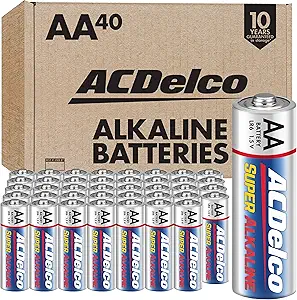
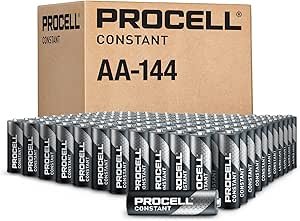
The cost structure question with disposable cells is not the pack price, it is how fast the household burns through them. A home with a few remotes and a wall clock will take years to work through sixteen cells, and the twelve year storage claim makes that a sensible way to buy. A home with several battery hungry toys is a different case, and there the arithmetic favors rechargeables even though the upfront outlay is higher. This pack sits between warehouse brand alkalines and specialty cells, roughly where the Duracell Procell AA cells we cover also land, though Procell is sold as an industrial line rather than a retail one.
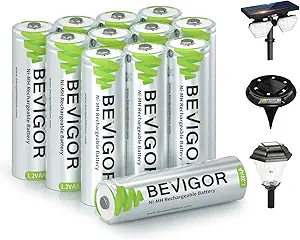
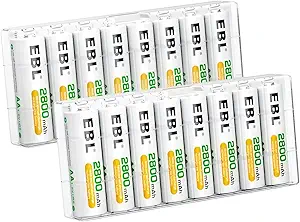
For alternatives in the same size, the catalog carries the EBL AA pack and the Voniko AA cells, and the full AA size listing lets you compare pack counts side by side. Amazon ranked this Energizer pack twenty second in AA Batteries when the listing data was captured, which tells you it sells steadily and tells you nothing about how it performs in your device.
Who this suits and who should look elsewhere
Buy this if you want a large, long dated supply of ordinary alkaline AA cells for low drain household devices and you value a long storage life because the pack will sit in a drawer for years. It is a reasonable default for remotes, clocks, and basic flashlights, and for smoke alarms where the alarm manufacturer specifies alkaline.
Look elsewhere if the cells will feed high drain devices used daily, where rechargeables cost less across a year and produce far less waste. Look elsewhere too if you need a documented capacity rating for a technical application, because this listing publishes none. And if a device specifies lithium cells for cold weather or sustained current, buy the chemistry the device asks for rather than substituting alkaline.