

Description
The job a gel dishwasher detergent is bought for
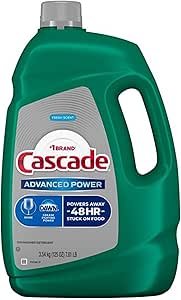
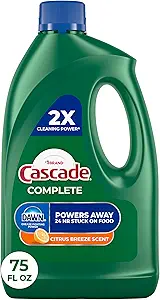
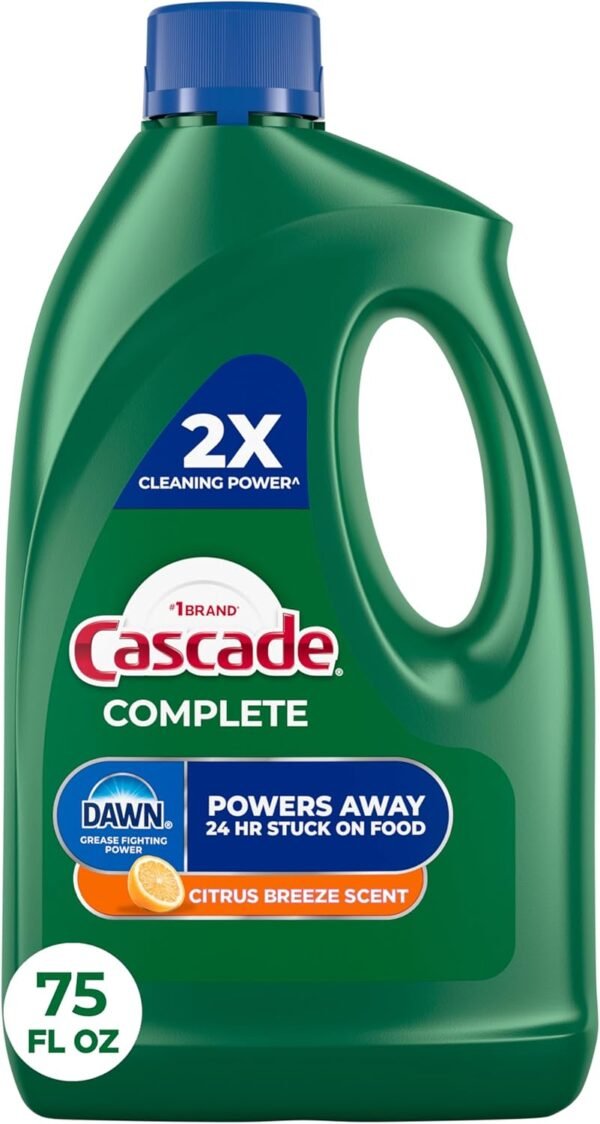
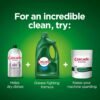
Cascade Complete Gel is Procter and Gamble’s liquid format automatic dishwasher detergent, sold here as a seventy five ounce bottle in the Citrus Breeze scent, model 3700043357. Gel is the oldest of the three formats Cascade sells, sitting alongside powder and the unit dose ActionPacs, and the listing itself points out that all three exist.
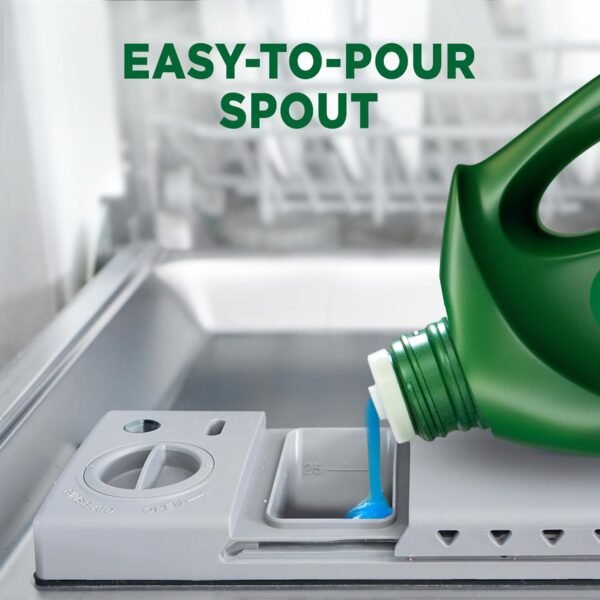
The reason to choose gel over a pac comes down to dose control and machine behavior. A bottle lets you use less for a light load and more for a heavy one, and it lets you split a dose between the prewash cup and the main dispenser, which a single pac cannot do. Gel also dissolves readily in short and cold cycles where a pac film can survive intact. The trade off is measuring, drips down the bottle, and a cap that gets sticky.
Procter and Gamble frames the product around skipping the sink. The listing states there is no prewash needed and that the gel powers away stuck on food. That is the promise most people are buying, and it is worth reading alongside what modern machines actually want: scraping solids into the bin, yes, but rinsing plates under a tap is usually unnecessary and can even work against detergents designed to grip onto soil.
What is in it, and what Procter and Gamble chooses to publish here
The Amazon listing carries no ingredient list. It names one functional element only: the gel is described as formulated with the grease fighting power of Dawn, borrowing the surfactant identity of the company’s dish soap brand. No surfactant is named, no enzyme is named, no builder or bleaching agent is declared, and no concentration appears anywhere. The listing also refers to a Pure Rinse Formula that rinses cleanly away, which is a marketing name rather than a described mechanism.
Automatic dishwasher detergents as a class are alkaline. That alkalinity is what saponifies fats and lifts protein soils at the temperatures a dishwasher reaches, and it is also why these products are irritating to skin and eyes and why they should never be used for hand washing dishes. If you want to know precisely what is in this bottle, the back label and the manufacturer’s own ingredient disclosure are the only sources, because this page does not tell you.
The recommendation claim, and the disclosure buried in it
The listing describes Cascade as the leading recommended brand in North America, and then, to its credit, immediately qualifies it: recommendations are stated to be part of co-marketing agreements. That is an unusually honest footnote and it changes the meaning entirely. It is a commercial arrangement between a detergent maker and appliance makers, not an independent engineering assessment of which detergent cleans best. Read it accordingly. Amazon ranked this bottle fourth in Dishwasher Detergent when the listing data was captured, which measures sales rather than performance.
Machines, loads and what to keep away from the dishwasher entirely
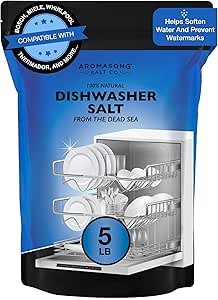
Gel goes in the main detergent cup, with the cup latch closed, and a small amount can be smeared in the prewash recess for heavily soiled loads. It suits both standard and high efficiency domestic machines. The listing gives no guidance on water hardness, and that is the single biggest variable in dishwasher performance. In hard water areas a gel without a strong builder can leave a chalky film on glassware, and a hard water specific product such as the Finish Quantum hard water formula or a separate dishwasher salt is the usual answer.
The compatibility warnings are about what you put in the machine, not about the detergent bottle. Aluminum pans, anodized cookware and cast iron do not belong in a dishwasher, because alkaline detergent dulls and pits aluminum and strips the seasoning off iron. Cast iron wants hand cleaning with a tool such as the chainmail cast iron scrubber rather than a detergent cycle. Hand painted china, gold rims, antique glass, wooden handled knives and anything with a glued joint should also stay out. Crystal etches permanently in an alkaline wash and the damage cannot be reversed.
Dosing, storage and the safety points that come with an alkaline product
Use only the dose the cap markings indicate. Overdosing is the most common cause of a white film on glasses and of detergent smell on dry dishes, and it costs money for a worse result. Under a full load with a normal cycle, the manufacturer’s marked dose is the starting point.
On safety, treat this as a household chemical rather than a soap. Automatic dishwasher detergent is a frequent cause of pediatric exposure calls in the United States, precisely because the bottle looks harmless and lives under a sink. Store it closed, upright, out of reach of children, and ideally in a latched cupboard. Wipe spills from the door and the floor immediately, since gel is slippery underfoot and stays on skin.
Avoid skin and eye contact. Wash hands after loading. If gel reaches an eye, rinse thoroughly with water and seek medical advice. Do not use it as a hand dishwashing liquid, and do not use it in a washing machine.
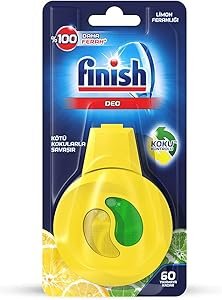
Never combine it with another cleaning product. That means not adding chlorine bleach to a dishwasher that has been run with an acidic descaler, not tipping a drain product into a dishwasher drain line, and not mixing detergents in the cup. Bleach with acid produces chlorine gas and bleach with ammonia produces chloramine, and a closed appliance is a bad place to discover either. If you want to freshen the cabinet between cycles, use a purpose made unit such as the Finish dishwasher air freshener rather than improvising with a cleaner.
Running cost and how the formats compare
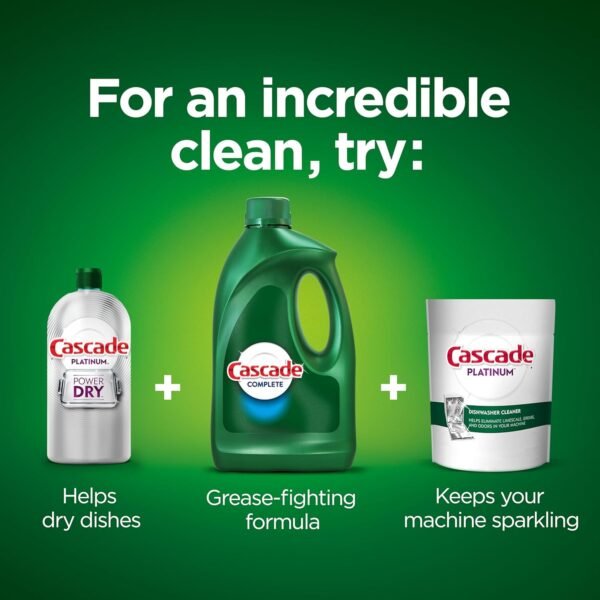
The cost structure argument for gel is dose flexibility. Seventy five ounces yields a variable number of loads depending on how much you use, which cuts both ways: a careful user gets more washes per bottle than the pac equivalent, and a careless user gets fewer. Pacs remove the decision and remove the waste, which is why many households pay the premium. If that convenience is what you want, the Cascade Platinum pacs are the direct in house comparison, and the other Cascade detergent listing in the catalog covers a further variant of the same range.
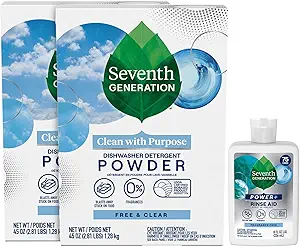
Drying and spotting are a separate spend. A rinse aid addresses water sheeting rather than soil removal, and no detergent replaces it. The full dishwasher detergent listings and the rinse aid listings let you build the pair deliberately instead of hoping one product does both.
One listing note before you buy: the page carries a packaging may vary disclaimer, so the bottle that arrives may not match the photograph.
Who this suits and who should choose another format
Buy the gel if you want to control the dose, you run a mix of light and heavy loads, or your machine runs short and cool cycles where a pac film can fail to dissolve fully. It is also the sensible pick if you want to prime the prewash cup, which the pac format makes impossible.
Choose a pac instead if measuring is the part you dislike, or if a sticky cap and a drippy bottle under the sink is exactly the friction you are trying to avoid. Look at a hard water specific detergent if your glassware comes out cloudy, since no amount of extra gel will fix mineral film. And if anyone in the home cannot be trusted around an alkaline chemical stored under a sink, put whichever you buy behind a latch.