







Description
A small tin of wax, sold with a sponge
CARGEN Beeswax Furniture Polish is a wax paste supplied with an applicator sponge, listed at a package weight of 3.53 ounces including the sponge and the packaging. It sits in the wood polish category and the job it is bought for is straightforward: cleaning and then leaving a thin protective film on wood furniture, which fills fine scratches, deepens the appearance of the grain and gives a low sheen.
Wax is an old approach and it has real advantages. It is reversible, it can be reapplied locally rather than over a whole piece, and it produces a soft finish that many people prefer to the plastic look of a modern coating. It also has a real disadvantage, which is that it builds up. Every application adds material, and a piece waxed repeatedly over years eventually looks cloudy or yellow and has to be stripped rather than topped up.
The quantity is small. Under three and a half ounces including the sponge and tin is enough for a table or a few chairs, not for a house full of furniture, so treat this as a single project purchase rather than a stock item.
What the listing says is in it, and the question that raises
CARGEN states that the polish is made entirely from one hundred percent natural beeswax, with no GMOs, no paraffins and no mystery ingredients, and that beeswax gives a light honey scent.
That claim raises a practical question the listing never answers. Pure beeswax at room temperature is a firm solid, closer to a candle than to a paste, and it is difficult to spread with a sponge. Wood care pastes of this type ordinarily contain a carrier, typically an oil or a solvent, to make the wax workable. The listing names no carrier, no oil, no solvent and no other ingredient at all, and offers no full ingredient panel. Whatever is actually in the tin, the label on the product is the only place to read it, and it is worth reading before you put it on a piece of furniture you care about.
Two further claims are absolutes and should be read as advertising rather than specification. The listing says the product creates a protective seal to keep out any odor, stain, moisture and anything else that causes damage, and that it will keep furniture wood permanently as new. No wax does either of those things. Wax is a sacrificial layer that wears, and it is renewed by reapplication rather than being permanent.
The listing contradicts itself on finished versus unfinished wood
One bullet says the polish enhances the natural beauty and depth of grain in finished and unfinished wood. Another says it is safe to use on beeswax furniture and treated wood. Those two statements do not agree, and the difference matters a great deal in practice.
On sealed, finished wood, a wax sits on top of the coating and can be buffed or stripped off later. On raw, unfinished or previously oiled wood, wax soaks in, and once it is in the pores it is extremely difficult to remove. That closes off future options: a waxed raw surface cannot be varnished, painted, glued or refinished without stripping, because wax residue is one of the classic causes of finish failure. If a piece is antique, valuable, or likely to be refinished, do not wax bare wood on the strength of a contradictory bullet point.
The manufacturer field on this listing reads WAX-SET01-1PCS, which is a model number rather than a company name, so the page does not identify who makes it. Amazon ranked it fifty second in Wood Polish when the data was captured.
Surfaces, and the one place it should never go
Wax suits finished wood furniture: table tops, chairs, desks, cabinet doors, benches and trim. The listing also names teak, antique and modern furniture.
It should not go on a floor. The listing says the product cleans and polishes wood floors as well, and that is the one recommendation in it to ignore outright. A wax film on a wood floor is a genuine slip hazard, particularly in socks and particularly at the top of a staircase, and floor waxes that are made for the purpose are formulated and applied differently. Floors want a product built for floors, such as the products in the floor cleaner listings.
Keep it off surfaces that will be refinished, painted or glued. Keep it off kitchen worktops used for food preparation unless the label specifically permits food contact, which this listing does not address. Keep it off any surface that gets hot, since wax softens and smears with heat. And do not apply it to a piece you intend to sell as original antique finish without understanding that wax alters the surface.
Applying it, and handling it sensibly
Clean the piece first and let it dry, because wax over dust or grease traps both. Apply a very small amount to the sponge rather than to the wood, work a section at a time, let it haze, then buff with a clean dry cloth until no drag remains. Too much product is the standard mistake and it shows up as a sticky, streaky surface that collects dust.
Test in a hidden area first, particularly on anything old or with an unknown finish, and wait for the test patch to dry fully before judging it.
On safety, the listing publishes no hazard information, no first aid guidance and no ingredient list, so the tin is your only source. Ventilate the room while working, keep the product away from open flame and heat, avoid prolonged skin contact, and wash hands afterward. Keep it out of reach of children, since a scented paste in a small tin looks edible to a toddler, and keep it away from pets.
Spread used cloths flat to dry rather than leaving them balled up in a bin. That is standard practice with any cloth carrying an oil or solvent bearing product, and it costs nothing to observe.
Never combine it with another product on the same surface, and never mix cleaning products anywhere in the house.
Cost, and the alternatives worth comparing
A small tin plus a sponge is an inexpensive way to try a wax finish, and the cost per piece of furniture is low. What it is not is an economical way to maintain a lot of wood, since the quantity is small.
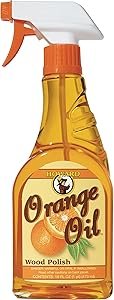
Against it, the catalog carries the Howard Products wood polish and the Mohawk finishing wood polish, both from established wood care brands with more published detail. If the actual problem is a visible scratch rather than a dull finish, a wax will hide it only partly, and a dedicated repair product such as the Daixism furniture markers or the Seisso wood filler sticks addresses it more directly. The scratch cover and remover listings cover that route.
Who should buy this and who should not
Buy it if you want to try a wax finish on a piece or two of finished wood furniture, you accept the buffing labor, and you understand that wax is renewed by reapplication and eventually stripped rather than built up forever.
Do not use it on floors, whatever the listing says, because a waxed wood floor is slippery. Do not apply it to bare or previously oiled wood on the strength of a contradictory bullet, and never to a piece you may refinish. Do not treat the permanently as new and seals out anything wording as accurate. And read the tin, because the page names one ingredient and no carrier.