Description
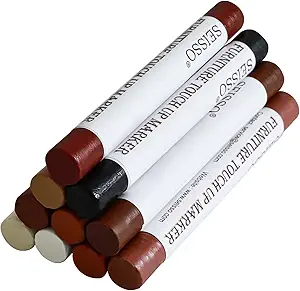
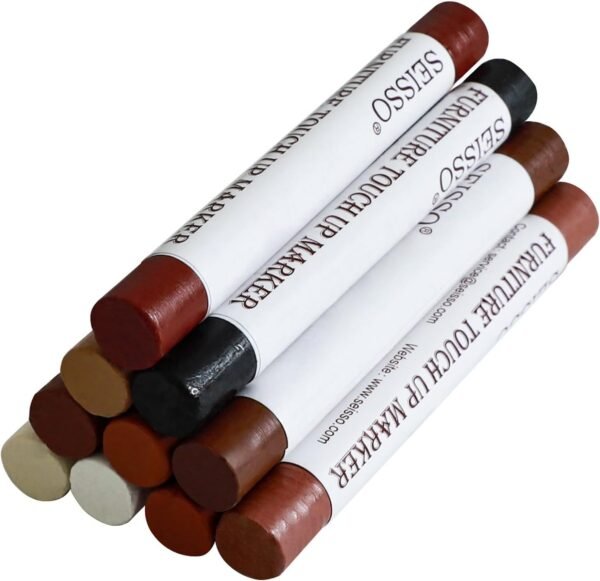
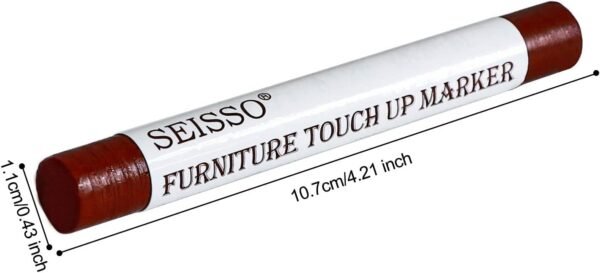
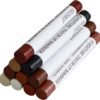
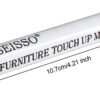
SEISSO wood filler sticks are ten wax crayons in ten wood tones, packaged flat and weighing 6.35 ounces in total. They fill scratches, cracks, small holes and gouges in wood, and they are the correct class of product for damage that has depth, which is exactly where a touch up pen or a marker fails.
Fill first, color second
Wood damage divides into two kinds and the fix is different for each. A surface mark where the finish is scuffed but the wood is still level needs color, and a marker or a touch up pen handles it. A scratch you can catch a fingernail in needs material, because what the eye actually sees is the shadow inside the groove, not the color of the wood. Painting over a groove leaves a colored groove.
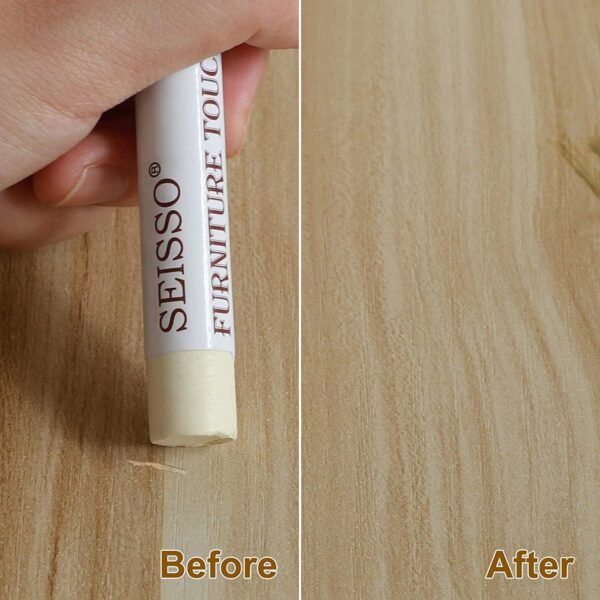
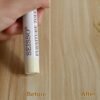
A wax filler stick puts material back. You press or melt wax into the depression, level it with the surrounding surface, and the shadow disappears. That is the mechanism, and it explains both what these are good at and where they stop: they are a cosmetic repair for small defects, not a structural one, and they do not restore the finish or the strength of the wood.
The ten colors, and how to use them together
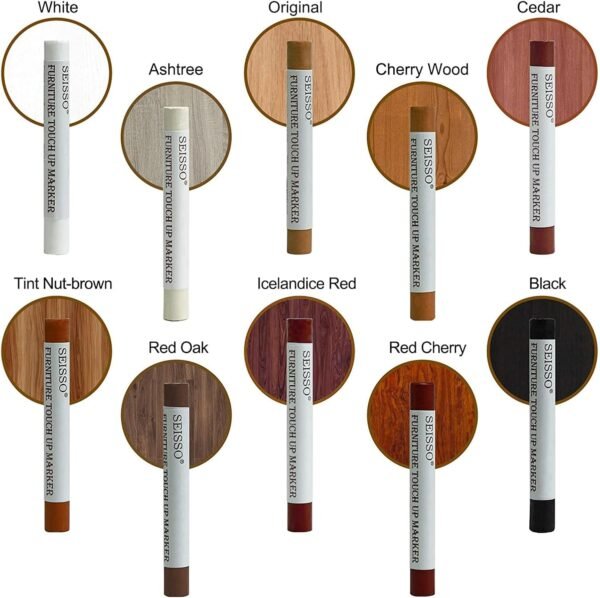
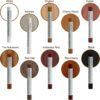
SEISSO names the ten shades as white, ashtree, redoak, tint nutbrown, cedar, black, icelandice red, cherry wood, original and red cherry. Several of those names are unconventional, and the listing itself warns that screen resolution means the physical color may differ from the pictures. Take that seriously: color matching from a product photograph is unreliable, and the practical approach is to hold the sticks against the item in daylight before choosing.
The more useful instruction is buried in the last bullet. SEISSO says several shades can be blended on one piece, and that is the technique that makes a kit like this work. Real wood is not one color: it has grain, variation and often a stain that shifts across a board. A single flat shade in a groove reads as a repair, while two or three worked together disappear. Start with the closest match, then add a darker or lighter shade sparingly.
The heating instruction needs care
The listing repeatedly recommends using high temperature equipment to melt the crayon so it drips into the depression, because the wax is hard enough to be difficult to press in cold. That works, and it is how filler wax is applied professionally, but the page gives no guidance on what equipment, what temperature, or what precautions. This review will not name a tool or a temperature the manufacturer has not named. What can be said is the safety context: you are melting wax over a wooden surface, and heat, wax and wood together deserve respect. Work away from anything flammable, never use an open flame near a finished surface, keep the heat brief and moving, and let the area cool fully before levelling. Never heat wax in an enclosed space without ventilation.
Surfaces, and where these belong
SEISSO names tables, lockers, floors, door frames, trim, cabinets, beds, picture frames, wood veneer and laminate. That range is realistic for a wax filler, since the material sits in a defect rather than bonding to the whole surface. Veneer and laminate are worth calling out as genuine cases: both have a very thin decorative layer, and once it is chipped there is no way to sand or refinish, so filling and coloring is often the only repair available.
The limits are worth knowing too. Wax fillers are soft, so they do not belong anywhere that takes real abrasion or load: a stair tread, a kitchen counter edge, a chair joint. On a floor they work for small nicks in low traffic areas and wear out of high traffic ones. They are not a structural filler for a split or a broken joint, which needs an adhesive or an epoxy, and they are not suitable for exterior wood exposed to weather, which the listing does not claim.
Doing the repair properly
SEISSO gives the sequence and it is right: clean the area first, choose the closest color, fill, then smooth. Cleaning matters more than it sounds, because wax pressed onto dust or old polish does not stay put. Wipe the groove out and let it dry before filling.
Level the wax while it is soft using a plastic card or the edge of a credit card held flat, working across the scratch rather than along it, and remove the excess before it hardens. Once cool, buff the area with a soft cloth. If the color is not deep enough, SEISSO says to repeat the operation, which is correct: several thin applications look better than one thick one. On a finished surface, a light coat of polish afterward blends the repair into the surrounding sheen.
One claim on the listing needs handling carefully. SEISSO states that the crayons composition is safe and that a repaired piece of furniture will have no adverse effects on your body or life. That is the manufacturer’s statement, no ingredient list is published anywhere on the page, and this site makes no safety or health claim about the product. Keep the sticks away from food preparation surfaces, keep them out of reach of children, work in a ventilated room, and read whatever is printed on the packaging.
Cost, and what else to consider
The cost structure is a one time purchase that covers many small repairs, since a wax stick is consumed in tiny amounts and ten colors give a range wide enough for most homes. Compared with the alternative, which is either living with the damage or paying for refinishing, that is a favorable comparison for anyone with a few marks to deal with. The sticks keep indefinitely if they are stored somewhere cool, so a kit bought for one repair remains useful for years.
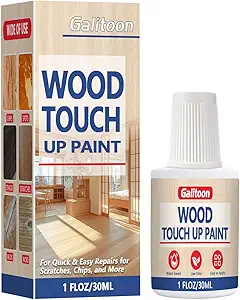
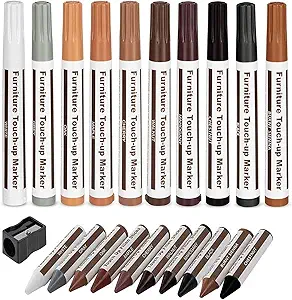
For damage that is a surface mark rather than a groove, a color only product is the simpler tool, and our reviews of the Daixism furniture marker and the Galitoon white wood touch up paint pen cover that end, with more in the scratch covers and removers category.
For floors specifically, where wear and traffic change the requirement, a dedicated kit is a better match, and our write up of the Puyd hardwood floor repair kit covers that. Once a repair is done, restoring the surrounding finish is what makes it invisible, and our review of the Howard Products wood polish and the wood polish category cover that final step.
Who should buy it, who should not
Buy the kit if you have scratches, chips or small holes with depth in furniture, trim, doors or veneer, and you are willing to blend colors and work carefully with heat. Skip it if the damage is a surface scuff where a marker is quicker, if the area takes heavy wear or load where soft wax will not survive, or if you need published ingredient information, because none appears on this listing despite the safety claim it makes.