
Description
What these are, and which regulator covers them
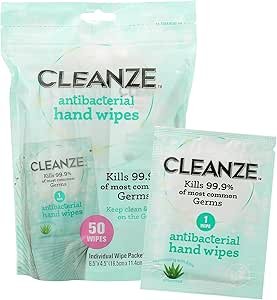
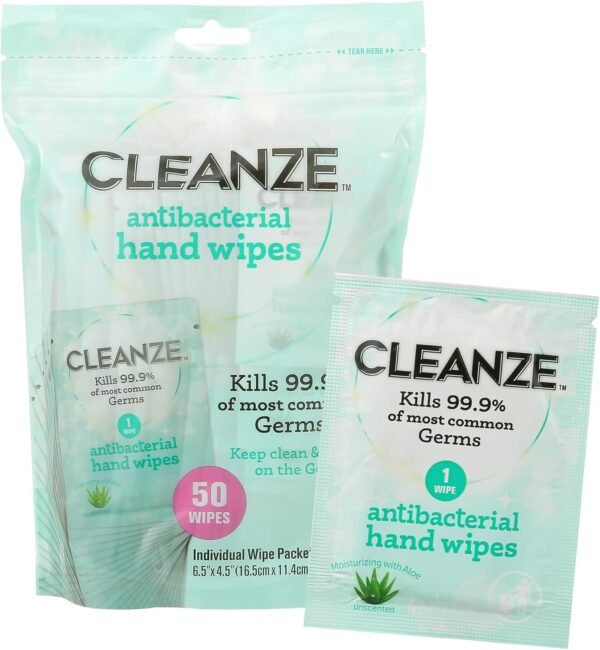
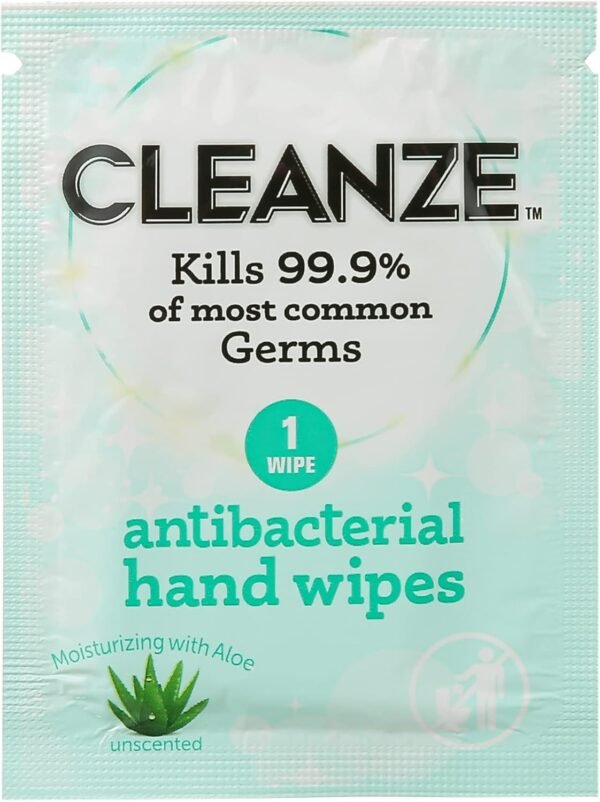
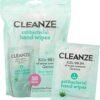
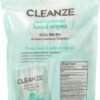
These are individually wrapped hand sanitizing wipes, sold as a 50 count pack, unscented and made with aloe. Each wipe comes in its own sachet, which is the format used when wipes are handed out at an entrance or carried loose in a bag rather than pulled from a tub.
One distinction is worth making at the start because it changes what the claims mean. A product applied to skin to reduce germs is regulated in the United States by the Food and Drug Administration as an over the counter drug, not by the Environmental Protection Agency, which regulates surface disinfectants. This listing states the correct thing for the correct category: it gives an FDA registered over the counter product and a National Drug Code number, 77720-007-01. Publishing that number is a real point in the listing’s favor, and it is the reference a buyer can use to look the product up.
These are for hands. They are not surface disinfectant wipes and no surface claim is made. If you want to wipe down a counter or a shared keyboard, that is a different product entirely and the disinfectant wipes category is where it lives.
The claims, and the ingredient that is missing
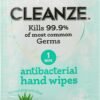
Cleanze states that the wipes kill 99.9 percent of germs on contact, and elsewhere that they kill more than 99.9 percent of most illness causing germs they come into contact with. Those are the manufacturer’s claims and we are not restating them as findings. The company also says the aloe keeps hands from drying out after use.
No active ingredient is named anywhere
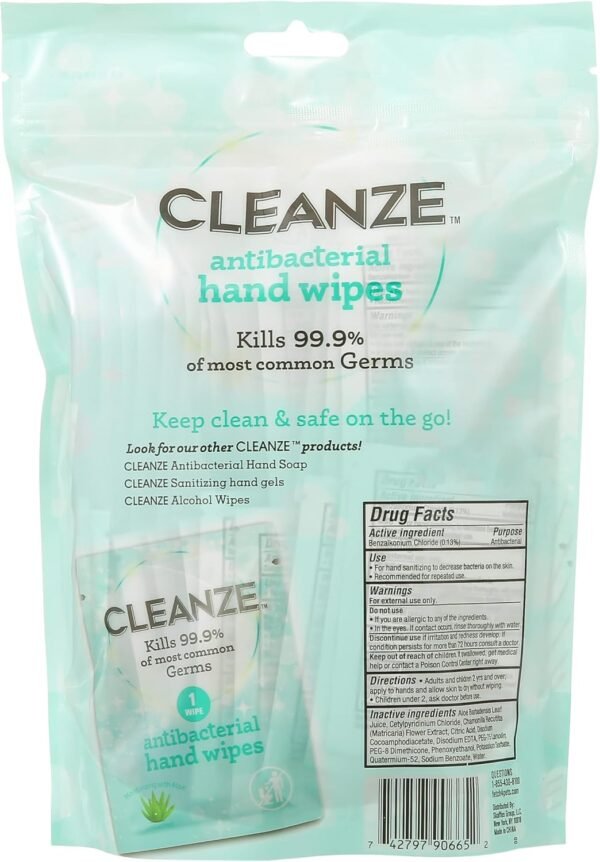
This is the significant gap. An over the counter drug carries a Drug Facts panel that names its active ingredient, and hand sanitizers in this market are built on one of two very different actives: an alcohol, usually ethanol or isopropanol at a stated percentage, or a quaternary compound such as benzalkonium chloride. Those differ in how fast they act, what they are effective against, whether they sting broken skin and, importantly, whether the product is flammable. The listing publishes the NDC number but not the active or its percentage, so read the Drug Facts panel on the pack before you decide how to store it.
Until you have, treat the pack as potentially alcohol based. That means keeping it away from open flame and heat, not leaving it on a dashboard in summer, and keeping it out of reach of children, because alcohol based sanitizer is a genuine ingestion hazard for small children and a 50 count box of individually wrapped sachets is easy for a child to open.
The manufacturer’s own warnings are on the page and worth following: for external use only, do not use if you are allergic to any of the ingredients, and keep out of reach of children. The directions are equally specific: apply to hands and allow the skin to dry without wiping, for adults and children two years and over, with the instruction to ask a doctor before use for children under two.
When a wipe is the right choice, and when it is not
The listing is honest about the product’s place, stating that hand wipes are a good alternative when soap and water are not an option for handwashing. That framing is the correct one and it is worth reinforcing rather than glossing over: washing with soap and running water is the first choice, and a sanitizing wipe is what you use when there is no sink.
Two practical limits follow. Sanitizers work poorly on visibly soiled hands, because dirt and grease physically shield the skin, so a wipe after gardening or a messy meal is doing less than it appears to. And the direction to let the skin dry without wiping is not a suggestion. The contact time is the drying time, and drying hands on a towel or trousers immediately after applying cuts it short. Apply, then leave your hands alone until they are dry.
The listing suggests use after a trip to the store or after playing with pets, and for handing out at entrances, meetings and events. All of those are reasonable. What it does not address is skin condition: repeated sanitizing dries skin, aloe or not, and cracked skin is harder to keep clean than intact skin. If your hands are getting sore, use a moisturizer and use soap and water where you can rather than reaching for more wipes.
One oddity worth recording: the manufacturer field on this record reads Fetch for Pets, which is a pet products company, on a listing for a human hand sanitizing wipe. The product description also ends mid sentence, inviting you to contact the company directly at nothing in particular.
Storage, disposal and handling
Store the box somewhere cool and dry and out of reach of children. If the active turns out to be alcohol based, heat both degrades the product and creates a fire risk, so a hot car glovebox is the wrong place for a box of sachets even though that is exactly where people keep them.
Individually wrapped wipes have one real advantage over a tub: an unopened sachet does not dry out, so the last wipe is as wet as the first. The cost is packaging, since fifty sachets means fifty small wrappers.
Dispose of used wipes in the trash. Do not flush them. The listing does not say this, and it should: wipes of every kind, including small hand wipes, cause drain blockages and are a well documented problem for sewer systems and septic tanks alike.
Never use these alongside another cleaning product. Do not use a sanitizing wipe to clean up a spill of a household cleaner, and do not follow a wipe with a bleach product on the same hands. If the active is a quaternary compound and it meets an anionic soap residue, the two work against each other, and if it is alcohol, mixing it with anything else on skin is simply pointless.
Cost, and the alternatives
Individually wrapped sachets cost more per wipe than a tub or a bottle of gel, and you are paying for the packaging and the portability. That trade makes sense for a bag, a car, a first aid kit or a reception desk, and it makes very little sense as the household default. A pump bottle at the door costs a fraction as much per use.
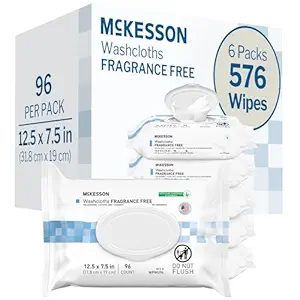
The comparisons on this site include the Deconimo hand sanitizing wipe in the same category, and the Wet Ones personal cleansing wipe, which is the long established brand in this format. For a wipe with a named alcohol content, the Wipex isopropyl alcohol wipe publishes what this one does not, though it is aimed at surfaces rather than skin. For heavy hand cleaning where a sanitizer is the wrong tool, the Grime Boss wipe is a scrubbing wipe, and for body cleaning rather than hands the McKesson adult washcloths are the larger format. Browse the personal cleansing wipes category for the rest.
Who should buy them, and who should not
Buy them if you want individually wrapped sanitizing wipes for a bag, a car or handing out, you want an unscented option, and you value a listing that publishes an FDA registration and an NDC number rather than making claims with nothing behind them. Skip them if you need the active ingredient and its percentage before buying, if the intended user is under two years old, if you have a sink available and would rather use soap and water, or if the packaging waste of fifty individual sachets is a concern. And do not treat them as surface disinfectant wipes, because nothing on this listing supports that use.