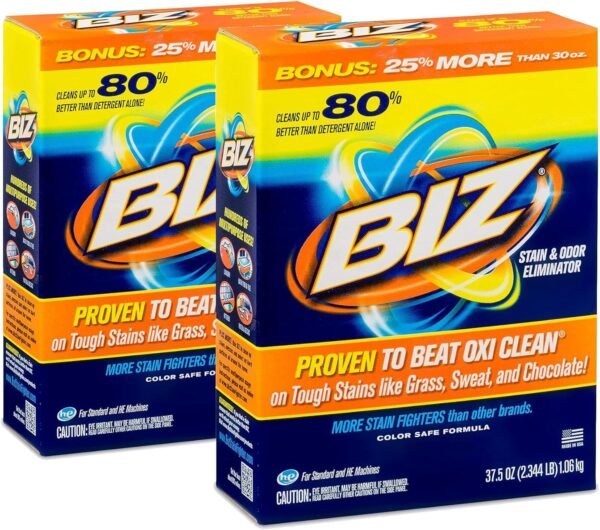
Description
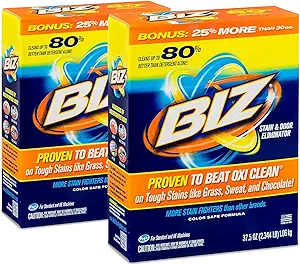
BIZ Powder arrives as two 37.5 ounce cartons of a powdered laundry product that the manufacturer positions three ways at once: as a pre soak, as a pre treatment, and as something added to every wash load alongside your normal detergent. That flexibility is the point of the product, and it is also the thing most likely to be misunderstood, because a booster and a detergent are not the same purchase.
What a laundry booster is for
A booster is added to a wash that already has detergent in it. Its job is to attack the soils a general detergent handles least well, which in practice means protein stains, dye stains and the gray dullness that builds up on white cotton over time. Commercial Brands names grass, sweat and chocolate specifically, and those three are a good shorthand for what the category targets: plant pigment, body soil and a mix of fat, protein and sugar.
The other use is the pre soak, and it is the one most people neglect. A garment left to sit in a solution for an hour or overnight gives the chemistry time to work at a low concentration, which is generally more effective and gentler than scrubbing at a stain in the two minutes before a wash starts. The household this fits is one with children, sports kit, work clothing or white cotton that has gone dull, and a willingness to plan a soak rather than reach for the strongest thing in the cupboard.
The formulation, as far as the listing goes
The listing states that the powder contains enzymes, peroxide, detergents and whitening agents. That is more disclosure than most listings in this catalog manage and it explains the mechanism in general terms: enzymes break down specific soil types such as protein and starch, a peroxide source provides oxygen bleaching that works on colored stains without the harshness of chlorine, and surfactants lift the loosened material away. What is missing is everything quantitative. No enzyme is named, no peroxide compound is identified, no percentages are given and there is no ingredient panel.
Two performance claims need attributing rather than repeating. The manufacturer states the product is proven to beat leading brands on tough stains, and separately that it cleans up to 80 percent better than detergent alone. Neither claim names the brands compared, the test method, the soil types, the wash conditions or who conducted the work. Those are Commercial Brands’ claims about its own product. The specification block, meanwhile, gives a shipped weight of 2.3 pounds for what the title describes as two cartons of 37.5 ounces each, which comes to nearly five pounds of product. Those two figures cannot both be right, and this review will not choose between them.
Why oxygen bleaching matters here
The presence of a peroxide source is the most useful fact on the page, because it sets both the capability and the limits. Oxygen bleaching brightens and lifts colored stains and is generally safe on colorfast fabrics, which is why boosters of this type can go into a colored wash where chlorine bleach cannot. It also works best in warm water and slowly in cold, so a household that washes exclusively cold will see less from it. And it is still a bleaching agent, so a colorfast test on anything dyed and precious remains sensible rather than optional.
Fabrics, machines and what to keep it away from
Cottons, linens, towels, bedding, work clothing and colorfast synthetics are the natural range. Keep it away from wool and silk, which are protein fibers and are the exact material that protein digesting enzymes are designed to break down, and away from anything labeled dry clean only. Leather, anything with a heat applied print, and technical outdoor fabrics with a water repellent finish should also stay out, since the listing gives no guidance on any of them.
In the machine, the powder goes in the drum before the clothes rather than into a dispenser drawer, which is the general rule for powders and particularly for one added on top of a detergent. In a high efficiency machine, resist the temptation to add a booster generously, because low water volume means less rinsing and a residue on fabric is the usual result of overdosing. For a soak, use a plastic bucket or the tub rather than a metal container, and never soak in a metal sink.
Using it safely
The listing publishes no dose, no soak time, no water temperature and no ratio for a pre treatment paste. Those numbers are on the carton and this review will not substitute figures for them. Where the carton is silent on soak duration, start short and repeat rather than leaving something in solution for a day, since prolonged soaking is what damages elastic, prints and trims.
Handle the powder as a chemical rather than as soap. It is dusty, so scoop it without raising a cloud and keep it away from the face, which matters for anyone with a respiratory sensitivity. Wear gloves for a hand soak, because a warm alkaline solution with enzymes in it is not kind to skin over an hour, and rinse any splashes off promptly. Store both cartons closed, dry, off the floor and out of reach of children, and keep the powder away from humidity, since a powder that has caked cannot be dosed accurately.
The mixing rule is not negotiable. Never combine this product with chlorine bleach, in the same scoop, the same bucket or the same load. Mixing a peroxide based product with chlorine bleach wastes both and risks a reaction, and combining any two cleaning chemicals in one container is the habit that causes household chemical injuries. One product in the water at a time, with a rinse between them if you are switching.
Cost per load, and the alternatives
The cost structure of a booster is an addition to your detergent cost rather than a replacement for it, which is the honest way to think about it. Two cartons is a bulk buy, and it is only economical if you actually run soaks and pre treatments rather than buying it and reaching for a spray instead. Storage matters here too, because a powder that clumps in a damp laundry room stops being cheap.
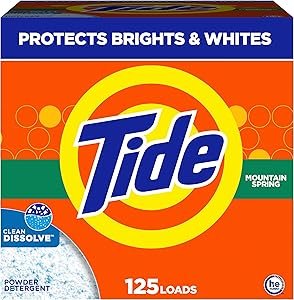
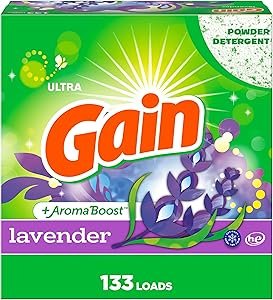
If you would rather have the oxygen bleaching in a single product, our reviews of the Tide powder detergent and the Gain lavender powder detergent cover standalone powders, with more in the powder detergent category.
For a targeted approach on an individual stain rather than a whole load, a sprayed pre treatment reaches the fibers directly, and our write up of the Vanish pre treat stain remover covers that. For whole garment soaking with a single ingredient you can dose precisely, the sodium percarbonate stain remover is the simpler chemistry, and the stain removers category collects the options.
Who should buy it, who should not
Buy the two carton pack if you deal with protein and pigment stains regularly, you will use it as a soak rather than only as a scoop in the drum, and you have dry storage. Skip it if you expected a standalone detergent, if you wash wool or silk, or if you wash exclusively in cold water where oxygen bleaching works slowly. The claims on this page are strong and unsourced, and the shipping weight contradicts the stated pack size, so buy it for the mechanism rather than for the numbers.