



Description
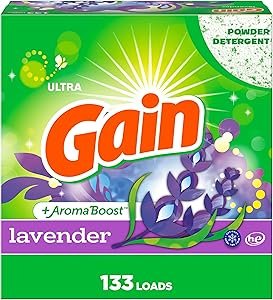
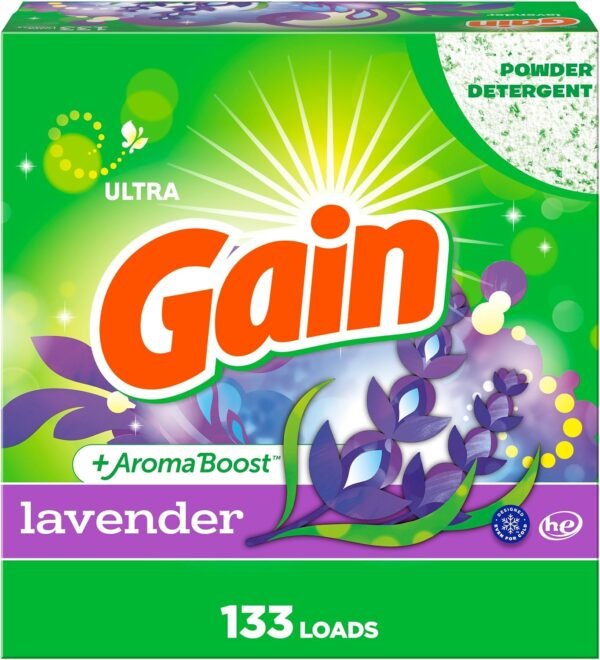
Gain Powder Laundry Detergent in Lavender is a 123 ounce carton rated by Procter and Gamble at 133 loads. Powder is the format most households have stopped thinking about, which is a shame, because it still has real advantages in specific conditions and specific machines. The question this review works through is whether your water, your machine and your laundry are the ones where powder wins.
The washing this powder is aimed at
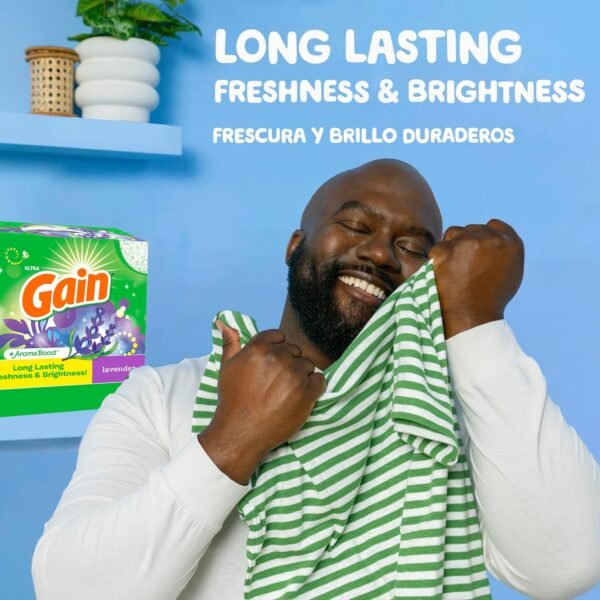
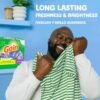
Gain sells this line on scent as much as on cleaning. The description leads with long lasting freshness and brightness, names AromaBoost as the fragrance technology, and describes the lavender scent as carrying hints of fresh jasmine and orange flower. Procter and Gamble states the scent lasts for weeks after washing. That is the manufacturer’s claim and it is the central proposition of the product: this is a detergent bought by people who want laundry to smell strongly of something specific.
What powder does differently, and what the listing says about the formula
Powder and liquid detergents are built differently. Powders are generally better suited to carrying alkaline builders and water softening agents that do not sit stably in a liquid, which is why powder has a long standing reputation in hard water areas and on heavily soiled cotton. Liquids dissolve faster and are easier to dose in cold water. Those are the tradeoffs in general terms, and it is important to be clear that the listing itself confirms none of them for this specific product.
What the page publishes is thin. There is no ingredient statement, no builder named, no surfactant, no enzyme list and no percentage of anything. The specification block carries package dimensions, a shipping weight of about eight and a half pounds, a model number, a first availability date of January 2025, the manufacturer name, and ranking data placing it 25th among powder laundry detergents. Procter and Gamble publishes ingredient information for its laundry products elsewhere and on the packaging, and that is where a reader with an ingredient question should go. This review will not name a component the listing does not name.
What AromaBoost is, and is not, on this page
AromaBoost is a Procter and Gamble brand term for the fragrance system in the Gain range. The listing uses it to explain why the scent is expected to last, but it does not define the technology, disclose the fragrance ingredients, or state how long weeks means in a controlled test. Fragrance is also the component most likely to matter to a household member with a sensitivity, and it is the one this listing describes at length while disclosing nothing. Anyone who needs to know what is in the perfume should read the carton and the manufacturer’s published ingredient information.
Machines and water temperature
The listing states the powder is safe for regular and high efficiency washing machines. That is the compatibility statement that matters most, because a high efficiency machine uses much less water and a detergent that does not dissolve fully in a low water wash leaves residue on fabric. The stated dosing method is simple: add the powder to the drum, add clothes, start the wash. Adding powder to the drum rather than to a dispenser drawer is the more reliable route in most machines, since powder is the format most likely to cake in a drawer and never reach the wash.
Water temperature is the real limitation of powder and the listing does not address it. Powders dissolve more slowly in cold water than liquids do, and undissolved powder can leave white marks on dark fabric or grit in a seam. If your household washes cold as a rule, either dissolve the powder in warm water before adding it, or run a warmer cycle for the loads where residue would show. This is a general property of the format rather than a defect specific to Gain, and the manufacturer offers no cold water guidance on this page.
Dosing, storage and the safety points
At 123 ounces and 133 loads the intended dose is a little under one ounce per load, which is a modest scoop. The listing gives no scoop measurement, no soil level adjustment and no hard water adjustment, so the printed instructions on the carton are the reference. Overdosing powder is expensive and leaves residue; underdosing on a full load of towels shows up as gray, stiff results over months rather than immediately.
Storage is the format’s weak point and deserves attention on a carton this size. Powder absorbs moisture from the air, and a carton stored in a humid laundry room or an unheated garage will clump, at which point dosing becomes guesswork and dissolution gets worse. Keep it closed, off the floor, somewhere dry and at room temperature. If the carton has already hardened, breaking up the lumps before dosing is better than tipping a solid block into the drum.
Two safety points apply. Powder detergent is dusty by nature, so avoid scooping in a way that raises a cloud, and keep the carton away from the face, particularly for anyone with a respiratory sensitivity. And as with every laundry product, do not mix it with chlorine bleach in the same scoop or container. If a load calls for bleach, add it through the machine’s bleach dispenser or to the water separately according to the bleach label. Store the carton out of reach of children alongside the rest of the cleaning supplies.
Cost per load, and what else to consider
Powder tends to compare well on cost per load, and the 123 ounce carton at 133 loads gives you the number you need to make that comparison against any liquid you are considering. The saving is only real if the dose is measured, and it disappears entirely if a damp storage spot turns half the carton into a brick. Format discipline, not brand choice, is what determines whether powder is the economical option in a given house.
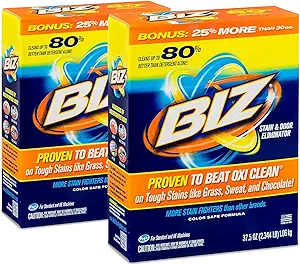
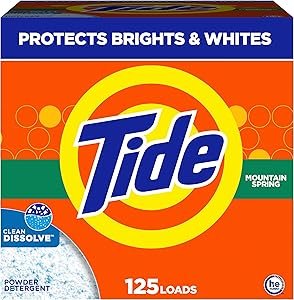
For a direct powder comparison, our review of the Tide powder detergent covers the other large brand in the format, and the Biz powder detergent takes the stain focused approach rather than the fragrance one. The powder detergent category lists them together for anyone weighing the format itself.
If the scent is the reason you are here, it can be bought separately and added to any detergent, which gives more control over intensity. Our write ups of the Gain Fireworks in wash scent beads and the wider fabric deodorizer category cover that route, and Procter and Gamble suggests exactly that pairing in its own description. If measuring a scoop is the part you want to avoid, a dosed format such as the Gain laundry detergent pacs removes it, provided the pacs are stored out of reach of children and handled only with dry hands.
Who should buy it, who should not
Buy this carton if you wash frequently, store detergent somewhere dry, run warm or mixed temperature cycles, and want a strong lavender scent on your laundry. Skip it if anyone in the household avoids fragrance, if you wash exclusively cold and would rather not manage powder dissolution, or if your only storage space is damp. The load count is generous and the format has genuine strengths, but the listing sells the scent and stays silent on the chemistry.