Description
Start here: this is a food ingredient, not a laundry product
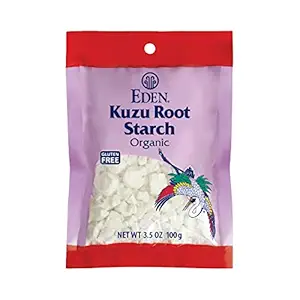
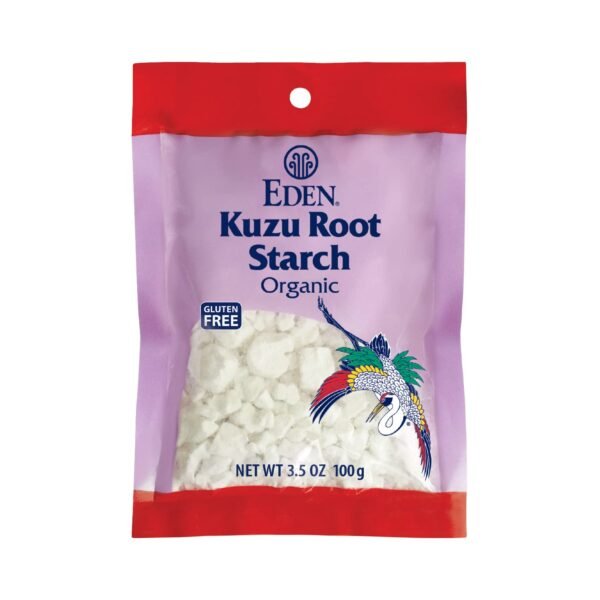
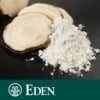
Eden Kuzu Root Starch is a culinary thickener. It is a 3.5 ounce (100 gram) package of organic starch milled from the root of the kuzu vine, sold for cooking, and it has arrived on this page because of how the retailer’s own catalog is organized. Its category path runs through Health and Household, Household Supplies, Laundry, and then Starch and Anti static Sprays, and the retailer currently ranks it 38th in that starch chart. The word starch is doing all the work in that classification, and it is the wrong word. Laundry starch is a sizing agent you spray or soak into fabric to stiffen it. Kuzu is something you stir into a sauce.
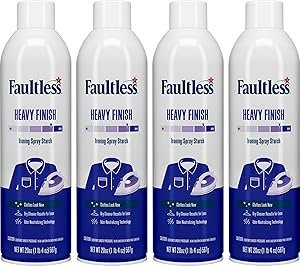
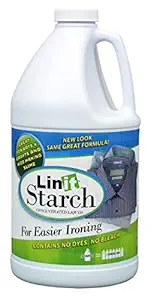
We do not remove products from the catalog, so the honest thing to do is say clearly what this is, tell you what it is good at, and point you to the laundry products you were probably looking for. If you came here for a garment finishing spray, go straight to the starch and anti static sprays shelf, where the Faultless spray starch and the Linit liquid starch are the products that actually do that job.
What kuzu is and how it behaves
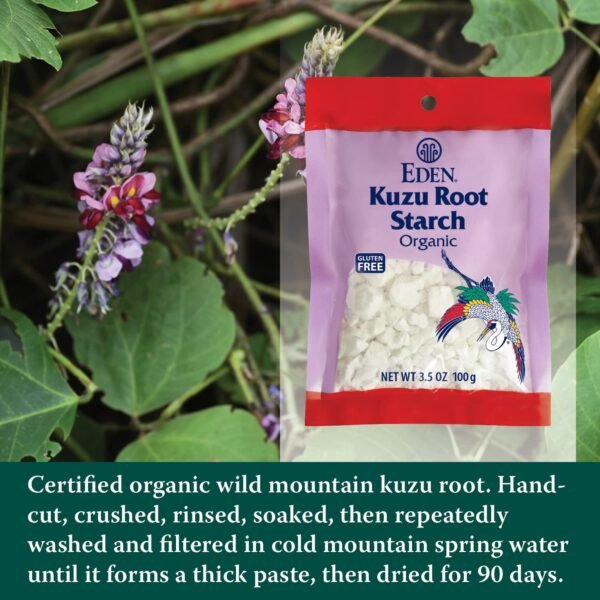
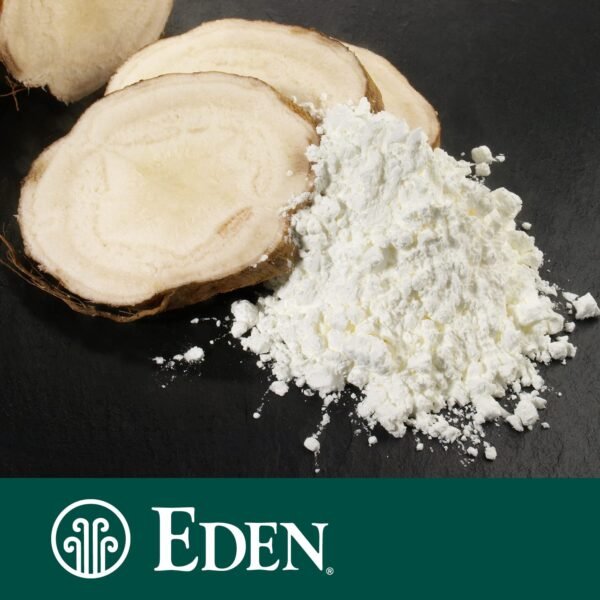
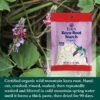
Eden describes kuzu as a starch extracted from the roots of Pueraria lobata, a fibrous climbing vine whose roots are among the largest of any plant, given in the listing as three to seven feet long and 200 to over 400 pounds. The company states the roots are hand harvested from December to March, hand cut, crushed, soaked and repeatedly washed and filtered in cold spring water until only white starch remains, then dried naturally for 90 days before packing. That is the manufacturer’s account of its own process, and it explains the price position of the product relative to industrial corn or potato starch.
What the starch actually does in a pan
Eden states that kuzu binds more strongly than arrowroot, dissolves quickly in cold liquid, has no perceptible taste, is very low in calories, and is free of fat and sodium. The handling instruction is the useful part and it is the same rule that governs every root starch: dissolve it in a cold liquid first, then add it to anything hot, and stir constantly while heating until the milky white liquid turns clear. Dropping dry starch into hot liquid produces lumps that no amount of whisking recovers. The clear point is the visual cue that the starch has gelatinized and the sauce has reached its final thickness.
Eden also repeats a traditional framing, that kuzu was praised in Japanese poetry and legend as a bracing health food for over a thousand years and used in China as a food for more than 2,000 years. That is cultural history as the manufacturer tells it. It is not a health claim we make or endorse, and nothing here should be read as a statement about what this starch does for anybody’s health.
Compatibility, in the kitchen sense
Since this is a cooking ingredient, the compatibility question is about recipes rather than surfaces. Kuzu suits clear sauces, glazes, fruit fillings, puddings and thickened broths where you want gloss and transparency rather than the cloudy body that flour gives. Because Eden says it binds more strongly than arrowroot, a straight one for one substitution will overthicken; start below the quantity your recipe specifies for another starch and add more once the mixture has cleared. Like other root starches it does not tolerate prolonged hard boiling well, and it is not a substitute for flour in baking, where the gluten and protein are doing something starch cannot.
Under no circumstances should this be used as a laundry starch. It is packaged as food, it carries no sizing agents, no anti static additives and no propellant, and dissolving a food starch into fabric leaves a residue that attracts insects and grows mold. If crisp collars are the goal, use a product designed for it, such as the Faultless laundry starch spray four pack, which is formulated to release cleanly in the next wash.
Storage, handling and the labeling you should read
Store the package sealed, dry and away from heat, exactly as you would any pantry starch. Moisture is the enemy: kuzu absorbs it readily, and a damp package clumps and can spoil. Use a dry spoon every time. Keep it away from the cupboard where cleaning chemicals live, which is a general rule worth stating on a site like this one, because a food package sitting next to a bleach or ammonia product is a labeling accident waiting to happen. Nothing about this product should ever be combined with a household cleaner.
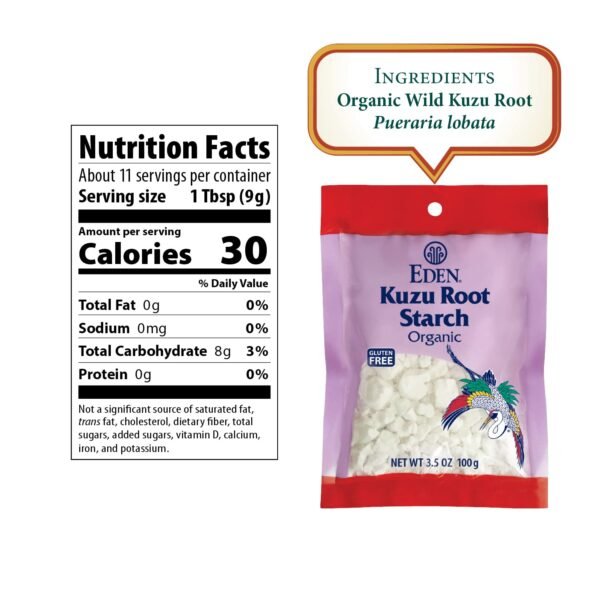
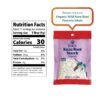
The allergen and nutrition information that governs a food sold in the United States is printed on the package, not in this listing, and it is the authoritative source. Eden gives a UPC of 024182300116 and lists the product as organic; the certifying body is not named in the listing text captured here, so check the seal on the package if organic certification is the reason you are buying.
What this costs, and what to buy instead depending on your goal
A 3.5 ounce package is a small quantity by starch standards, and hand harvested kuzu is not competing on cost with a canister of cornstarch. It is competing on texture and on provenance, and only you can judge whether those are worth it. Used at the rate a sauce needs, one package covers a lot of meals, so the cost per use is lower than the shelf price suggests.
If your real errand was laundry, our laundry section is the right place to start rather than this page. If your errand was food safety in the kitchen rather than cooking, note that this catalog does carry two produce washes, the Fit Organic fruit and vegetable wash and the Young Living fruit and vegetable soak, which are the other two entries here that touch food rather than fabric.
Two oddities in the record are worth flagging plainly. The Department field on this listing reads “men, women, unisex adult”, which is an apparel attribute applied to a food item and is meaningless here. The model number field contains the text “Package Quantity: 3.5 oz (100 g)” rather than an actual model number, which is why the product slug on this site carries that phrase. Neither affects the product; both show that the imported catalog data for this item was never cleaned.
Who this is for
Buy it if you cook and you want a fine, fast dissolving root starch for clear sauces and glazes, and you value the hand processed sourcing Eden describes. Do not buy it for laundry under any circumstances, do not substitute it one for one for arrowroot or cornstarch without adjusting downward, and do not read the traditional health framing in the listing as a claim about what it will do for you.