

Description
What a liquid metal polish is for
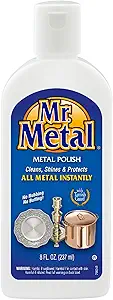
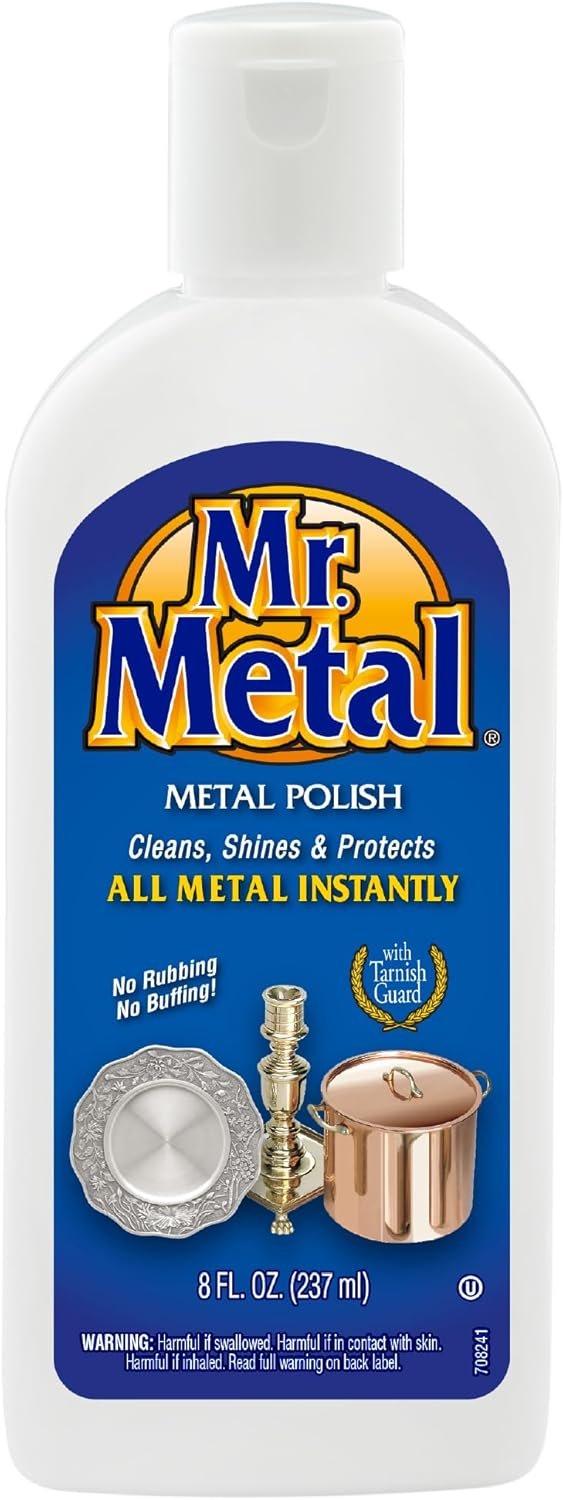
Mr. Metal sells this as an 8 ounce liquid multipurpose metal polish and tarnish remover, model number 707284, listed since May 2008 and made in the United States. Amazon places it 31,256th in Health and Household and 45th among household cleaning metal polishes.
The job is tarnish, not dirt. Tarnish is a chemical change on the surface of a metal: silver reacts with sulfur compounds in the air to form silver sulfide, copper and brass form oxides and carbonates, and the result is the dark or dull film that no amount of washing removes. A metal polish attacks that layer chemically, mechanically, or both, and takes a thin skin of metal with it.
That last point is the one to hold onto through everything else. Every time you polish a metal object you remove some of it. That is fine on solid brass and solid silver, and it is a slow countdown on anything plated, because plating is measured in microns and there is a finite number of polishes in it.
The formula, which the listing does not describe
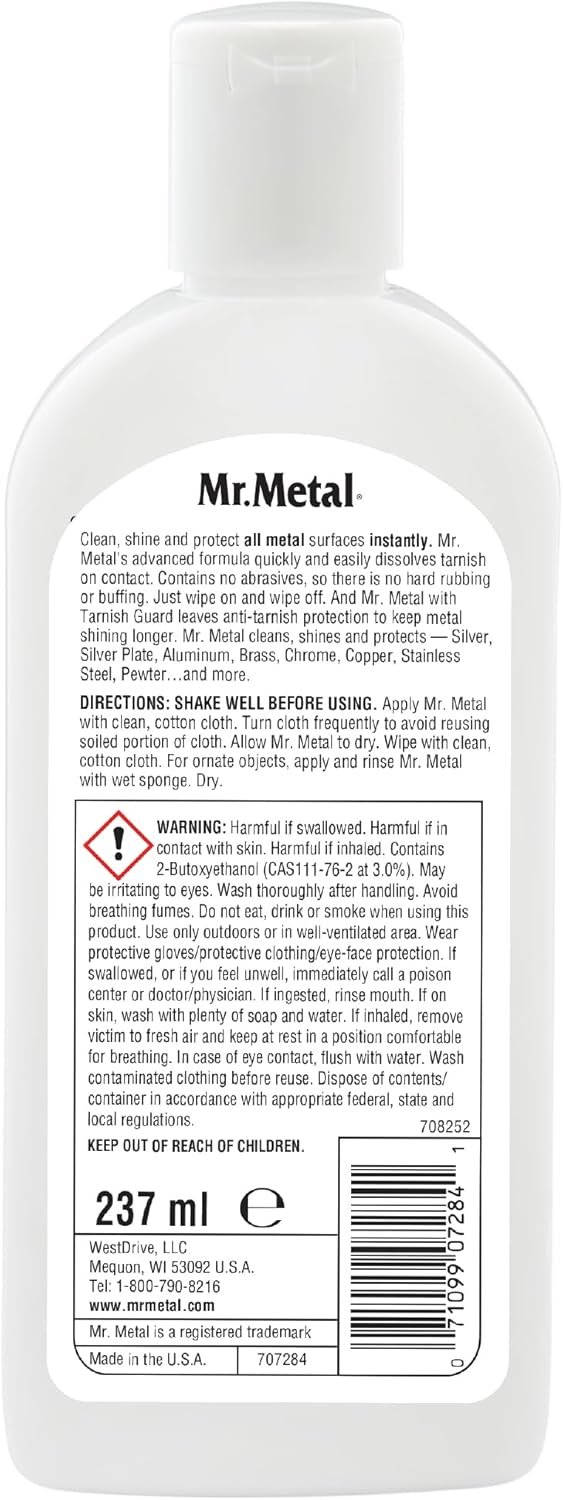
The description field is empty. There is no ingredient statement, no active named, no pH figure and no safety data reference. The only chemical claim on the page is that the polish is non abrasive.
That claim is useful as far as it goes. A non abrasive polish works chemically rather than by grinding, which is why it can be wiped on and off without buffing, and why it is safer on detailed and engraved work where an abrasive paste packs into the recesses and dulls them. But a chemical tarnish remover is doing something, and products in this class are commonly built on acids or on sulfur binding compounds. This listing names neither, so a buyer cannot tell what is on the cloth or what it will do to an unexpected surface.
The product title also promises immediate results on sterling silver. Take that as marketing wording rather than a specification, since no working time is given anywhere.
The claim to check on the bottle
Two of the feature bullets say the polish is safe on clear coated metals and on antique or heirloom pieces. Both deserve scrutiny before you act on them.
Clear coated metal is metal sealed under a lacquer, which is what stops brass fixtures and some jewelry from tarnishing in the first place. A tarnish remover has nothing to work on there, because the lacquer is between the chemistry and the metal, and many products in this class cloud, soften or lift lacquer. If the finish is intact, clean it with soap and water. If the finish is failing, polishing will produce a patchy result until the remaining lacquer is stripped.
Antiques are a different problem. Patina on old silver, brass and bronze is often part of what the object is worth, and a polish cannot distinguish patina you want from tarnish you do not. Removing it from a collectible piece can reduce its value permanently. If a piece has any value beyond the sentimental, ask someone who deals in it before touching it with anything.
Metals it suits, and the ones to keep it away from
Mr. Metal names sterling silver, brass, chrome, copper, aluminum and more. Chrome and stainless are the least risky of those, since both are hard and durable. Solid brass and copper respond well. Sterling silver is the classic use.
Keep it off silver plate that is already showing base metal at the wear points, because further polishing removes what is left. Keep it off gold plate and gold filled jewelry for the same reason. Keep it away from soft or porous set stones, since pearls, opals, turquoise, coral and amber are damaged by cleaning chemicals and by the moisture that carries them, and any adhesive holding a stone can be attacked as well. Keep it off anodized aluminum, where the color is a surface layer, and off painted or powder coated metal entirely.
For anything that touches food, wash the item thoroughly with soap and water and dry it after polishing. Cutlery, serving dishes and cookware should never go back into use carrying polish residue.
Using it, and the safety points the listing skips
Work in a ventilated space, wear gloves, and keep the liquid off skin and out of eyes. Use a soft cloth rather than a scouring pad, and change to a clean part of the cloth as it darkens, because a cloth loaded with removed tarnish is dragging that residue back across the surface.
Test on an out of sight area of every new object. Polish, wipe, look. Then repeat only if the tarnish needs it, rather than working the whole piece twice by default.
Never mix this with any other cleaner in a bowl or on a surface, and never combine it with a chlorine bleach product. With no ingredients published, there is no way to reason about what would react, and tarnish removers are not a class to experiment with. Store it capped and upright, out of reach of children, away from heat and away from other chemicals on the same shelf.
One specification note: the title gives 8 ounces and the product dimensions field also gives 8 ounces as the weight. If the first figure is fluid ounces, the bottle and its contents together should weigh more than that, so one of the two numbers is being reported wrongly. The Department field, meanwhile, reads Unisex Adult, which is a clothing catalog artifact and means nothing on a metal polish.
Cost, coverage and the alternatives
An 8 ounce bottle of a wipe on liquid goes a long way, because polish is applied a few drops at a time onto a cloth rather than poured. The cost question is really about frequency: a protective film that genuinely slows retarnishing, as this listing claims, means fewer sessions per year, and fewer sessions means less metal removed over the life of the object.
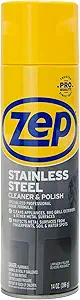
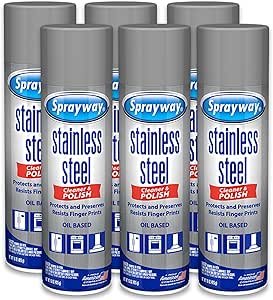
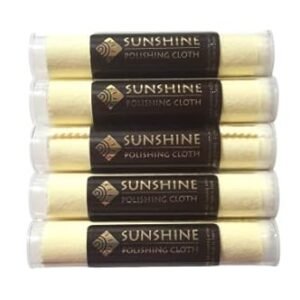
Match the alternative to the metal. For appliance fronts and stainless where the problem is fingerprints and streaks rather than tarnish, a dedicated product such as the Zep stainless steel cleaner or the Sprayway stainless steel cleaner is the right tool and costs less per use. For jewelry and small silver, an impregnated cloth like the Sunshine polishing cloth gives far more control than a liquid. For a burned pan rather than a tarnished one, an abrasive powder such as the Bar Keepers Friend powder cleanser is the correct chemistry. Browse the aisle under metal polishes or the broader range under all purpose cleaners.
Who should buy it and who should not
Buy it if you have a mixed collection of tarnished metal, silver, brass, copper and chrome, and you want one non abrasive liquid that handles all of it without buffing. The wipe on and wipe off method suits detailed work where a paste would clog.
Do not buy it if your items are lacquered, plated thin, or antique pieces whose patina is part of their value. Do not use it near set stones. And do not treat the safe on clear coated metals bullet as settled, because the listing names no ingredient that would let anyone verify it.