




Description
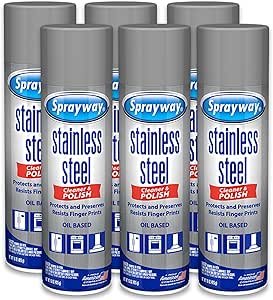
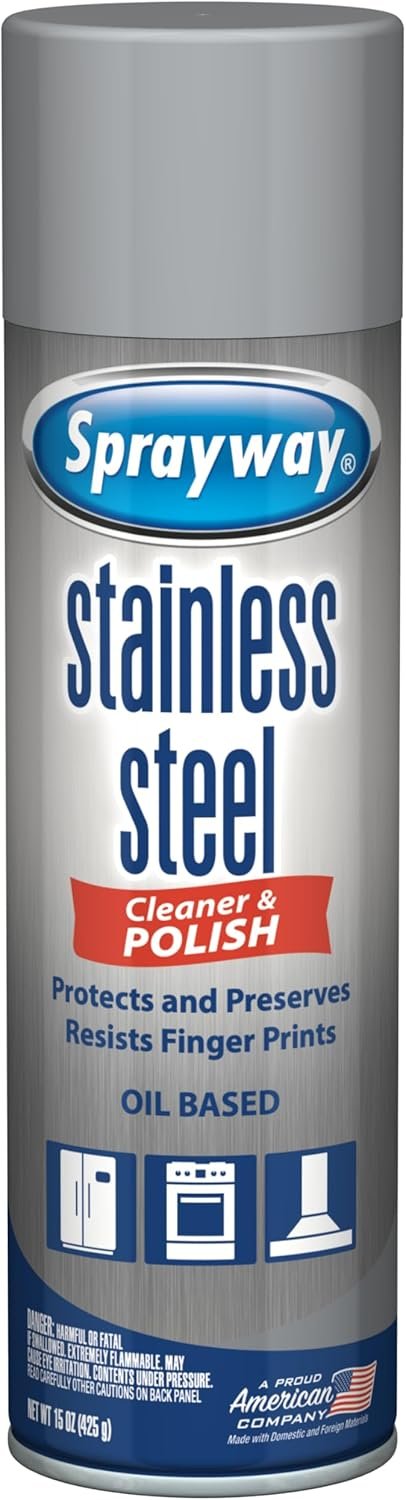
Sprayway Stainless Steel Cleaner is an oil based aerosol sold here as a pack of six fifteen ounce cans, ninety fluid ounces in total, unscented. It cleans, polishes and leaves a coating in one pass, and the oil base is the fact that decides where it belongs and where it does not.
Why stainless steel needs a specific product
Stainless steel appliances have a brushed finish, and two things spoil them. The first is fingerprints, because the oils on skin sit on the surface and catch light. The second is streaking, which happens when a water based cleaner dries unevenly across a directional grain. Neither is dirt in the ordinary sense, which is why a general purpose spray so often leaves an appliance looking worse than before.
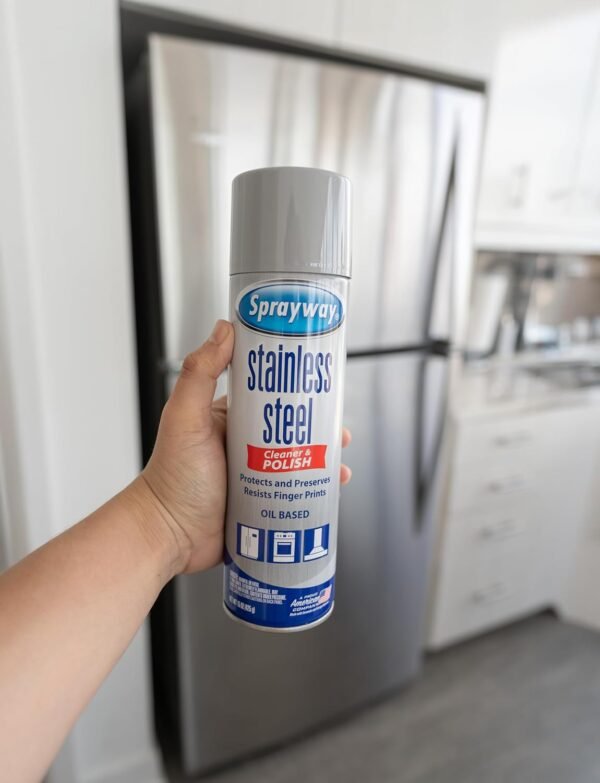
An oil based product addresses both at once. It lifts the existing marks, then leaves a very thin film that fills the microscopic texture of the brushed finish, so the surface reflects evenly and new fingerprints show less. Sprayway describes exactly that: cleans and coats to protect and enhance the appearance. The household this fits has a stainless refrigerator, range or dishwasher front, and is tired of a cleaner that leaves smears.
What the oil base means in practice
The coating is the point and it is also the constraint. An oil film attracts dust over time and can build up if the product is over applied, which shows as a dull or patchy look after several weeks. The remedy is a very light application and a thorough buff rather than more product, and an occasional wipe with a barely damp cloth to reset the surface before reapplying.
It also has consequences for where the product should not go. An oil film on a floor or in a sink basin is a slip hazard, and the specification block on this listing carries an instructions field naming dishwasher, refrigerator and sink. A sink is worth thinking about carefully: the exterior of a sink is one thing, but the bowl itself is a wet, walked past, food contact area, and an oil coating there is neither wanted nor safe. Keep this to vertical appliance panels and exterior surfaces, and keep it off any surface that touches food, off cooking surfaces, and off the interior of anything.
The foaming action, and how to use it
Sprayway describes a foaming action, which exists so the product clings to a vertical door rather than running to the floor. That is genuinely useful on a refrigerator front. The method that follows is spray sparingly, wipe with a clean soft cloth in the direction of the grain, then buff dry with a second clean cloth. Wiping across the grain is the most common mistake and it is what leaves the visible streaks people blame on the product. The listing gives no dwell time and no coverage figure, so a light pass and a thorough buff is the safe default.
Aerosol safety, which the listing does not address
This is an aerosol and the page publishes no hazard information at all: no flammability statement, no ingredient list, no propellant named and no warnings. That absence is not evidence of safety. Aerosol cleaners are pressurized and many are flammable, and an oil based one deserves particular care around a kitchen.
Handle it accordingly. Do not spray near an open flame, a lit burner, a pilot light or any ignition source, and do not use it on a hot appliance surface. Do not spray it into a hot oven or onto a range top that has just been used. Ventilate the room, because aerosol droplets stay airborne and a kitchen is often a small space, and avoid spraying toward your face. Better still, spray onto the cloth rather than onto the appliance, which reduces the airborne fraction and gives you far more control over how much goes on.
Store the cans upright at room temperature, out of direct sunlight, and never in a car or anywhere that gets hot, since heat raises the internal pressure. Never puncture or incinerate a can even when it feels empty, and dispose of cans according to your local rules for pressurized containers rather than crushing them into household trash. Keep them out of reach of children. And never mix this with another cleaner on the same surface: rinse or wipe a surface clean of any previous product before applying an oil based coating, and never combine cleaning products in a container.
Where it works and where to use something else
Stainless appliance doors, range hoods, appliance handles, elevator style panels and stainless trim are the natural range. On those, the coating does real work and the finish looks consistent.
Use something else on the inside of appliances, on cooktops and grill surfaces that get hot, on any food preparation surface, on glass, and on the sink bowl. Stainless cookware is another case for a different product, since an oil coating on a pan exterior burns onto the metal the next time it is heated. If the surface has burnt on residue or hard water marks rather than fingerprints, a polish is the wrong class of product and you need a cleaner first.
Cost, and the alternatives
Six cans is a bulk purchase and ninety ounces is a lot of stainless cleaner for a domestic kitchen with two or three appliance fronts. This quantity suits a commercial kitchen, a property manager or a household that has decided this is the product it uses. Aerosols also have a shelf life consideration: they do not spoil quickly, but a can that sits for years can lose pressure, so buying six is a commitment.
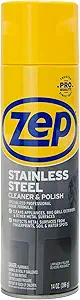
For a non aerosol comparison, our review of the Zep stainless steel cleaner covers the same job in a trigger bottle, which removes the pressurized can question entirely. For heavier cleaning before polishing, our write up of the Bar Keepers Friend powder cleanser covers an abrasive that suits stainless sinks and cookware, though it should be kept off brushed appliance panels.
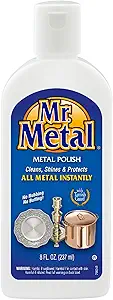
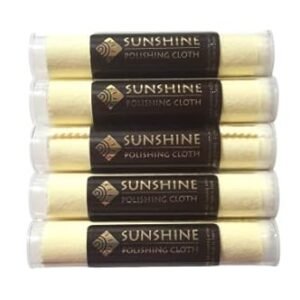
For other metals around the house, our reviews of the Mr Metal polish and the Sunshine polishing cloths cover brass, copper and small items, with more in the metal polishes category. For general surfaces where a coating is not wanted at all, the all purpose cleaners category is the right place to start.
Who should buy it, who should not
Buy the six pack if you maintain several stainless appliance fronts, you want the fingerprint resisting coating, and you have somewhere cool to store six pressurized cans. Skip it if you only own one appliance, where six cans is far too much, or if you would rather avoid an aerosol in a kitchen. And disregard the sink suggestion in the specification field: an oil coating does not belong in a basin you wash food in.