
Description
A foaming shower cleaner and the job it is built for
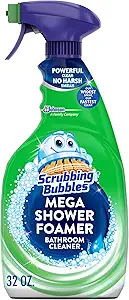
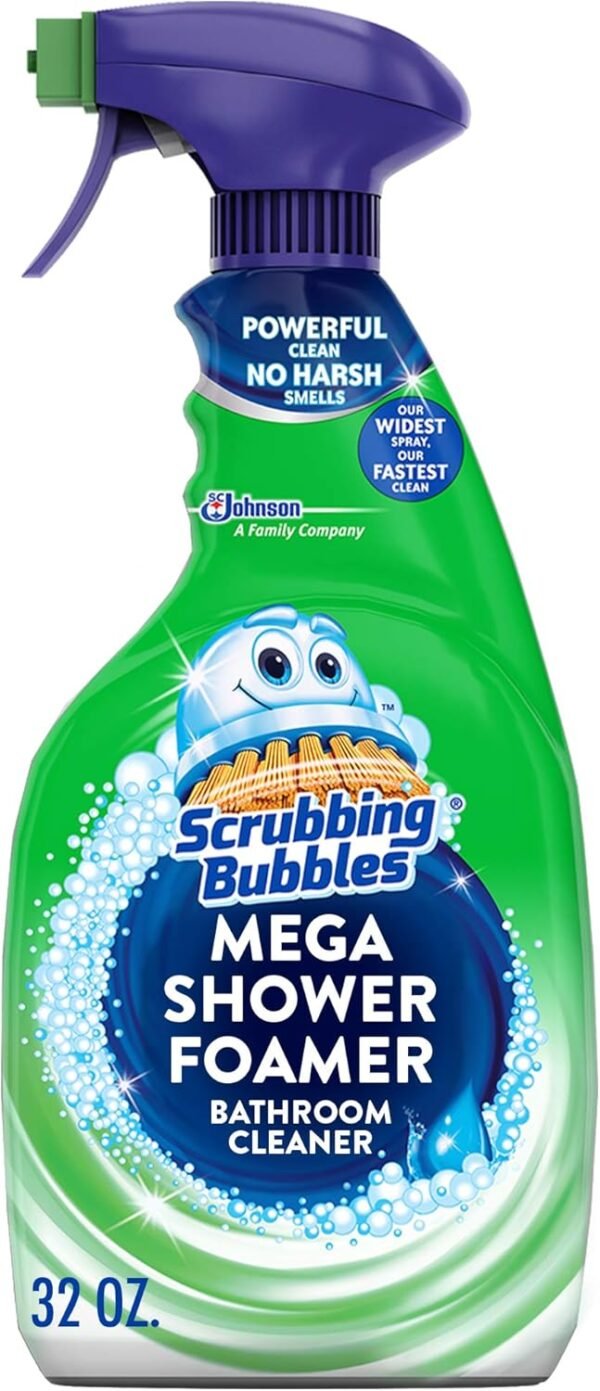
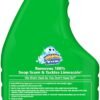
Scrubbing Bubbles Mega Bathroom and Shower Cleaner is SC Johnson’s 32 ounce trigger bottle in the Rainshower scent, model 71016. The Mega in the name refers to the nozzle rather than the bottle: the listing describes an adjustable wide spray head designed to cover a tub, a tile wall or a shower door in a few passes rather than in twenty small squirts.
The job is soap scum and limescale, which are two different deposits that happen to live in the same place. Soap scum is the greyish film that forms when soap reacts with minerals in water and settles on tile, glass and tub surfaces. Limescale is a hard mineral deposit left as water evaporates. A bathroom cleaner has to handle both, and they generally respond to different chemistry, which is why bathroom products are formulated differently from kitchen ones.
SC Johnson positions this as the periodic deep clean and its own daily shower spray as the maintenance product between deep cleans. That is a fair description of how bathroom cleaning actually works. A daily spray after showering keeps film from building, and a foaming cleaner deals with what has already built up.
What the listing claims and what it leaves out
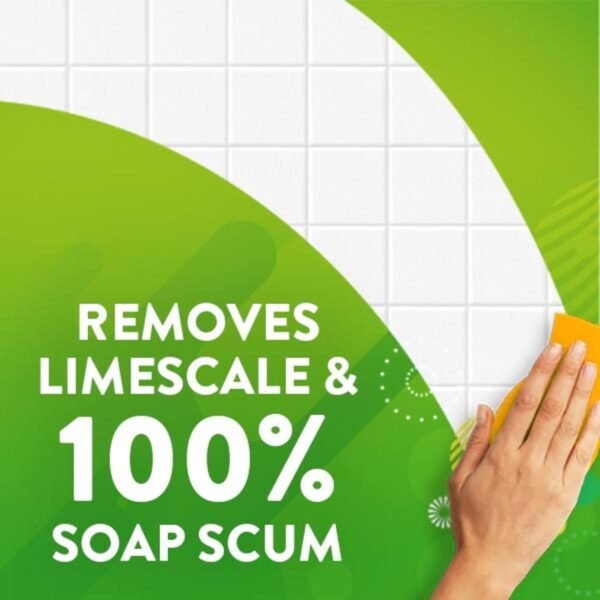
The headline claim is that the cleaner removes one hundred percent of soap scum and tackles limescale. One hundred percent is an absolute, and it is SC Johnson’s claim rather than a measured result reported here. No test method, surface type or timeframe is published alongside it, so read it as advertising language and expect real world results to depend on how thick the buildup is and how long the product is left to work.
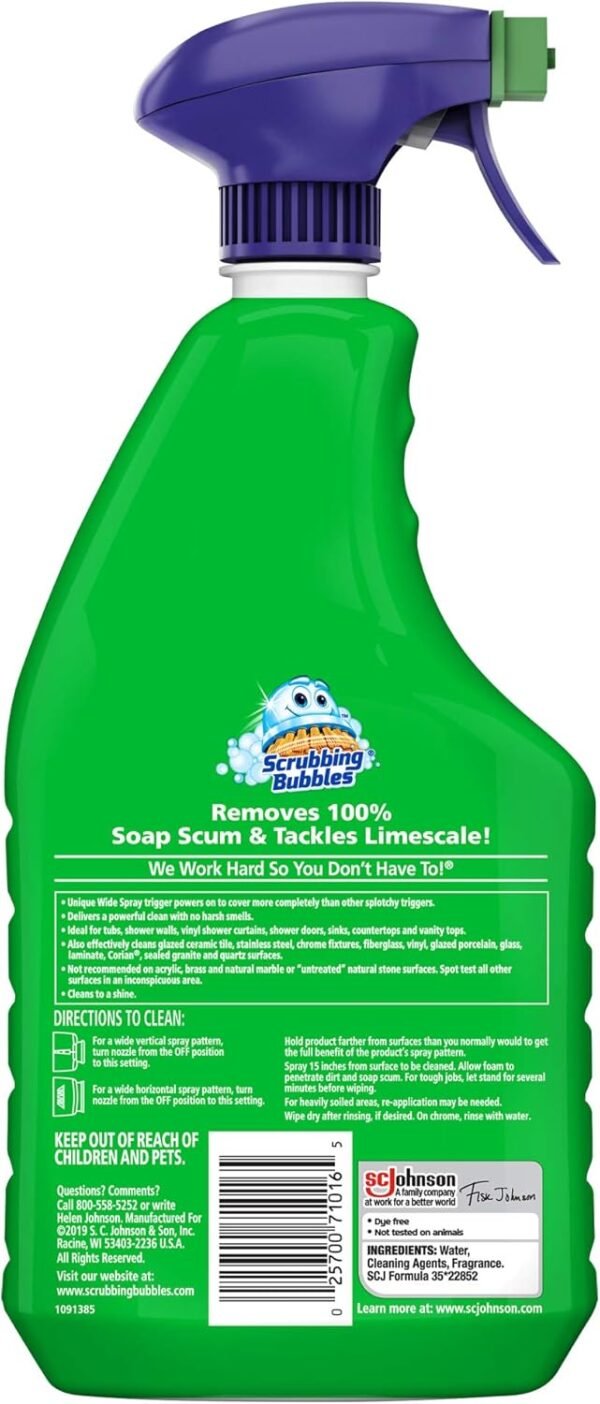
There is no ingredient list on this listing. No acid is named, no surfactant is identified, no chelating agent is disclosed and no pH is given. That is worth noting because limescale is normally removed by acid and soap scum by a combination of surfactant and acid, and knowing whether a product is acidic changes which surfaces it is safe on. The bottle label is the only place to check.
The listing does make a well constructed packaging claim, which is unusual enough to point out. It states the bottle is made from one hundred percent recycled content, excluding the dye, trigger and label. That qualification is exactly the kind of specificity that makes an environmental claim meaningful rather than decorative, and it is a better piece of disclosure than most listings in this catalog manage.
The surface list, and the omission in it
SC Johnson publishes an unusually detailed compatibility list: ceramic tile, stainless steel, chrome fixtures, fiberglass, vinyl, glazed porcelain, glass, laminate, Corian, sealed granite and quartz. Tubs, shower walls, shower doors, sinks, countertops and vanity tops are named as locations.
What is absent from that list matters as much as what is on it. Marble, limestone and travertine do not appear, and neither does unsealed granite, unsealed grout or natural stone generally. Those are calcium based stones that etch permanently on contact with acid, and etching cannot be polished out at home. If your bathroom has a marble threshold, a limestone floor or an unsealed stone vanity, keep this product off it and use a stone specific product such as the Bar Keepers Friend stone cleaner instead. Brass, copper and aluminum fittings are also absent from the approved list and should be tested first or avoided.
How to use it properly, and the safety points
Foaming cleaners work by clinging to a vertical surface long enough to act. That means dwell time is the whole technique. Spray, leave it for the period the label specifies, then rinse or wipe. Spraying and immediately wiping wastes most of the product, which is the single most common mistake with any bathroom foamer.
Work from the bottom of a shower wall upward when applying and from the top downward when rinsing, so that runs do not leave clean streaks through dirty areas. Rinse thoroughly, particularly on a tub floor, since any cleaning residue left on a wet surface is slippery.
Ventilate. A bathroom is small, often has no opening window, and a wide spray nozzle puts a lot of aerosolized liquid into the air. Run the extractor or open the door, and avoid spraying at head height where mist reaches eyes and airways. Wear gloves for a long session and wash hands afterward.
The mixing rule is critical in a bathroom and it is worth stating in full. Never combine this with another cleaning product. Do not use it on a surface that has just been treated with a chlorine bleach product, do not use it in a bowl or on a surface holding a toilet cleaner, and never mix bleach with an acid or with an ammonia based cleaner anywhere in the house. Bleach with acid releases chlorine gas and bleach with ammonia releases chloramine. Bathrooms are the room where people most often use two products in quick succession and the room least able to clear the air afterward. If you are switching products, rinse the surface thoroughly with water first.
Store the bottle upright, capped, out of reach of children, and away from heat. Do not decant it into an unlabeled sprayer.
A specification field to disregard
The product dimensions field reads 3.08 by 4.63 by 10.58 inches with a weight of 0.01 ounces. A 32 ounce trigger bottle weighs around two pounds full, so the weight figure is a data error rather than a specification. The dimensions themselves are plausible for the bottle. Amazon ranked this bottle fourth in Multipurpose Bathroom Cleaners when the data was captured.
Running cost and the alternatives
A 32 ounce ready to use trigger bottle is the standard bathroom format and the cost per clean depends almost entirely on how heavily you spray. A wide nozzle covers faster and uses more per session, so the Mega head is a convenience that costs product. Households cleaning a single shower weekly will get a long time out of one bottle.
The genuine saving is upstream. A squeegee on the glass after each shower and a daily spray prevents most of the buildup this product exists to remove, and prevention is cheaper than removal every time. Within the catalog, the sibling Scrubbing Bubbles bathroom cleaner covers the same brand family, while the Zep foaming shower, tub and tile cleaner is the closest direct competitor in format. For heavy glass film specifically, a dedicated product such as the Rejuvenate soap scum remover is worth a look. The full multipurpose bathroom cleaner listings and the soap scum remover listings separate the general and specialist options.
Who should buy this and who should not
Buy it if you have a tiled or fiberglass shower with soap scum and limescale buildup, you want a wide coverage foaming spray for a periodic deep clean, and the surfaces in your bathroom appear on the approved list.
Do not use it on marble, limestone, travertine, unsealed stone or unsealed grout, none of which appear on that list. Do not expect a single spray and wipe to deliver the one hundred percent claim, since dwell time is what does the work. And do not follow it or precede it with another bathroom product without rinsing thoroughly in between.