


Description
A detergent built around an acid, and why that is unusual
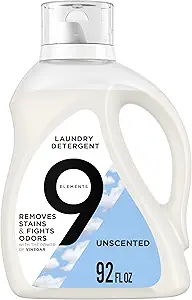
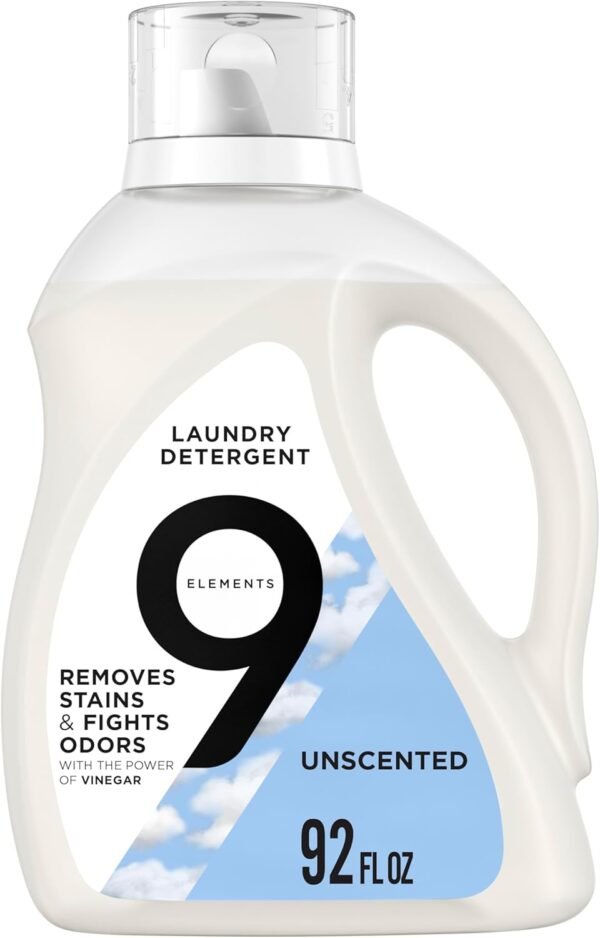
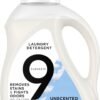
9 Elements is a Procter and Gamble line, and this is the unscented liquid laundry detergent in a 92 fluid ounce bottle. The angle the whole product rests on is vinegar. Procter and Gamble describes the formula as vinegar powered, and says it strips away trapped residues and odors, ridding fabric of what it calls hard water metals and dingy build up, while leaving no vinegar odor behind.
That is a meaningfully different proposition from a conventional detergent. Most laundry detergents are alkaline, because alkalinity helps saponify fats and lift soil. An acid does something else: it dissolves mineral deposits, which is what hard water leaves behind in fabric, and it is those deposits that make towels stiff and whites look gray over time. So the product is aimed less at fresh stains and more at what has accumulated in fabric over many washes. If your complaint is towels that have gone hard and whites that look dull despite washing, that is the problem this bottle is addressing. If your complaint is grass on knees, a conventional enzyme detergent such as Tide liquid detergent is the better tool.
What Procter and Gamble publishes about the formula
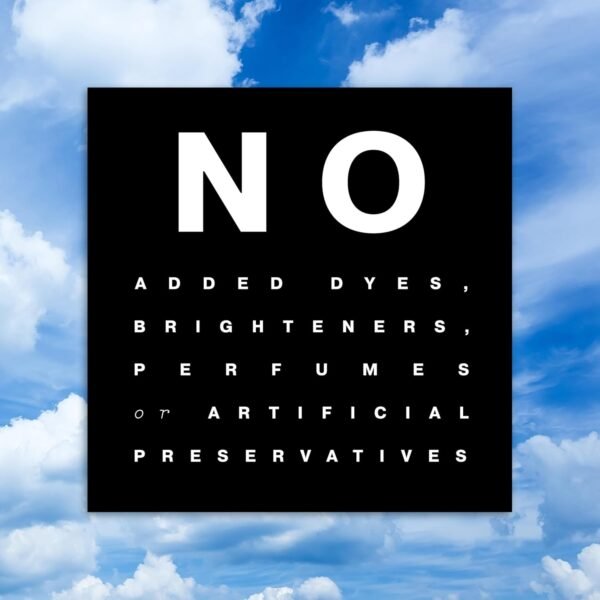
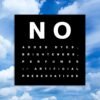
No full ingredient list appears, but this listing publishes more useful qualifications than most. The formula is described as having minimal ingredients, with no artificial preservatives, dyes, thickeners or brighteners. It is stated to be hypoallergenic and EPA Safer Choice certified, and it is unscented. And the plant based claim carries an unusually candid footnote: the listing defines plant based as meaning at least 50 percent of ingredients are plant derived and subjected to processing.
Why that footnote is worth more than the headline
Fifty percent, disclosed as a threshold, is a great deal more informative than an unqualified plant based badge, and it is the kind of definition the FTC Green Guides exist to encourage. It tells you the other half is not plant derived, and that even the plant derived portion has been chemically processed. Take the same approach to the rest of the terms: natural is part of the product’s own name rather than a certified attribute, hypoallergenic is a manufacturer’s description with no regulated definition in the United States, and Safer Choice is a genuine EPA program that evaluates ingredients against the agency’s criteria. None of those are our assessment, and none of them is a statement that the product is safe for any particular person’s skin.
Fabrics, machines and the absence of a brightener
The listing does not restrict the product by fabric type, and a mild, dye free, fragrance free liquid is a reasonable general purpose choice. The two absences worth understanding are brighteners and bleach.
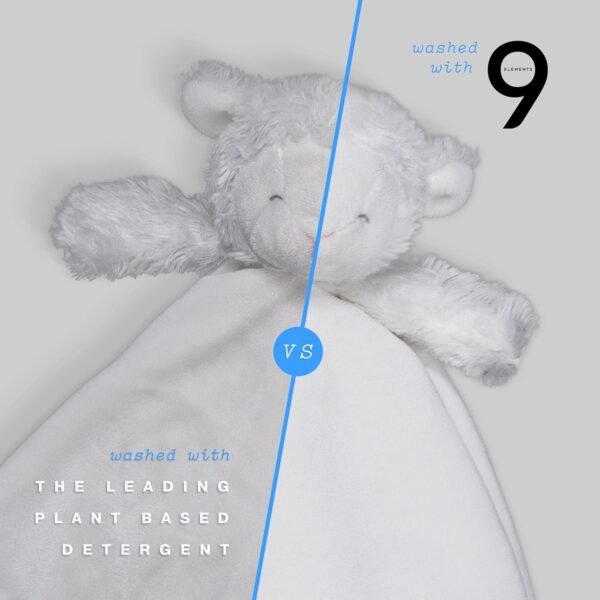
Optical brighteners are the fluorescent dyes conventional detergents add to make white fabric appear whiter under daylight. This formula has none, and Procter and Gamble instead claims it keeps whites white without bleach by removing the residue that dulls them. Those are two different mechanisms and they produce different results: a brightener makes a dingy shirt look brighter immediately, while residue removal actually takes something out of the fabric over repeated washes. Expect a slower, more genuine change rather than a step improvement, and do not expect it to lift a coffee stain, which is a job for a stain treatment.
The lack of brighteners is a positive for some fabrics. Technical activewear, blackout curtains and some dark garments react badly to brighteners, and a formula without them is a safer choice there. It also means this is a sensible detergent for microfiber cleaning cloths and mop pads, which should never see a softener or a brightener.
Dosing, and the mixing rule that matters more here than usual
No load count is published for the 92 ounce bottle, so use the cap markings and your machine’s guidance rather than a figure from a review. Dose to the soil level, not to the drum size, and note that residue removal is a cumulative effect: several washes will do more than one heavy dose, and overdosing an acidic detergent leaves its own residue.
Here is the safety point that outranks everything else on this page. This detergent is built on vinegar, which is acetic acid, and acids must never be combined with chlorine bleach. Mixing an acid with sodium hypochlorite releases chlorine gas, and a laundry room is exactly where that mistake gets made, because adding bleach to a white load is such a common habit. Do not add liquid chlorine bleach to a wash running this detergent, do not pour them into the same dispenser compartment, and do not use bleach in the load immediately afterward without running the dispenser through. If you want a whitening step, use an oxygen based product in a separate load, or a dedicated bleach pen applied to a specific spot and rinsed before the garment goes near this bottle.
Store the bottle capped, upright, out of reach of children and pets, and away from bleach on the shelf rather than beside it. Do not decant it. If you also use household cleaning vinegar, such as Harris cleaning vinegar, the same separation rule applies for the same reason.
Cost, and the alternatives in this part of the shelf
Ninety two fluid ounces is a mainstream bottle size, and the price position of this line sits above a supermarket own brand and below the premium fragrance detergents. Because no load count is given, cost per load has to be worked out from the cap after it arrives, which is a fair criticism of the listing. What you are paying for is the residue removing angle and the short ingredient list, not a higher concentration.
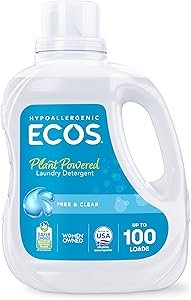
The comparisons worth making are with the other fragrance free options. Tide Free and Gentle and All Free Clear are the mainstream dye and perfume free choices with conventional alkaline chemistry, while ECOS liquid laundry detergent approaches the same buyer from a plant based angle. The rest of the category is under liquid detergent, with related products in laundry detergent.
One clear error in the record deserves flagging. The fourth bullet ends with the phrase “our Tide detergent helps you select products that protect your family”, and this is not Tide; it is 9 Elements. That sentence was carried over from a Tide bullet template and never edited, which is worth knowing when judging how carefully the rest of the copy was assembled. The package weight of 7.4 pounds is consistent with 92 fluid ounces of liquid plus the bottle. The item currently ranks 195th in the retailer’s liquid laundry detergent chart.
Who should buy this bottle
Buy it if you have hard water, stiff towels or whites that have gone dull, you want an unscented dye free detergent with a short published ingredient philosophy, and you are comfortable running an acidic formula. Skip it if you rely on chlorine bleach in your laundry routine, if you want optical brighteners for an immediate visual lift, or if your main problem is fresh food and grass stains, which enzymes handle better.