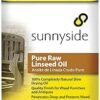
Description
A gallon of the oldest wood finish there is
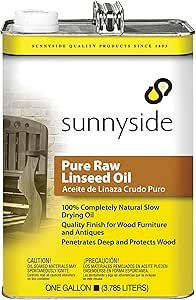
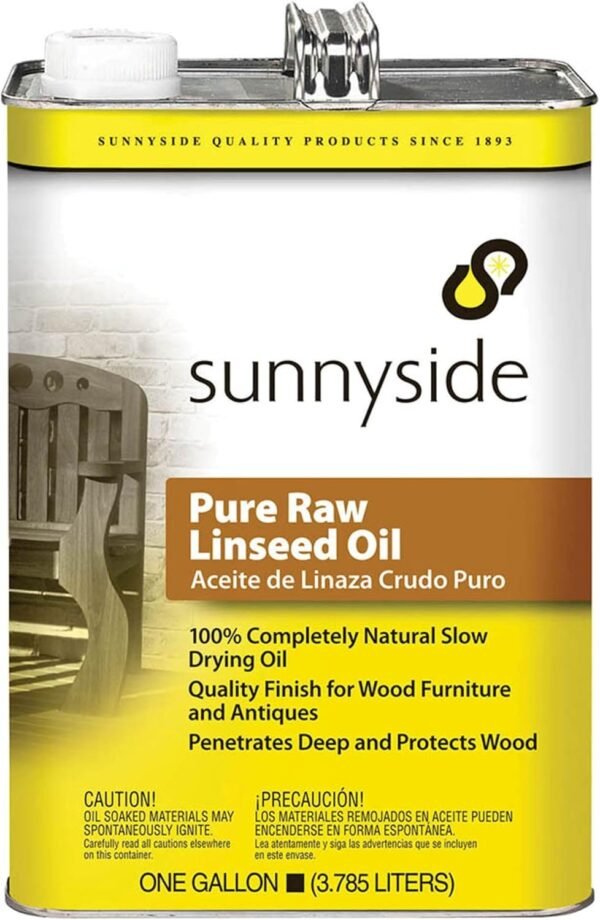
Sunnyside Corporation part 873G1 is a full gallon of pure raw linseed oil, pressed from flax seed, sold with no additives. Sunnyside has been making paint solvents and finishing products since 1893, and raw linseed oil is about as traditional as wood finishing gets: it is the base of oil paints, the traditional treatment for tool handles and gun stocks, and the classic protective coat for unpainted exterior wood.
The listing is specific about how it is used. It penetrates deeply and protects wood, creating a finish for furniture and antiques. It increases water repellency and weather resistance. It can be added directly to oil based paints and stains as a thinning and flow additive. The description adds that it is also used to protect metal tools against rust. And it carries one restriction that decides everything else: apply to raw wood only.
Raw versus boiled, and why the difference is the whole product
The word raw in the name is a technical designation, not a marketing one, and confusing raw with boiled linseed oil is the single most common mistake with this material.
Drying time is the practical difference
Linseed oil cures by reacting with oxygen rather than by evaporating. Boiled linseed oil is not actually boiled; it is raw oil with metallic drying agents added to speed that reaction, which is why it sets within a day. Raw linseed oil has nothing added, which Sunnyside states plainly, and so it cures very slowly. The listing gives 2 to 4 days, and that is the surface drying time under good conditions; a full cure in cool or humid weather takes considerably longer, and a heavy coat that has not been wiped back can stay tacky for weeks.
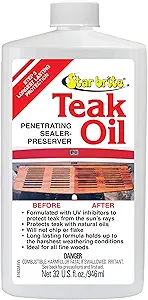
Slow curing is a feature when the goal is deep penetration, which is what raw oil is chosen for, and it is a liability when you need the piece back in service. If you want a faster set with the same character, the sibling product, Sunnyside boiled linseed oil, is the one to buy, and for exterior hardwood a modern blend such as Star brite teak oil includes ultraviolet absorbers that plain linseed oil does not have.
Raw wood only, and what that rules out
Sunnyside’s instruction to apply to raw wood only is the important compatibility statement. A penetrating oil has to get into the wood, and it cannot get through a varnish, a polyurethane, a shellac, a lacquer or a paint film. Applied over any of those it sits on the surface, stays sticky and attracts dust. If a piece is already finished, this is the wrong product and a maintenance polish such as Howard orange oil wood polish or a wax like beeswax furniture polish is what maintains it.
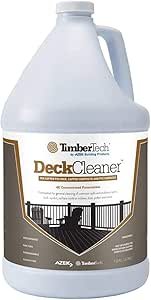
Two further points the listing does not raise. Linseed oil ambers noticeably as it cures and continues to darken with age, so a pale wood treated with it will not stay pale; the color field on this listing reads clear, which describes the liquid rather than the result. And on outdoor wood, an oil film is organic material sitting on a damp surface, which is why oiled exterior timber commonly develops mildew and needs renewing far more often than the weather resistance claim suggests. Composite decking should not be oiled at all and needs a purpose built product such as the TimberTech composite deck cleaner.
The fire hazard, which is the most important paragraph on this page
Rags, cloths, paper towels, brushes, steel wool and sanding dust soaked with linseed oil can heat up on their own as the oil cures and can catch fire with no ignition source at all. This is not a rare or theoretical event; it is the documented reason drying oil containers carry combustion warnings, and it has destroyed workshops, garages and houses. Raw linseed oil is in this category exactly as boiled oil is.
The safe practice is simple and non negotiable. Lay used rags out flat and singly on a non combustible surface outdoors until they are completely dry and stiff, then dispose of them. Alternatively, submerge them in a sealed metal container of water. Never leave oily rags balled up, never put them in a plastic bag, never drop them in a trash can with other waste, and never leave them in a pile at the end of a job. The same applies to the wiping cloths from the final buff, which are the ones most often forgotten.
Beyond that, treat this as the flammable liquid it is. Ventilate the workspace, keep it away from pilot lights, heaters, grinders and anything that sparks, do not smoke while working, wear gloves and eye protection, and store the container upright and tightly closed in a cool place, out of reach of children. Never mix it with a solvent, a cleaner, a bleach or a thinner you have not checked, and dispose of leftovers through a local hazardous waste route rather than down a drain. Sunnyside’s own tenth bullet says it plainly: read the label carefully before use.
Coverage, cost and whether a gallon is the right size
A gallon is a lot of oil. The listing gives no coverage rate, which is a genuine omission, but a penetrating oil applied thin and wiped back goes a very long way, and a gallon is a quantity for someone treating a deck, a run of fencing, a boat interior or a shop full of tool handles rather than a single table. If your job is one piece of furniture, a quart is the sensible purchase and a gallon will sit half used in a garage for years, slowly skinning over in the can.
Judged on cost per square foot, raw linseed oil is one of the least expensive wood treatments available, and that is the traditional argument for it. The costs it hides are time, because of the cure, and maintenance, because an oil finish needs renewing rather than lasting. The rest of this shelf is under wood conditioners, waxes and oils, and the indoor maintenance products are in wood polish.
Record notes: the specification block is unusually complete for this catalog, with a part number, size, weight of 8.25 pounds and material all given. It also contains batteries included and batteries required fields on a can of oil, and a color field reading clear that does not describe how the cured film looks. No coverage rate, no application temperature and no recoat interval appears. The item currently ranks 117th in the retailer’s wood conditioners, waxes and oils chart on 679 ratings averaging 4.8 stars, and has been listed since 2007.
Who should buy a gallon of this
Buy it if you are treating raw, unfinished wood in quantity, you can accept a cure measured in days rather than hours, and you will handle oily rags correctly. Skip it if the wood already has a finish on it, if you need the piece usable tomorrow, if you want the wood to stay pale, or if you only have one small item to treat, where a quart of boiled oil is the better purchase.