Description
A cleaner for capped composite decking, and what that means
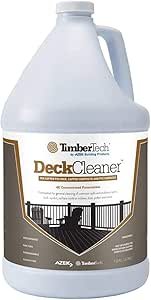
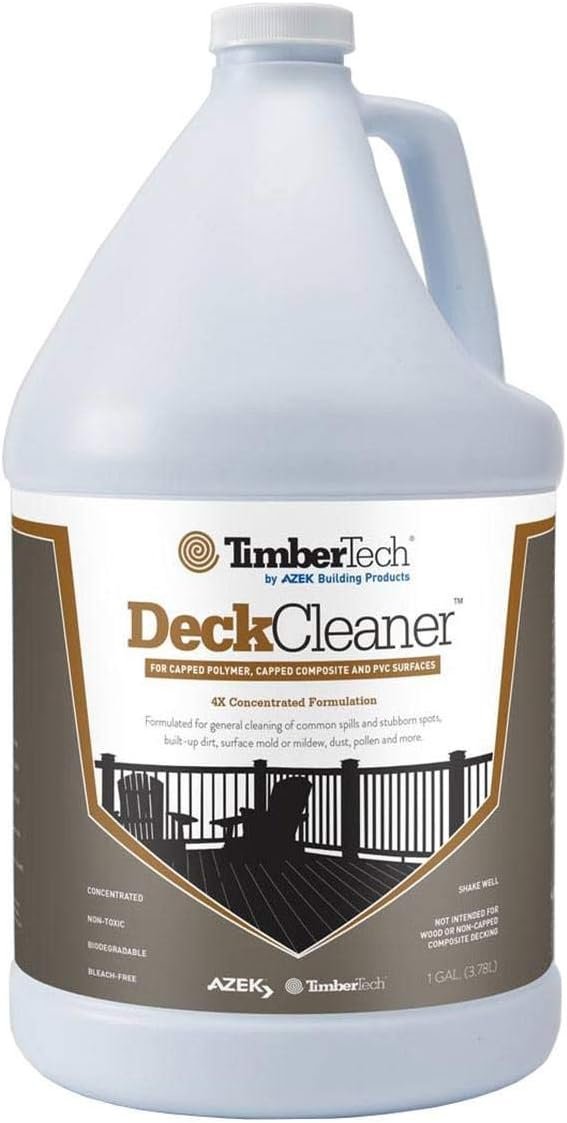
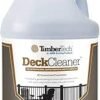
TimberTech Composite DeckCleaner is a one gallon concentrate, model TTCLNCASE1G, formulated by the decking manufacturer for its own products. The listing names TimberTech AZEK, PRO and EDGE Capped Decking, Porch and Railing, and adds DrySpace and Pavers.
Capped composite is the relevant term. A capped board has a polymer shell bonded over a wood and plastic core, and the shell is what you are cleaning. It does not absorb the way timber does, it does not need oiling, and it does not want the aggressive brightening chemistry that gets used on weathered wood decks. That is why a decking manufacturer sells a cleaner of its own.
The one thing this listing offers that most in this catalog do not is a manufacturer warranty statement. TimberTech says the formula was created specifically for its products and is guaranteed not to damage them or compromise warranties when used as directed. On a product where an aggressive cleaner can cost you a decking warranty on a whole deck, that is a substantive reason to buy the maker’s own cleaner rather than a generic one.
Dilution and coverage, which are actually published
The listing gives usable numbers. Properly diluted, one gallon of concentrate yields four gallons of cleaner, and that covers approximately one thousand square feet of surface. Work back from your own deck area and the arithmetic is simple: a typical residential deck of three or four hundred square feet uses well under half the bottle per clean, so a gallon covers several seasons.
It is described as versatile enough for a whole deck or for spot treatment on stubborn spills and stains, which is a fair description of how deck cleaning actually happens: an annual full clean and occasional spot work after a barbecue or a spilled drink.
What is not published is the actual mixing ratio in cups or ounces, only the yield, and no ingredient information, pH, or protective equipment guidance appears anywhere. The bottle label carries the mixing instruction and it should be followed rather than inferred, since the four to one yield tells you roughly the dilution but not the method.
The environmental wording, and a data field that keeps recurring
One bullet says simply to clean your deck with a biodegradable formula. Biodegradable is a term with technical definitions tied to test methods and timeframes, and no standard, test or certification is cited here. The excerpt previously carried on this site went further and described the product as safe around plants and pets, which is not something the listing states anywhere, and this review does not repeat it.
The specification block contains a field reading “Material Feature: Biodegradable Warning”, which is not a coherent statement. The identical corrupted value appears on at least one other listing in this catalog, so it is a systematic import defect rather than a one off.
The same block gives product dimensions of 6 by 6 by 11.6 inches with a weight of 2.82 ounces. A gallon of water based liquid weighs around eight and a half pounds, so the weight field is wrong by a factor of roughly fifty. Amazon ranked this bottle sixtieth in Wood Conditioners, Waxes and Oils when the data was captured, which brings up the other filing problem: this is a cleaner for a plastic capped composite surface, and it is categorized among wood conditioners, waxes and oils. It is none of those three things and it is not for wood.
Surfaces, and what to keep it off
Use it on what the manufacturer names: capped composite decking, porch boards, railing, DrySpace and pavers from the same range. Test an out of sight board first anyway, particularly on an older deck where the cap may have weathered.
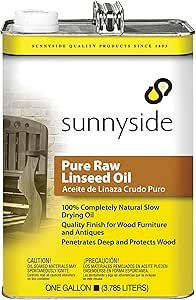
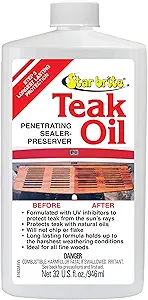
Do not assume it transfers to other surfaces. Uncapped composite, natural timber decking, painted wood, powder coated aluminum railing, glass balustrade and stone all have their own requirements, and a cleaner formulated around one manufacturer’s polymer cap carries no guarantee anywhere else. Natural wood decks in particular are usually cleaned and then oiled, which is a different process entirely, and products such as the Star brite teak oil or the boiled linseed oil belong to that side of the category.
Mold and algae on a shaded deck is a related but different problem, and if that is the actual complaint, a product formulated for it such as the Star brite mildew stain remover targets it more directly. Do not use both at once.
Working safely outdoors
Since the listing publishes no hazard information, work from the label and take the standard precautions for any concentrated outdoor cleaner. Wear eye protection and gloves while diluting, because splashing concentrate is how eye injuries happen. Work on a calm day so spray does not drift, and rinse thoroughly.
Think about where the runoff goes. A deck usually drains onto planting, a lawn, a path or a storm drain. Wet plants down before and after so any diluted cleaner reaching them is further diluted, cover anything sensitive, and be aware that stormwater in most municipalities goes to a watercourse rather than to treatment. Nothing on this listing addresses runoff, and it is the most significant environmental consideration in using it.
Never combine it with another cleaning product. Do not add bleach to the mix, and do not follow it with a bleach based mildew treatment without rinsing thoroughly and letting the surface dry first, since chlorine bleach combined with an acidic cleaner releases chlorine gas. Store the jug capped, upright, out of reach of children and away from heat, and never decant into an unlabeled container.
A wet composite deck is slippery, and it stays slippery longer than timber. Keep people and pets off it until it dries.
Cost, and what else does this job
Four gallons of working solution covering a thousand square feet is generous for a residential deck, and the cost per clean is low. Against a generic outdoor cleaner the price will be higher, and what you are buying is the warranty assurance rather than volume.
For general outdoor hard surface work, the catalog carries the Stone Pro stone and glass scrub, and the wider wood conditioner, wax and oil listings cover timber deck maintenance, which is a separate discipline. General cleaning is covered by the all purpose cleaner listings.
Who should buy this and who should not
Buy it if you own TimberTech AZEK, PRO or EDGE capped decking and you want the cleaner the manufacturer guarantees against your own warranty. On a deck that cost thousands to install, that guarantee is the whole argument, and the published coverage figure makes it easy to size.
Do not buy it for a timber deck, which needs cleaning and oiling rather than a composite cleaner. Do not read the biodegradable bullet as a certification, since none is cited. And do not rely on the specification block, which lists a gallon of liquid at under three ounces.