Description
The job, and the surfaces it is built around
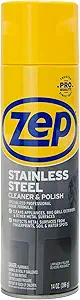
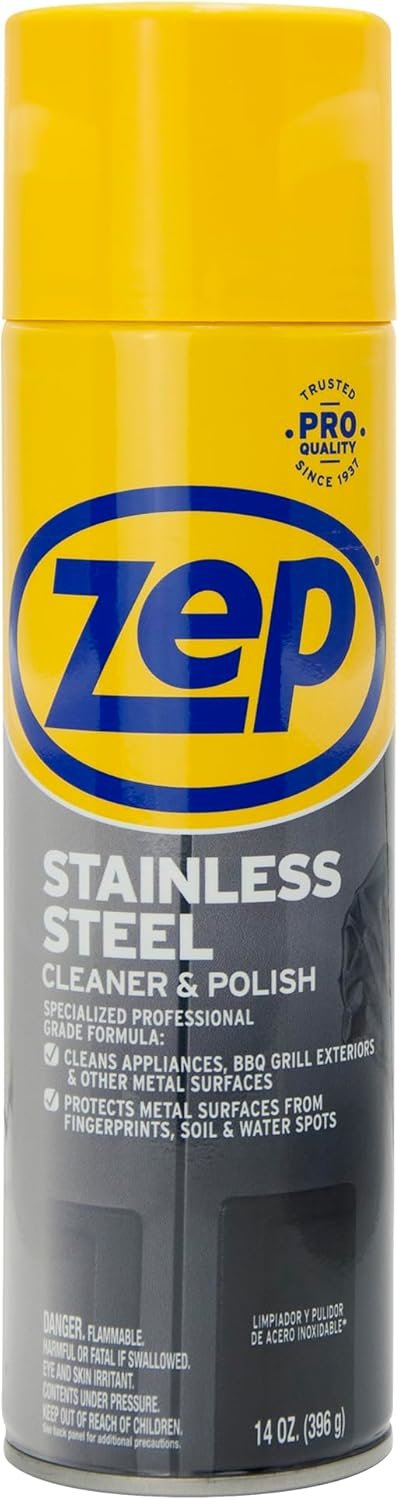
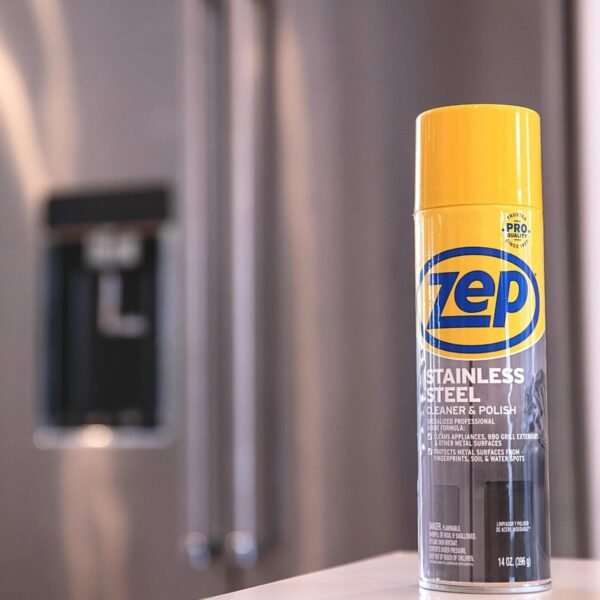
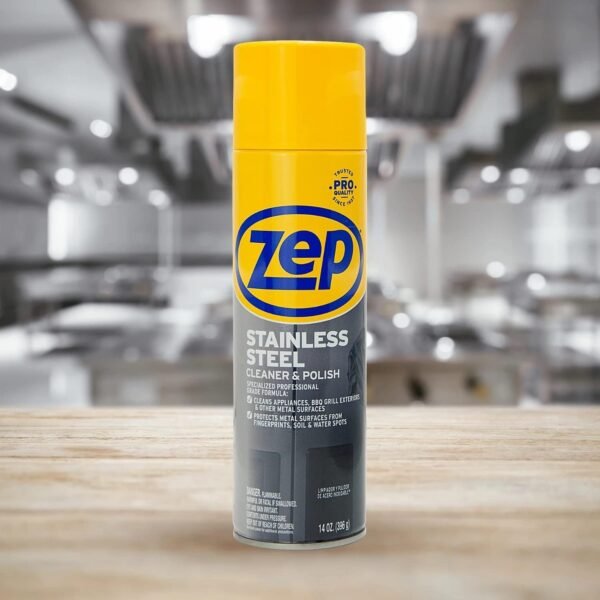
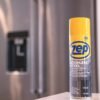
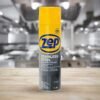
The Zep ZUSSTL14 is a 14 ounce stainless steel cleaner and polish. The job is narrower than a general surface spray: it is for the visible outer faces of stainless, chrome and aluminum, where the problem is not dirt so much as fingerprints, water marks and the dulling film that builds up on an appliance door people touch twenty times a day. Zep names appliances, grill exteriors and other metal surfaces, and describes the product as polishing as it cleans.
That combination is the distinguishing feature. A plain cleaner removes the marks and leaves the metal bare, which means the next fingerprint shows immediately. A cleaner and polish leaves a thin film behind, and that film is what resists the next set of marks and gives the even sheen. It is also why a polish is the wrong choice on anything that needs to stay film free, which the listing addresses directly.
What Zep publishes, and what it does not
Zep gives no ingredient list, no solvent, no oil type, no pH and no percentage. That is a meaningful gap on a polish, because the film is the whole product: whether it is a mineral oil, a silicone, a wax or a water based polymer determines how it behaves on a warm appliance, how it interacts with the next cleaner used on the same surface, and how easy it is to remove if you change products. The printed label is the only source.
The listing also does not state the dispensing format. The recorded dimensions of 2.5 by 2.5 by 10 inches at 14 ounces are consistent with a can rather than a trigger bottle, but the page does not say whether this is an aerosol, and that changes how it should be stored and used. If the container that arrives is an aerosol, treat it as one: keep it away from heat and ignition sources, do not puncture or incinerate it, and do not spray it near a lit burner.
Fields on this record that are not real
Two specification entries are worth ignoring. The record carries a manufacturer recommended age of “0 months and up”, which is a toy field applied to a metal polish and should not be read as any kind of safety statement about infants. The Department field reads Unisex-Adult, which is an apparel classification. The Customer Reviews field contains a sales rank string rather than a star rating, so there is no rating figure to quote. The usable data is the rest: manufacturer Zep Inc, model ZUSSTL14, ASIN B001B18YJG, first available June 2017, ranked 10th in Household Cleaning Metal Polishes and 6,252nd across Health and Household.
Where it goes, and the two places it must not
Zep does something here that most listings in this catalog do not, and it deserves credit: the fifth feature bullet states plainly that the product is not for use on natural stone surfaces or food contact surfaces. Both restrictions matter.
Natural stone is excluded because a polish film on marble, granite or slate is difficult to remove and can trap soil in the surface, and because the chemistry of a metal polish is not formulated for a porous mineral. If you have a stone splashback behind a stainless range, mask the boundary or work carefully to it, and clean the stone with a product intended for it such as the Bar Keepers Friend stone cleaner.
Food contact surfaces are excluded because the film stays on the surface by design. That means the outside of a refrigerator, a dishwasher door, a range front, an extractor hood and the exterior of a grill are fair game, while the inside of a refrigerator, a stainless counter used for food preparation, a sink where dishes are washed, cookware and grill grates are not. The grill distinction is easy to get wrong: the exterior lid and cart, yes; the cooking grates, no.
Beyond those, keep it off painted surfaces, plastics, glass and any brushed finish where a polish film would look uneven if applied patchily. Do not use it on the touchscreen or display panel of an appliance, where a wipe such as the Weiman electronic wipe is the appropriate product.
Application, ventilation and storage
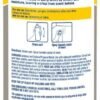
The technique that separates a good result from a streaky one is direction. Brushed stainless has a grain, visible as fine parallel lines, and both application and buffing must follow it. Working across the grain leaves visible swirls that catch the light and are harder to remove than the fingerprints you started with. Look at the panel in raking light, find the grain, and wipe along it.
Apply sparingly. A polish that is over applied leaves a hazy film that attracts dust and shows every subsequent touch, which is the opposite of what you wanted. Use a clean, dry microfiber cloth, work in sections, and finish with a second dry cloth to buff. Do not apply it to a hot surface: let a range front or a grill lid cool first, because a warm panel flashes off the carrier before it can be spread evenly.
Store it capped, upright, away from heat and out of reach of children. Never combine it with another cleaner on the same surface in the same session. If a surface has just been cleaned with a bleach product, an ammonia based glass cleaner or an acidic descaler, rinse it thoroughly with water and dry it before applying a polish over the top, both because the formulation here is undisclosed and because layered chemistries in a kitchen are a route to fumes in a room people are standing in.
Running cost and the alternatives
Fourteen ounces used a few ounces at a time on appliance fronts is a long lived purchase in most households, and the practical economy question is how often you polish rather than what a bottle costs. Polishing weekly consumes a bottle far faster than polishing when the doors start to look dull, and the film means weekly application is usually unnecessary.
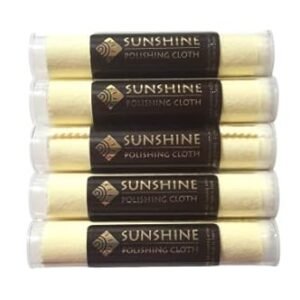
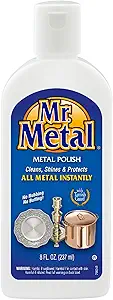
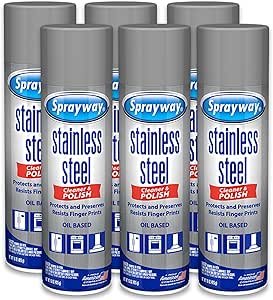
Comparable products on this site include the Sprayway stainless steel cleaner, sold as a multipack for households with a lot of stainless, and the Mr Metal 707284 polish, which is aimed at heavier tarnish removal rather than daily appliance maintenance. For jewelry and small items where a liquid is impractical, the Sunshine polishing cloth works dry. Browse the metal polishes category for the full set, and the all-purpose cleaners category for the surfaces around the appliance that a polish should not touch.
Who should buy it, and who should not
Buy it if you have stainless appliance fronts, a chrome or aluminum finish that marks easily, or a grill exterior you want to keep even, and you want a product that both cleans and leaves a protective film. The explicit exclusion of stone and food contact surfaces is a point in this listing’s favor and should be taken as an instruction rather than a suggestion. Skip it if what you need is a food safe cleaner for a preparation surface or the inside of a refrigerator, if your finish is painted or coated rather than bare metal, or if you need to know the ingredients before applying a film to a surface you will touch daily.