Description
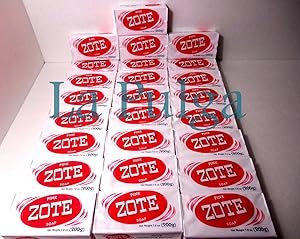
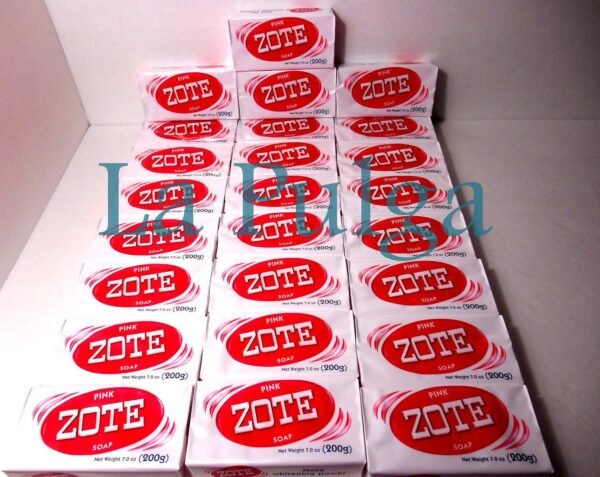
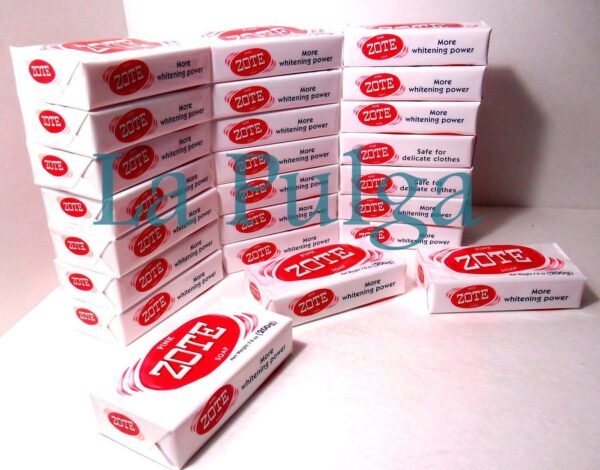
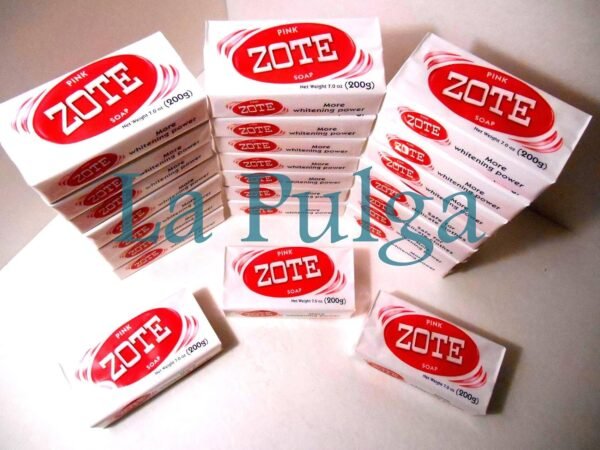
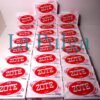
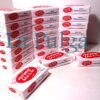
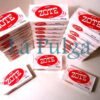
Jabon Zote Rosa reaches the buyer as a case of twenty five pink bars, each one listed at 200 grams and made in Mexico. That single line of listing data matters more than anything else on the page, because it tells you this is a solid laundry bar and not a bottled liquid. The Amazon listing itself files the product under liquid laundry detergent and reports it as ranked 323rd in that ranking, which is a shelf placement rather than a description of what is in the box. Read the format first, then decide whether a bar belongs in your laundry routine at all.
The job a laundry bar does that a bottle cannot
A laundry bar is a pre treatment tool before it is a detergent. The normal way to use one is direct: wet the fabric, wet the bar, rub the bar onto the stained area, work it in with your fingers, then let the garment rest before it goes into the wash. Because the soap is applied undiluted at the point of the stain, the concentration sitting on that patch of fiber is far higher than anything a measured cap of liquid delivers once it is spread across a full drum of water. That is the entire argument for keeping a bar in the house even when a bottle handles the daily loads.
What the listing tells you about the formulation, and what it does not
The listing publishes no ingredient statement at all. There is no active ingredient field, no percentage, no surfactant named, and the description block is empty. The specification section contains package dimensions, a weight of roughly eleven and a half pounds for the case, an availability date of January 2015, and ranking data. Nothing else. In practical terms the wrapper on the bar is the only ingredient source you have, and it should be read before the bar touches anything you care about.
What the color actually tells you
Rosa means pink, and the pink color is the only cosmetic detail the listing commits to. No fragrance is named, no dye is identified, and no fragrance free option appears on this page. Bars in this family are sold in more than one color, and the listing does not explain whether a different color signals a different formulation or only a different dye. Treat the color as a product code rather than as information about how the bar performs.
Fabrics, colors and where a bar goes wrong
Rubbing a bar directly onto fabric is a mechanical process as much as a chemical one. On sturdy cotton, denim, canvas, work clothing and household linen that is unremarkable. On delicate constructions it is not. Loosely woven knits, silk, anything carrying a printed or heat applied graphic, and garments with a surface finish that is meant to stay on the surface can all be damaged by the rubbing itself before the soap does anything useful. The safer habit is to build a lather with wet fingers and work that into the stain, rather than dragging the bar across the weave.
Color safety is the open question. Because the listing publishes no ingredient information, there is no way to tell from the page whether the bar contains a brightener or any bleaching agent, so a test on an inside seam is not optional on a dyed garment you would be sorry to lose. Leave the test on for the same length of time you intend to use in practice, rinse it out, and let the fabric dry fully before judging, because some dye movement only becomes visible after drying.
Correct use, storage and the safety points that matter
The sequence that gets the most out of a bar is short. Wet the fabric with warm water, rub or lather the soap into the stain, leave it to sit for a few minutes rather than washing it straight away, then launder as normal. The listing gives no dwell time, no dilution ratio and no water temperature guidance, so those numbers are not available and this review will not invent them. Check the wrapper, and if it is silent, keep the contact time short on the first attempt and repeat rather than escalating.
Storage is the practical problem with a bulk case. A bar left sitting in water turns soft and wastes itself quickly, so bars should be kept dry between uses on a draining dish, and the unopened remainder should stay somewhere cool and dry rather than in a damp laundry cupboard. Twenty five bars occupy real shelf space, and the case as shipped weighs enough that a high shelf is a poor choice.
Two safety points apply even to a mild looking product. First, because the ingredients are not published, never use this bar in the same sink, bucket or basin as a chlorine bleach product, and do not combine it with any other cleaner in the same water. Mixing an unidentified cleaning product with bleach is a risk that is never worth taking, and the general rule in a laundry room is that one product goes into the water at a time. Second, a pink bar does not look like a hazard, which is exactly why it belongs stored out of reach of children and pets alongside the rest of the cleaning supplies.
What a case of twenty five costs you over time, and the alternatives
The cost structure of a bar is unusual because consumption depends entirely on how you use it. Used only as a spot treatment, one bar lasts a long time and a case of twenty five becomes a multi year supply. Used for regular hand washing of a full basin, the same bar disappears in weeks. Before buying at case quantity, work out honestly which of those two households you are, because the format offers no way to speed itself up when you are in a hurry.
For the daily machine loads that a bar is not built for, a measured liquid is the straightforward companion. Our write up of the Tide Simply liquid laundry detergent in the Refreshing Breeze scent covers a high load count bottle for exactly that role, while the Purex liquid detergent sits in the same part of the shelf. Households that would rather not measure anything at all can look at a dosed format such as the Arm and Hammer laundry detergent pacs, keeping in mind that pacs carry their own child safety requirements. The wider liquid detergent category lists the bottled options side by side.
If your real problem is a specific stain rather than general washing, a targeted product usually beats rubbing harder with soap. A sprayed pre treatment such as the Vanish pre treat stain remover reaches into a weave without abrasion, and an oxygen based soak like the sodium percarbonate stain remover works on a whole garment rather than one patch. The stain removers category groups those approaches together.
Who should buy it and who should skip it
Buy the case if you already use laundry bars, hand wash regularly, or want a long lived spot treatment tool that does not depend on a spray trigger or a measuring cap. Skip it if you were expecting a bottled liquid, if you need published ingredient information before a product enters your home, or if you want a detergent that can be poured into a machine dispenser. The format is genuinely useful, but it is a manual tool, and the listing gives you very little to go on beyond size, count and country of origin.