Description
A bleach based spray for a specific bathroom problem
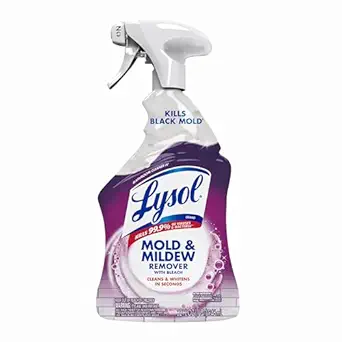
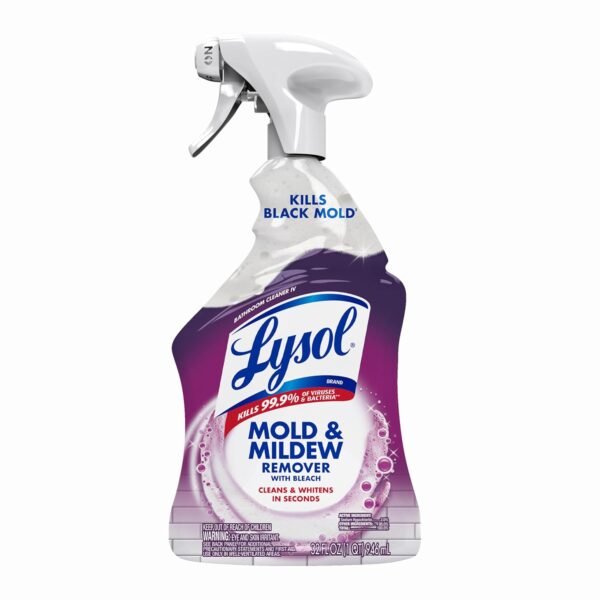
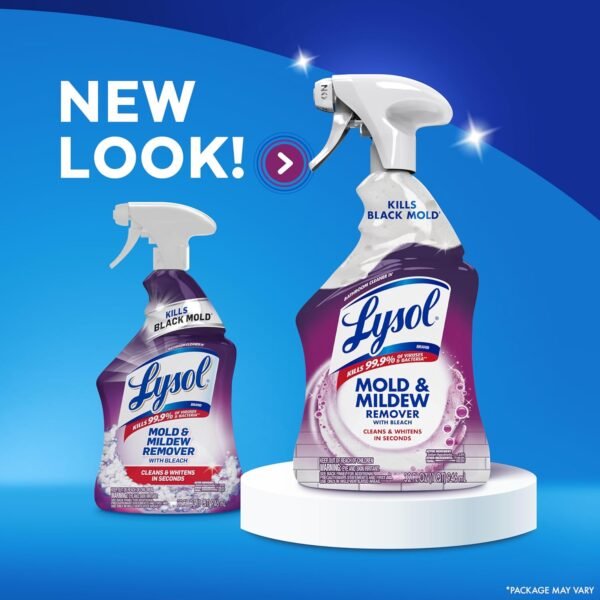
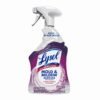
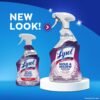
This is Lysol Mold and Mildew Remover with Bleach, a 32 ounce trigger spray from Reckitt Benckiser, model 0392027-1PK. The name states the important part: it contains bleach. That single fact determines how it works, what it is safe on, and every safety rule that follows.
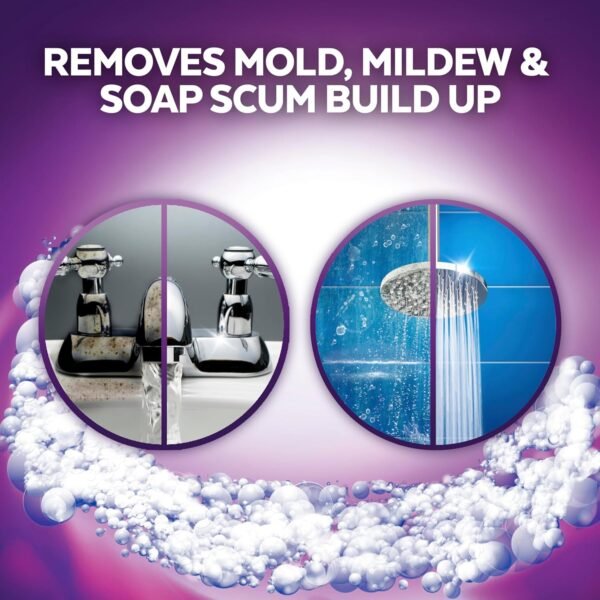
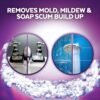
The problem it addresses is the black or pink staining that appears on bathroom grout, silicone sealant, tile, tubs, shower heads and around toilets. Reckitt names bathrooms, sinks, tile, tubs, shower heads, toilets and kitchens as the intended locations. Bleach based mold products work by oxidizing the pigment in the growth, which is why the visible stain disappears quickly and dramatically. That is also the limitation: bleaching a stain and removing the growth are not identical operations, and on a porous surface such as grout or unsealed sealant the surface can look clean while material remains below.
The other thing worth saying at the start is that mold in a bathroom is a moisture problem. It returns because the room stays damp. Running an extractor fan during and after a shower, squeegeeing glass, and drying the tub surround does more long term good than any spray, and no product on this listing changes that.
The claims, attributed, and the two things missing from the page
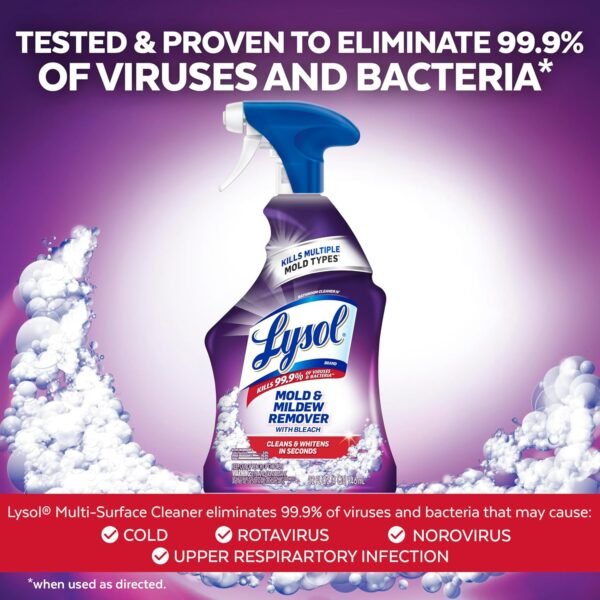
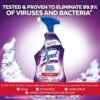
Reckitt states that the product cleans and disinfects, that it destroys tough mold and mildew to help remove a common source of mold allergens, that it kills ninety nine point nine percent of viruses and bacteria when used as directed, and that it is a fast acting sanitizer that whitens and removes mold and mildew stains. It also states that the non abrasive formula will not harm plumbing and septic systems.
Those are the manufacturer’s claims and they belong to the label. Two crucial pieces of information are not on this page.
First, no contact time is given. Every disinfectant and sanitizer claim in the United States is tied to a period during which the treated surface must remain visibly wet. Spray and wipe immediately and the surface has been bleached, not disinfected. The label on the bottle carries the dwell time for each claim, and it needs reading before use, not after.
Second, no EPA registration number appears anywhere on the listing. Products sold with kill claims are registered pesticides under federal law, and that number is the only way to check what a product is approved to claim. Some other listings in this catalog publish theirs. This one does not.
The phrase about removing a common source of mold allergens is also carefully worded by the manufacturer and should be left exactly as they wrote it. It is not a statement that the product treats any health condition, and nothing in this review says that it does.
The word gentle does not belong anywhere near this product
Non abrasive means it contains no scouring particles. It does not mean mild. A bleach based cleaner is a strong oxidizer that damages fabric, discolors grout colorant, corrodes some metals, and irritates eyes, skin and airways. Treat the non abrasive claim as a statement about texture only.
Surfaces it suits, and everything to keep it away from
Bleach based sprays suit hard, non porous, colorfast bathroom surfaces: glazed ceramic tile, glass, porcelain, most acrylic and fiberglass tubs, and sealed grout. Test any surface you care about in a hidden spot first.
Keep it off a long list. Fabric and carpet, where it removes color permanently, including bath mats and shower curtains you did not intend to bleach. Colored grout, where it can lift pigment. Natural stone such as marble, limestone and travertine. Unsealed wood and painted woodwork. Metals including aluminum, brass, copper and some stainless finishes, where prolonged contact causes pitting and staining. Any surface with a wax or oil finish.
Splash back is the practical hazard. Spraying upward at grout above head height puts droplets in the air and on whatever you are wearing, so wear old clothes and eye protection, and cover anything below the work area. If a drop reaches a colored towel, it will not come out.
The safety rules, which matter more here than in most reviews
The single most important rule with any bleach product is that it must never be combined with another cleaner. Chlorine bleach mixed with an acid, which includes most toilet bowl cleaners, limescale removers and some bathroom sprays, releases chlorine gas. Chlorine bleach mixed with an ammonia based cleaner, which includes many glass cleaners, releases chloramine. Both are toxic, both have injured people in ordinary domestic bathrooms, and neither combination is ever necessary.
That rule extends further than most people realize. Do not use this after a toilet bowl cleaner in the same bowl. Do not use it on a surface that was treated with a descaler an hour earlier without rinsing thoroughly first. Do not use it alongside a foaming shower cleaner such as the Scrubbing Bubbles Mega bathroom cleaner in the same session without a full water rinse in between. Finish one product, rinse, ventilate, then start another, or better, do not mix products at all.
Ventilate the room. A bathroom is small and often has no window, so run the extractor and open the door. Wear gloves and eye protection. Keep children and pets out of the room while you work and until surfaces are rinsed and dry. Store the bottle upright, capped, out of reach, and never decant it into an unlabeled container.
If the spray reaches an eye, rinse thoroughly with water and seek medical advice. If you feel any respiratory irritation, leave the room and get fresh air.
Cost, category placement and the alternatives
A 32 ounce ready to use trigger bottle is the standard format for this job and the cost per use is low relative to how rarely most households need it. Worth noting: Amazon ranked this listing second in Commercial Bathroom Cleaners and third in Household Mold and Mildew Removers when the data was captured, and its primary ranking sits in Industrial and Scientific rather than in a household category, which is consistent with a product sold into both markets.
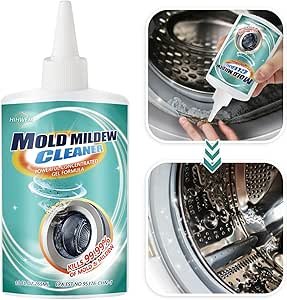
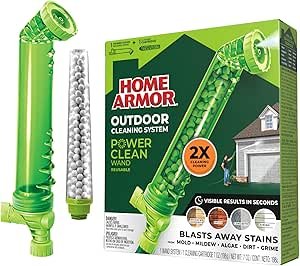
For alternatives, the catalog carries the Lurongda mold remover gel, which uses a gel format designed to sit on sealant rather than run off, and the Star brite mildew stain remover from the marine side of the market. The power clean wand takes a mechanical approach. The wider mold and mildew remover listings and the disinfectant spray listings cover the two adjacent categories.
Who should buy this and who should not
Buy it if you have visible mold or mildew staining on hard, colorfast bathroom surfaces, you can ventilate the room properly, and you will read the contact time on the label rather than spraying and wiping.
Do not buy it if the surfaces involved are natural stone, colored grout, fabric or unsealed wood. Do not buy it if you cannot ventilate. Do not use it in the same session as any acidic or ammonia based product. And do not treat it as a fix for the underlying damp, which needs airflow rather than chemistry.