
Description
What this is, and why it is not a septic treatment
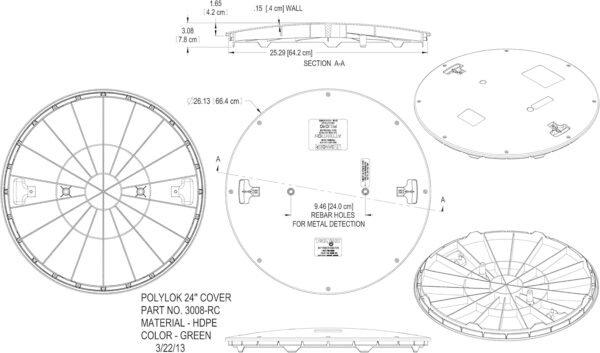
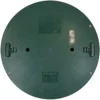
The Polylok 3008-RC is a 24 inch septic tank riser cover, molded in green high density polyethylene, with handles, a factory installed gasket and stainless steel screws supplied. The actual dimensions are 26.5 by 26.5 by 2 inches and it weighs 2.4 pounds. Polylok is the manufacturer, the listing dates to April 2014, and it carries 763 ratings at 4.7 stars, sitting 65,734th in Health and Household and 45th among septic tank treatments.
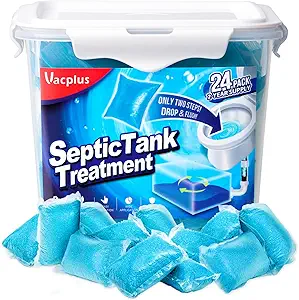
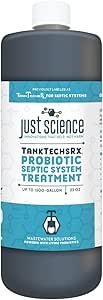
That last placement is the first thing to correct. This is a lid. It is a piece of molded plastic hardware and it contains no chemistry at all. A septic treatment is a bacterial or enzyme product poured down a drain to support the biology inside the tank, and the products that do that job are under septic treatments. Anyone who arrived looking for one wants something like the probiotic septic treatment or the VacPlus septic treatment, not a cover.
It is also fair to say that a septic riser lid is an outlier on a site built around household cleaning, laundry and pest control. It sits here because it shares a category label with the treatments, not because it belongs beside a bottle of floor cleaner.
Fit is the whole question
Polylok is unusually direct about compatibility and the statement should be read carefully before ordering. The cover is designed to fit Polylok 24 inch risers, Polylok 24 inch adapter rings and Polylok 24 inch distribution boxes, and the listing says plainly that it will not work with other manufacturers’ risers or with corrugated pipe.
That is the correct warning and it is the reason most returns in this product class happen. A 24 inch riser from a different maker is 24 inches by its own measurement, and the flange, the bolt pattern and the sealing lip will not match. Before buying, look at what is already on the tank: the maker’s name is usually molded into the riser or the existing lid. If it does not say Polylok, this is the wrong part.
Note also that the nominal size and the measured size differ, as they do throughout this trade. The product is sold as 24 inch and measures 26.5 inches across, because the nominal figure refers to the riser opening rather than to the lid’s outside edge.
Materials, and the claim with no measure behind it
High density polyethylene is the right material for the job. It does not corrode, it tolerates ground contact and freeze thaw cycling, and it is light enough to lift by hand. Concrete lids do the same job and weigh enough that two people and a bar are involved.
The factory installed gasket is the part that keeps surface water out of the tank and, just as importantly, keeps tank gases from venting at the lid. Stainless steel screws are the correct specification for something buried in wet soil, since plated steel corrodes in place and then cannot be removed at the next pump out.
The last feature bullet claims the highest ultraviolet protection on the market. No measure, no standard, no test and no comparison is given. Polyethylene does degrade in sunlight over years, becoming chalky and brittle, and ultraviolet stabilizers are a real part of the formulation for outdoor plastics. But a superlative with nothing behind it is a marketing statement rather than a specification, and this listing gives no ultraviolet rating of any kind.
One more figure is missing and it matters. There is no load rating anywhere on the page. Nothing states how much weight the cover will take, and at 2.4 pounds this is a lightweight lid, not a traffic rated one. Do not assume it will carry a vehicle, a mower or a stack of anything, and do not site a riser where it will be driven over without a properly rated cover.
The safety section that matters more than anything else
A septic tank access point is one of the most dangerous things in a residential yard, and a lid is a safety device rather than a cosmetic one.
Two hazards sit under it. The first is falling in. Children and adults have died after stepping on or removing an unsecured septic lid, and a tank is deep, sheer sided and full. The second is gas. Septic tanks generate hydrogen sulfide and methane, and the atmosphere inside a tank is immediately dangerous to life. Nobody should ever enter a septic tank, and that includes leaning in to retrieve something. Confined space entry of that kind is professional work with air monitoring and rescue equipment, and people die attempting it every year, frequently including the person who went in after them.
The practical rules follow from that. Fit every screw the cover comes with, every time, and check them at each pump out. Never leave an open riser unattended, not for a minute, and never work alone at an open tank. Keep children and pets well away while the lid is off, and stand upwind. Do not smoke or use anything with a flame near an open tank, since methane is flammable. If a lid is cracked, warped or missing screws, replace it rather than weighting it down with a rock.
Fitting it, and running costs
Installation is straightforward: clear the soil and debris from the riser flange so the gasket seats on a clean surface, set the cover square, and fit all the screws hand tight in a cross pattern rather than driving one down hard first. Do not overdrive stainless screws into plastic, which strips the boss and leaves you with a lid that will not clamp.
There is no ongoing cost to a lid beyond replacement, and this is the sort of part that gets replaced when the old one has been driven over, cracked in a frost, or lost its screws over several pump outs. Buying the maker’s own part is usually the cheapest route to a correct fit, since an adapter to make another brand’s cover work costs more than the right lid.
While the tank is accessible, it is worth thinking about what goes into it from the house. Enzyme and bacterial treatments such as the RootX treatment address roots and biology inside the system, while harsh drain products are the things most likely to disturb it, which is worth weighing before reaching for anything in the drain openers aisle.
Who should buy it and who should not
Buy it if you have a Polylok 24 inch riser, adapter ring or distribution box and you need a correct replacement lid with a gasket and stainless fasteners. It is the manufacturer’s own part and the compatibility statement on the listing is honest about its limits.
Do not buy it if your riser is any other brand or is corrugated pipe, because Polylok says outright that it will not fit. Do not buy it expecting a septic treatment, which it is not. And do not rely on it under any kind of traffic load, because no load rating is published anywhere on this page.