
Description
What you are buying, and the scale of it
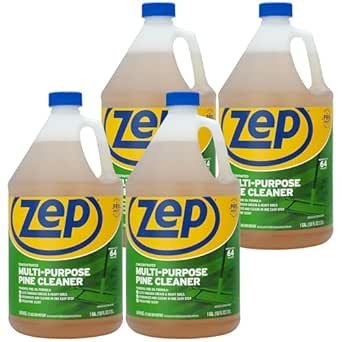
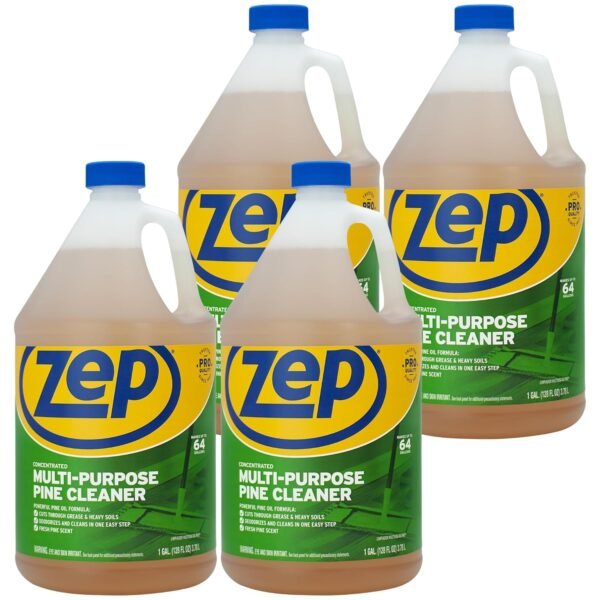
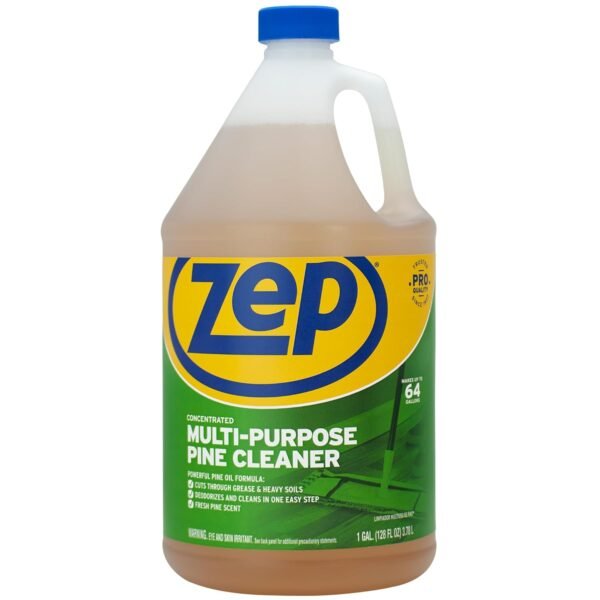
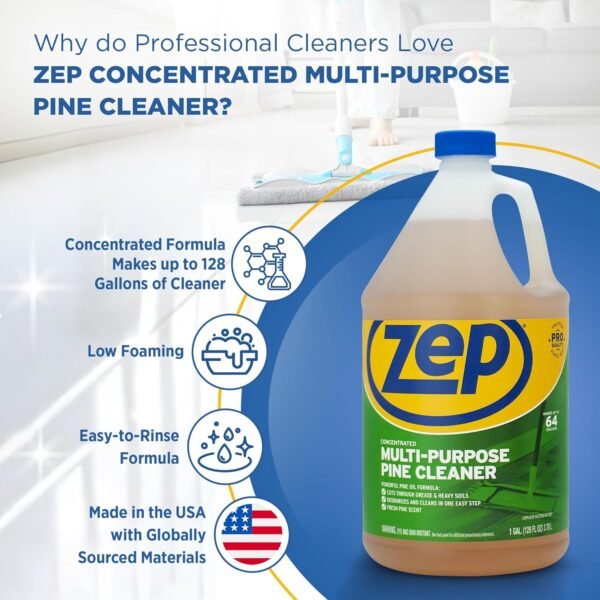
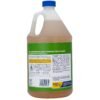
This is Zep concentrated multi purpose pine cleaner, sold as a case of four 128 ounce jugs. That is four gallons of concentrate, weighing 36 pounds on arrival, and at the dilution Zep publishes it becomes a great deal more than that. This is a commercial pack sold into a household catalog, and the quantity is the first thing to think about before anything else.
Zep gives the dilution plainly: one gallon of concentrate makes up to 64 gallons of cleaner. That works out at roughly two ounces of concentrate to a gallon of water, and it means the case in front of you yields up to 256 gallons of working solution. For a school, an office or a commercial kitchen that is a sensible purchase. For a domestic cupboard it is a decade of mopping, and a decade of storing four gallons of concentrated chemical.
Zep names walls, floors, bathtubs, shower stalls and toilets, in homes, offices and schools. If you want a smaller quantity of a general cleaner, the all-purpose cleaners category has ready to use bottles that suit a household better.
Pine oil is the active, and it is named
This listing does something most in this catalog do not: it names what does the work. Zep says the formula harnesses the power of pine oil to remove grease and grime, and leaves a pine scent behind. Pine oil is a terpene solvent distilled from pine, and terpene solvents cut greasy soils by dissolving them rather than by emulsifying them the way a surfactant does. That is why pine cleaners have historically been the choice for kitchens, changing rooms and anywhere with a heavy grease load, and it is also why they smell the way they do.
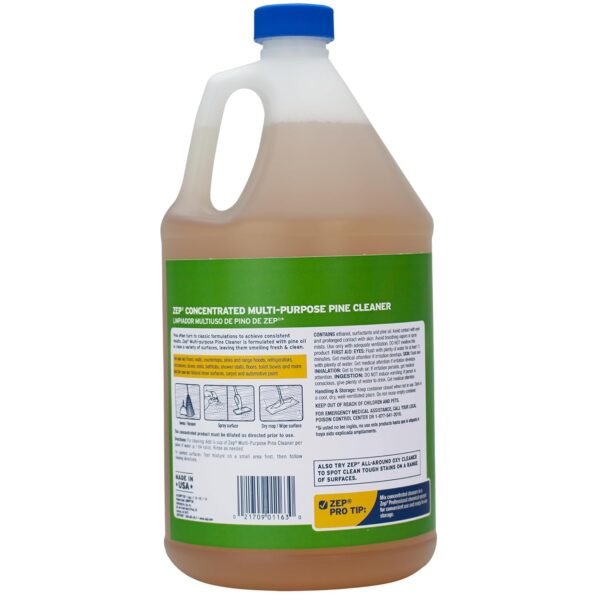
What is not published is the concentration of pine oil, the rest of the formulation, or the pH. Read the label and, for a product sold in commercial quantities, ask for the safety data sheet, which is the document that actually covers a chemical bought by the case.
The most important sentence on this page
Never mix a pine oil cleaner with bleach. This is not a general caution repeated for form, it is specific to this chemistry. Chlorine bleach reacts with terpenes, and combining a pine or citrus based cleaner with a hypochlorite bleach produces irritating and hazardous byproducts. It is also an easy mistake to make, because a mop bucket is exactly where two products get combined by someone trying to do a better job. Use one product in the bucket. Rinse it out before using another. If a surface has been cleaned with bleach, rinse it with water and let it dry before a pine cleaner goes near it. The same rule applies to acidic descalers and to ammonia based glass cleaners.
Surfaces, dilution and what to keep it away from
A terpene solvent is effective and it is not gentle on everything. Pine oil can soften and craze some plastics, degrade rubber over repeated contact, and attack certain paints and varnishes. Keep it off unsealed wood, waxed floors and asphalt or vinyl tile that has a soft finish, and test any painted or coated surface in a hidden spot before doing a whole wall. Natural stone deserves the usual caution too, since neither the pH nor the full formulation is published.
The dilution is where most of the damage in this category comes from. Zep publishes one ratio, up to 64 to 1, and gives no separate strengths for light and heavy soil. Mixing stronger than the label allows is how surfaces get dulled and how residue builds up on floors, and it does not clean better. Measure the concentrate rather than pouring by eye, add it to the water rather than the other way around, and label any spray bottle you fill with the dilution it holds.
One household consideration deserves its own line. Pine oil and other terpene compounds are a recognized concern around cats, which metabolize them poorly, and a pine cleaner used on floors covers exactly the surface a cat walks on and then grooms. Keep pets out of the room while you work, ventilate, and let floors dry fully before letting animals back in.
Handling four gallons of concentrate
Concentrated product is the most hazardous form this cleaner ever takes, and a case of four gallons is a meaningful quantity of chemical to have in a house. Wear gloves when decanting, keep it out of eyes, and work in a ventilated space, because pine oil vapor is strong and a poorly ventilated bathroom concentrates it.
Store the jugs upright, capped, in a cool place away from heat and out of reach of children and pets. Do not decant the concentrate into a drinks bottle or any unlabeled container, which is the single most common route to a serious accident with bulk chemicals. Keep the case away from bleach and acidic products in storage as well as in use, so that a spill of one cannot reach the other.
Do not mix the diluted solution in a bucket that has anything else in it. Do not top up a half used bucket with a different cleaner. And do not use the concentrate undiluted in the belief that it will work faster on a stubborn floor, because undiluted terpene solvent on a finished surface is how finishes get stripped.
Cost structure, and the alternatives
The economics of a concentrate at 64 to 1 are genuinely strong, and this is the clearest cost case in this part of the catalog: a gallon becomes 64 gallons, and almost all of what you are paying to ship in a ready to use bottle is water. Set against that, the case pack front loads the cost, the product occupies a lot of shelf, and there is no published shelf life to say how long an opened jug stays usable. Buying one gallon rather than a case is the sensible domestic compromise where that option exists.
Alternatives worth comparing on the same basis include the Melaleuca Mela Magic all purpose cleaner, another concentrate sold for general cleaning, and the Branch Basics concentrate, which publishes several dilutions for different tasks rather than one. For a ready mixed option in a household quantity, the Mr Clean liquid cleaner is the mainstream benchmark, and for floors specifically the OdoBan floor cleaner and the wider floor cleaners category cover the same use. If disinfection rather than cleaning is what you need, that is a separate product with a registered label, such as the CloroxPro Clean-Up with bleach, which is precisely the product this one must never share a bucket with.
Who should buy it, and who should not
Buy it if you clean a large area regularly, you will measure the dilution, and a case of four gallons matches your actual consumption. Naming pine oil as the active and publishing a clear dilution ratio put this listing ahead of most concentrates in this catalog. Skip it if you want a household quantity, if you have cats and would rather not use a terpene cleaner on their floors, if your surfaces are unsealed wood, soft vinyl or coated finishes, or if anyone else in the building might combine it with bleach. That last risk is the one to weigh hardest, because a shared cleaning cupboard is where it happens.