Description
A registered disinfectant sold as a pour, not a spray
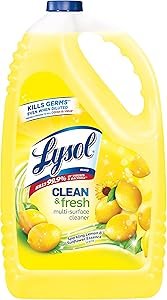
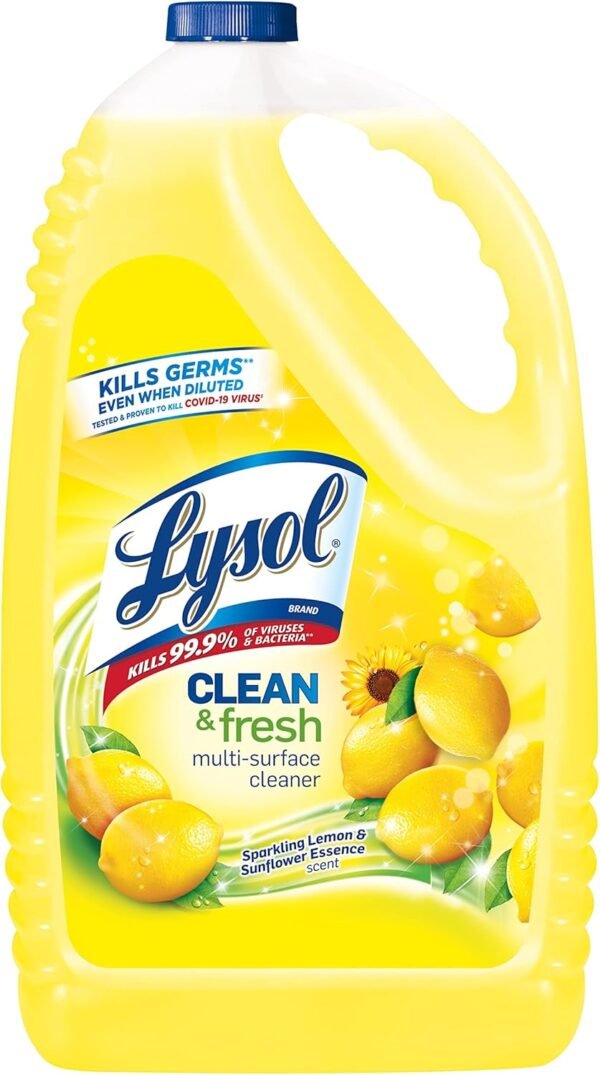
This is Lysol Multi-Surface Cleaner in a 144 fluid ounce bottle, Sparkling Lemon and Sunflower Essence, model 36241-77617. The word to notice in the product name is pour. This is not a trigger spray. It is a large bottle of liquid that you pour, either neat onto a cloth or into a bucket of water, and that format is why the listing describes it as suitable for offices, nursing homes, schools and stores as well as homes.
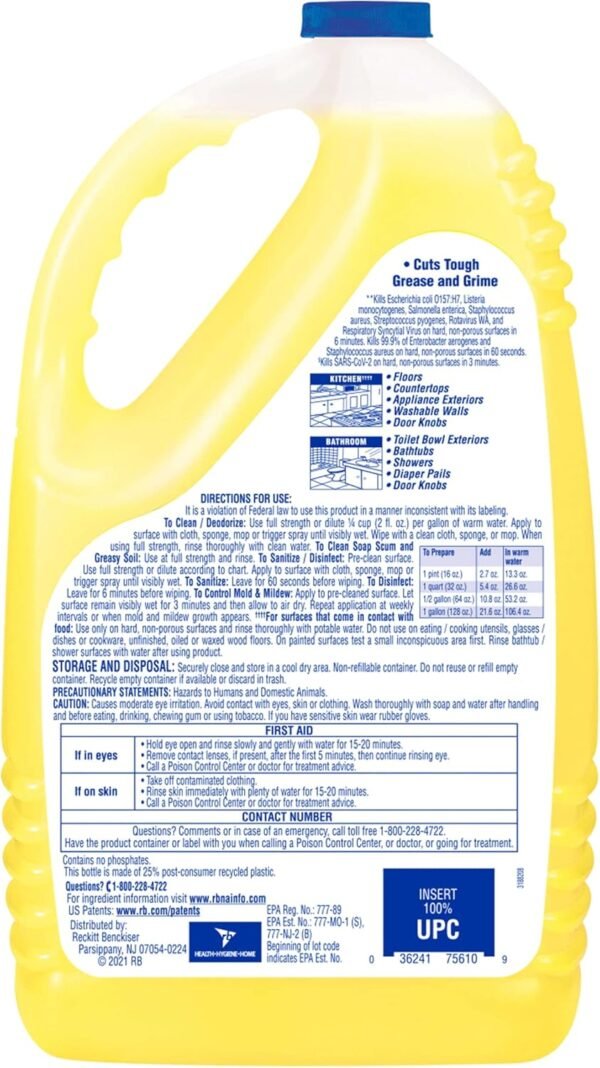
It is also a registered product rather than a plain cleaner, and the listing gives the registration number: EPA Reg 777-89. That number matters. Surface disinfectants sold in the United States with kill claims are registered pesticides under federal law, and the registration number is what lets anyone look up exactly what the product is approved to claim. Very few listings in this catalog publish one, and this one does.
One important note before anything else: the specification block states that the item is discontinued by the manufacturer. If you are choosing a product to standardize on, that is worth knowing, because a discontinued line eventually becomes hard to reorder.
The claims, attributed, with the detail that decides whether they hold
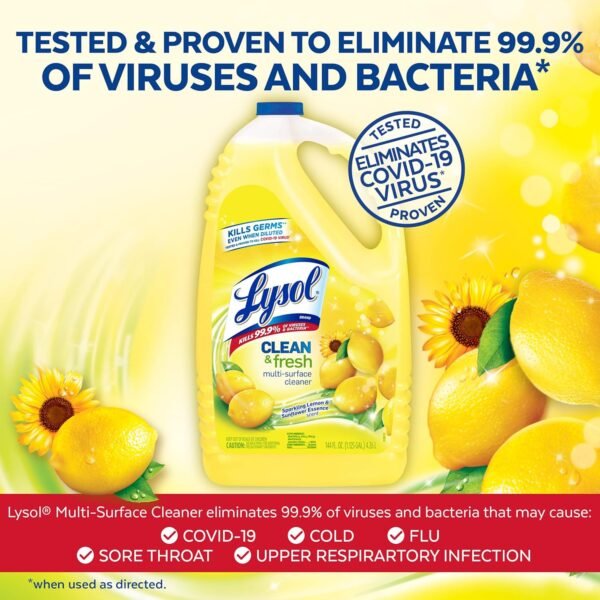
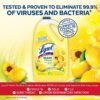
Reckitt states that the product kills 99.9 percent of viruses and bacteria, and it is specific about the strongest of those claims: the listing says it kills SARS-CoV-2 on hard, non porous surfaces in three minutes. It also states the product removes soap scum, cuts grease, deodorizes and controls mold and mildew.
Those are the manufacturer’s claims and they belong to the label, not to this review. What the reader needs is the qualifier that comes with them, and here it is unusually clearly stated: three minutes of contact time. A disinfectant claim is a claim about a surface that stays visibly wet for the stated period. Wipe the surface dry after thirty seconds and nothing has been disinfected, however good the product is. That single misuse is the most common failure with every product in this category, and it is worth planning around: apply enough liquid, leave it, and come back.
The listing does not name a pathogen beyond SARS-CoV-2, so no other organism should be inferred, and the phrase controls mold and mildew is a label claim rather than a promise that a mold problem will be solved. Mold in a bathroom grows because of moisture, and no surface product fixes ventilation.
The dilution gap
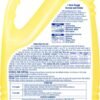
Here is the significant omission. One bullet states that the cleaner can be used to disinfect and sanitize hard surfaces even when diluted, and the listing gives no dilution ratio anywhere. For a registered disinfectant that is a meaningful gap, because the registered kill claims apply at a specific concentration and contact time. Diluted further than the label allows, the claims do not hold. Read the dilution table printed on the bottle and follow it exactly. Do not estimate, and do not assume that a stronger mix works faster.
The specification block also contains a field reading “Material Feature: Biodegradable Warning”, which is not a coherent statement and appears to be a corrupted import value. The department field reads Unisex-Adult, which is apparel metadata. Amazon ranked this bottle second in Disinfectant Sprays and Liquids when the data was captured.
Surfaces, and where not to use it
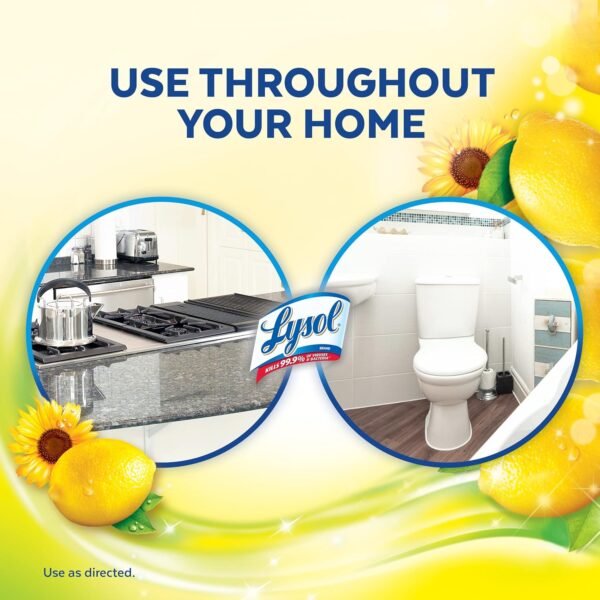
The listing names walls, garbage cans, floors, washable paper, ceramic tile and similar hard, non porous surfaces. Non porous is the operative word. Disinfectant claims do not transfer to porous materials such as unsealed wood, grout, fabric, carpet or unsealed stone, because the product cannot maintain wet contact on a surface that absorbs it.
Do not use it on food contact surfaces unless the label specifically permits it, and where a label does permit it, a potable water rinse afterward is normally required. Keep it off natural stone, unsealed wood and aluminum. Test any painted or varnished surface in a hidden spot, since a strong cleaner can soften some finishes.
It is not a hand product. A surface disinfectant must never be used on skin, and if hand cleaning is what you want, that is an entirely different product category.
Handling a large bottle of a registered product
Nine pounds of concentrate needs care in three places: pouring, diluting and storing. Pour slowly into a bucket that already has water in it rather than adding water to concentrate, keep your face away from the neck of the bottle, and do not pour at eye level. Ventilate the room while you work, and if you are cleaning a small bathroom, open a window or run the extractor.
Store it capped, upright, out of reach of children and pets, and away from heat. Do not decant into an unlabeled bottle and never into a drink container. If you make up a diluted solution in a trigger sprayer, label the sprayer with the product name and the dilution, and use a clean bottle that has not held another cleaner.
The mixing rule is absolute and it matters more with a registered product than with a plain cleaner. Never combine this with any other cleaning product. Do not mix it with chlorine bleach, do not mix it with an ammonia based glass cleaner, and do not use it on a surface immediately after an acidic descaler such as a toilet bowl or limescale product. Bleach with acid releases chlorine gas and bleach with ammonia releases chloramine, and a bathroom is the worst possible room in which to find out. If a surface has been treated with something else, rinse it and let it dry first.
Wear gloves if you are cleaning for any length of time, wash hands afterward, and keep people and pets off wet floors until they dry.
Cost structure and the alternatives
A 144 ounce pour bottle used diluted is the cheapest way to buy disinfection per surface cleaned, which is exactly why institutions buy this format. The trade offs are handling weight, the need to measure, and the fact that you must supply your own labeled sprayer or bucket.
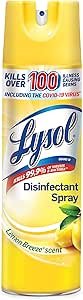
If you want a ready to use format instead, the catalog carries the Lysol disinfectant spray and the Lysol disinfecting cleaning spray from the same brand, and the Clorox disinfecting all purpose cleaner as a mainstream alternative. For equipment and gym use there is the Purefy sports equipment disinfectant. The full disinfectant spray and liquid listings and the disinfectant wipe listings cover the formats side by side.
Who should buy this and who should not
Buy it if you disinfect regularly across a large area, you are comfortable diluting according to a printed table, and you want a registered product with a published registration number rather than a cleaner making vague claims. For a school, an office or a large household it is the sensible format.
Do not buy it if you want a grab and spray bottle, since this is a pour concentrate. Do not buy it as a general cleaner if you will not observe the three minute contact time, because in that case you are paying for a claim you are not using. And note that the listing states the item is discontinued, so plan for a replacement.