


Description
A small bottle tied to one machine
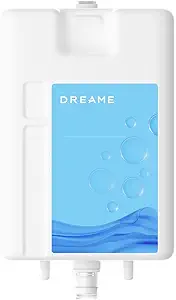
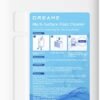
Dreame sells this as a 15.22 fluid ounce bottle of multi surface floor cleaning solution developed for its L20 Ultra robot vacuum and mop. The robot mop category has created a genuinely new consumable: a liquid that goes into the base station’s clean water tank, gets metered into the mop pads automatically, and has to behave itself in a closed system full of pumps, sensors and narrow tubing.
That constraint is why manufacturer specific solutions exist and why they cost more per ounce than a bottle of floor cleaner. A robot base station cannot tolerate foam, cannot tolerate anything that leaves a film on a pad, and cannot tolerate residue that dries in a line and blocks a dosing channel. Most robot vacuum makers state in the manual that only their own solution should be used, and some are explicit that other cleaners void the warranty on the station. Before buying anything, including this bottle, check the manual for your specific model. This one names the L20 Ultra and no other Dreame machine.
What is in the bottle, which is nothing the listing will say
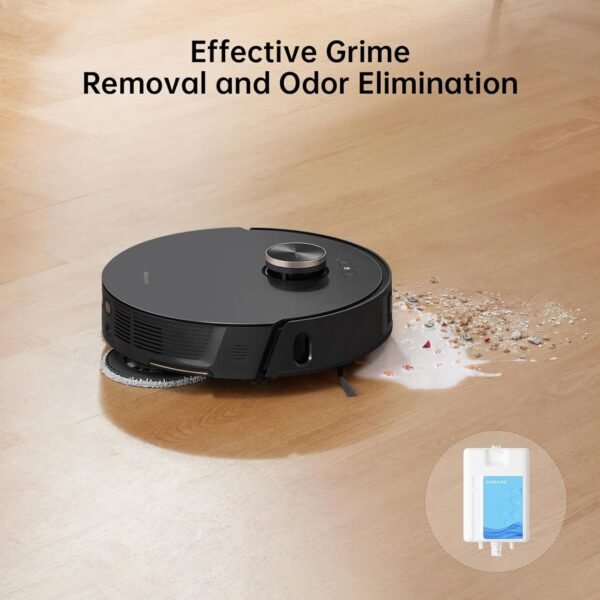
There is no ingredient list, no active, no pH, no concentration and no description; the description field on this listing is empty. The four content bullets say the solution gives a deep clean and shine, is effective and safe on various floor types, eliminates odors, and was developed for the L20 Ultra.
The missing dilution is the practical gap
The bottle is small, 15.22 fluid ounces, and no dose is published anywhere: not millilitres per tank, not a capful figure, not a number of cleaning sessions per bottle. That makes it impossible to work out the running cost from this page, which is the number a buyer of a consumable actually needs. It also matters for the machine: overdosing a robot’s water tank is the standard way to end up with sticky pads, a slick film on the floor and a dosing line that gums up. The dose is printed on the bottle or given in the robot’s app, and that is the only figure to follow. Do not improvise one and do not scale up because the floor looks dirty.
Floors it is offered for, and the claim that deserves a test
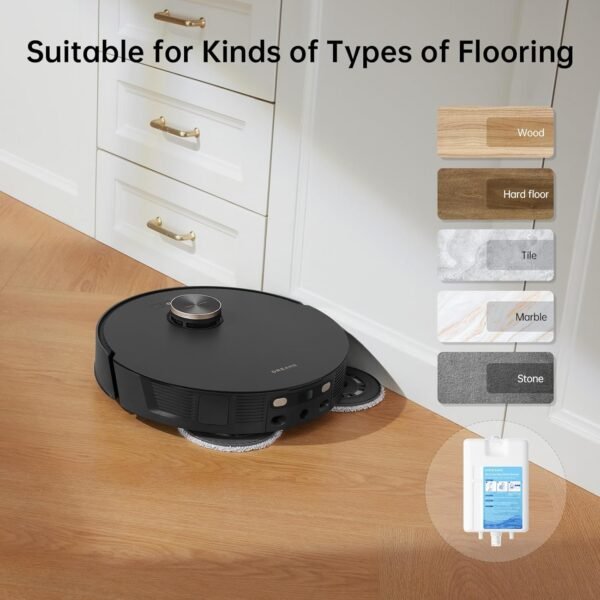
Dreame states the solution is effective and safe for various types of flooring, naming wood, tile and marble. Tile is uncontroversial. The other two are worth a second look.
Marble is acid sensitive and etches permanently on contact with anything acidic, and it is also porous enough to stain. A cleaner offered for marble is implicitly claiming to be pH neutral, but no pH figure appears in this listing, so treat the claim as an assertion rather than a specification and test in a hidden corner before letting a robot run across a marble floor unattended. Wood carries a different risk: the issue with any robot mop on wood is not usually the chemistry but the water, since a pad that stays wet on a seam will lift a finish over time. Sealed, modern wood floors generally cope; older finishes, waxed floors and anything with gapping should be kept out of the mopping map entirely. Unsealed stone and unglazed terracotta should also be excluded.
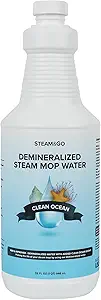
If you would rather not commit a delicate floor to a robot at all, a manual system such as the Bona multi surface spray mop gives you control over how much liquid lands where, and a steam free approach avoids the heat question that products like the Steam and Go demineralized water exist to serve.
Filling, running and storage
Fill the base station’s clean water tank with water first and add the solution to the marked dose, rather than pouring solution into an empty tank and topping up, which leaves an unmixed slug of concentrate at the bottom. Empty and rinse the dirty water tank after every session; a robot that returns dirty water to a sealed reservoir grows an unpleasant smell within days, and that smell is very often blamed on the cleaning solution rather than on the tank. Wash the mop pads regularly and without fabric softener or a dryer sheet, because a softening coating destroys the pad’s ability to hold soil.
On safety, treat this as a household cleaning chemical even though it lives inside an appliance. Keep it capped and out of reach of children and pets, do not decant it into an unlabeled bottle, and never add anything else to the tank. Do not put bleach, vinegar, an ammonia glass cleaner, a general purpose floor detergent or a disinfectant into a robot’s water reservoir: the machine has no venting, no way for you to see a reaction, and a mixture can damage seals and pumps as readily as it can produce something you should not breathe. If a floor needs disinfecting, do that separately by hand with a product labeled for it, then let the robot do routine cleaning afterward.
Cost, and the honest alternative
With no dose published there is no way to state a cost per session, but a 15.22 ounce bottle in a category where general floor cleaners come in 32 to 128 ounce jugs is a premium format, and that is the trade robot owners accept in exchange for a solution the manufacturer has approved for the machine. Whether it is worth it is a warranty question as much as a cleaning one. A base station is the expensive part of a robot mop, and a cheaper bottle that clogs a dosing line is not a saving.
The realistic comparisons are the other machine specific solutions, such as the Narwal Freo Z Ultra floor cleaner for that brand’s robots, or a hard floor formula built for a wet vacuum such as the Bissell hard floor formula. For manual mopping there is a much wider and cheaper field, including options like the NXPPYY floor cleaner. The rest of the shelf is under floor cleaners, with the hardware under wet and dry mops.
The specification block on this listing is the most scrambled in this batch and every field should be treated with suspicion. Capacity reads 15 liters while the title sells 15.22 fluid ounces, which is about 450 millilitres, so the capacity field is wrong by a factor of more than thirty. Power source reads battery powered and form factor reads robotic, on a bottle of liquid. Special feature reads multi floor mapping, which is a robot vacuum function. Color reads white. Those attributes were clearly inherited from a robot vacuum listing rather than entered for this product. The item weight of 1.28 pounds is consistent with a 450 millilitre bottle. It currently ranks 222nd in the retailer’s household floor cleaners chart on 137 ratings averaging 4.6 stars.
Who should buy it
Buy it if you own a Dreame L20 Ultra and you want the solution the manufacturer developed for it, which is the low risk choice for the base station and for the warranty. Skip it if you own a different robot, if your floors are unsealed, waxed or delicate marble you would rather not test, or if you mop by hand, where far larger bottles cost far less per use.