Description
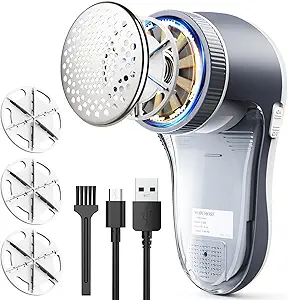
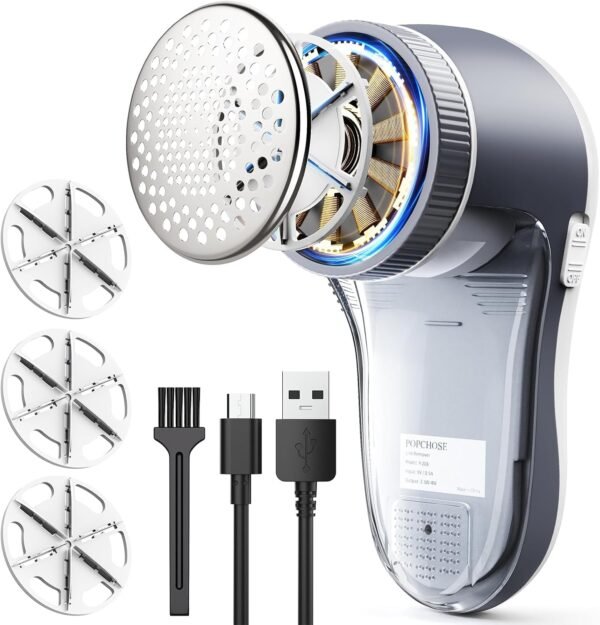
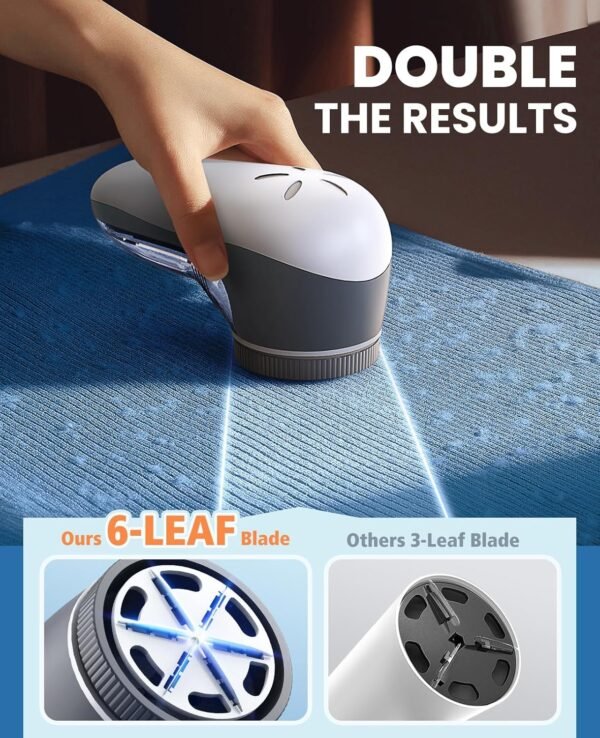
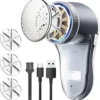
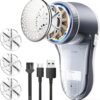
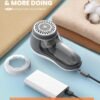
The POPCHOSE Y-208 is a handheld electric fabric shaver with a six blade cutting head, a 1200 milliamp hour rechargeable battery, USB charging, a removable lint container and two spare blade sets in the box. It weighs 8.1 ounces and stands about five and a half inches tall. Its job is narrow and useful: cutting the pills off a fabric surface without cutting the fabric.
What pilling is, and why a shaver is the right answer
Pills are not dirt and they do not wash out. They form when short fibers work loose from a yarn, tangle at the surface and roll into a ball that stays anchored by a few longer fibers. Friction causes them, which is why they appear first where a sleeve rubs a desk, where a bag strap crosses a coat, and on the seat of a sofa. No detergent removes them, and no amount of washing helps.
The only real fix is to cut them off, which is exactly what a shaver does: a rotating blade behind a perforated screen slices any fiber that stands proud of the surface while the screen keeps the blade off the fabric itself. Done properly it restores the look of a garment or an upholstered seat considerably, and the household this fits is one with knitwear, blankets, a fabric sofa or a car interior rather than one buying a laundry product.
The specifications, and how to read them
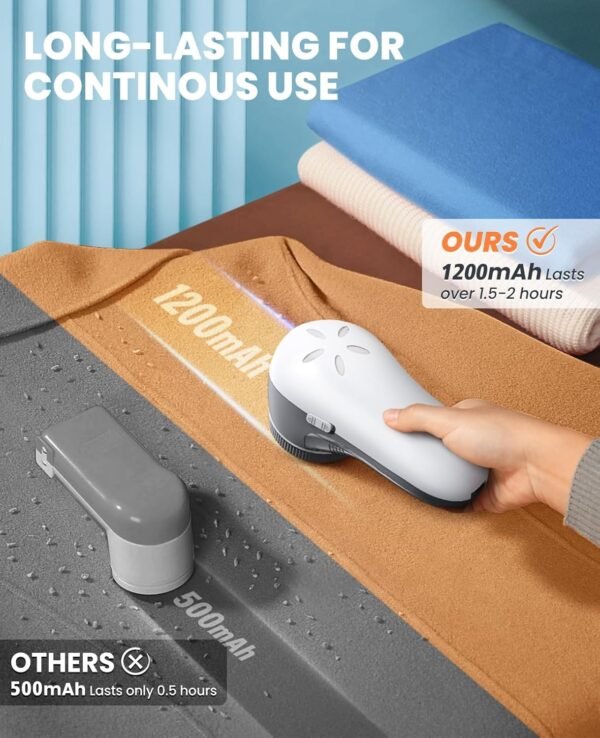
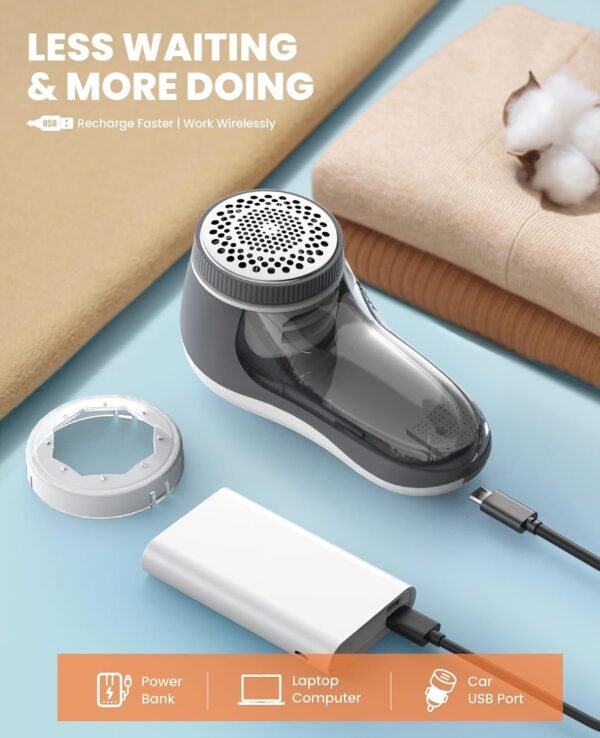
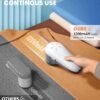
POPCHOSE gives a blade speed of 9000 rotations per minute, a battery of 1200 milliamp hours delivering between one and a half and two hours of continuous use, and USB charging that works from a power bank, a laptop or a car. The manufacturer contrasts that battery against 500 milliamp hour competitors offering around half an hour, which is the brand’s own comparison rather than an independent test, but the capacity figure itself is a real number and it is the one that matters if you are shaving a whole sofa rather than one sweater.
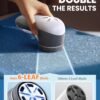
The head design is described as a honeycomb mesh, and the box includes a protective cover that changes what the tool does. With the cover off, the shaver works on cotton, synthetics and general fabric. With the cover on, POPCHOSE states it protects delicate fabrics such as wool sweaters by preventing snags. That is a genuinely important control and it is the feature most likely to save a garment, so identify it before the first use rather than after.
The safety lock, and the troubleshooting step it causes
The manufacturer describes a lock that stops the blade immediately if the cover is open or loose, and calls it a zero risk safety lock. That description is the brand’s own and no safety standard is named anywhere on the listing, but the mechanism is a sensible one and it explains an entry further down the same page: the troubleshooting note says that a shaver which will not turn on usually needs the blade cover removed, the lint cleared, the safety lock pressed firmly until it clicks, and the head reassembled. In other words, the most common failure is not a fault, it is the interlock doing its job. Knowing that in advance saves a return.
Fabrics it suits, and where to be careful
POPCHOSE names winter coats, sweaters, scarves, gloves, plush toys, car cushions, sofas, leggings, bedding, curtains and linens. That covers the two real use cases, which are knitwear and upholstery. Thick, stable knits and woven upholstery are the easiest surfaces because the fabric sits flat and does not get pulled into the head.
Be careful with anything loose, stretchy or fine. Very loosely knitted items, lace, chiffon, anything with an open weave and anything already thinning at an elbow can be drawn into the screen, and a shaver on a worn patch can cut a hole rather than a pill. Cashmere and fine wool need the protective cover and a light touch. Keep the head away from seams, buttons, zips and embroidery, which can jam the blade, and off anything with a printed or heat applied graphic. Never use it on a garment you are wearing.
Working with it, and the maintenance nobody does
Lay the item flat on a hard surface rather than shaving it on a hanger or on your lap. A flat, supported fabric cannot be pulled into the head, and that single habit prevents most of the damage people blame on the tool. Move the shaver in small circles or short straight passes with light pressure, and let the blade do the work: pressing harder pulls the weave into the screen instead of cutting more.
Empty the lint container often. A full chamber slows the blade, and POPCHOSE’s own troubleshooting sequence starts with clearing lint for exactly that reason. Use the supplied brush, keep water away from the head, and never rinse the cutting assembly. The two spare blade sets are there because blades dull, and a dull blade tugs at fabric rather than cutting it, which is when garments get damaged. Change the blade when the tool starts pulling.
Safety is mostly about the blade and the battery. Switch the device off and unlock it before opening the head, keep fingers clear of the blade even when it looks stationary, and keep the shaver and its spare blades out of reach of children. The lithium cell should not be left charging unattended overnight, should not be stored flat for months or left in a hot car, and goes to a battery recycling point at end of life rather than into household trash.
Cost of ownership, and the alternatives
The running cost is a blade every so often and nothing else, since USB charging removes disposable batteries from the equation. Weighed against replacing a pilled sweater or a tired looking sofa cushion, that is a favorable comparison, and the two spare blades included mean the first replacement is already paid for. The practical limit is the same as with any small rechargeable appliance: the battery defines the working life of the product, and no replacement cell is offered.
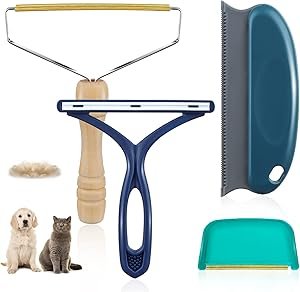
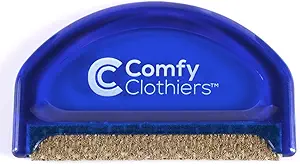
For comparisons in the same format, our reviews of the Vasson fabric shaver, the Comfy Clothiers fabric shaver and the MR SIGA fabric shaver cover other electric options, and the lint removers category lists the powered and manual tools together.
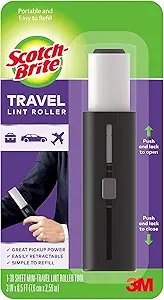
A shaver and a roller solve different problems and most households want both. Loose lint, hair and thread sit on top of the fabric and lift off with adhesive, which is what our write up of the Layers lint roller covers. Reducing lint in the first place is a laundry question, and the dryer sheets category covers the products aimed at static and fiber shedding in the dryer.
Who should buy it, who should not
Buy it if you own knitwear or fabric furniture that has started to look tired and you want a rechargeable tool with a protective setting for delicates. Skip it if your fabrics are mostly fine, loose or already worn thin, where a shaver is a risk rather than a fix, and skip it if you were looking for something to remove hair and loose lint, which is a roller’s job rather than a blade’s.