
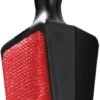
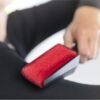
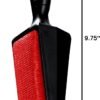
Description
The job a reusable lint brush is for
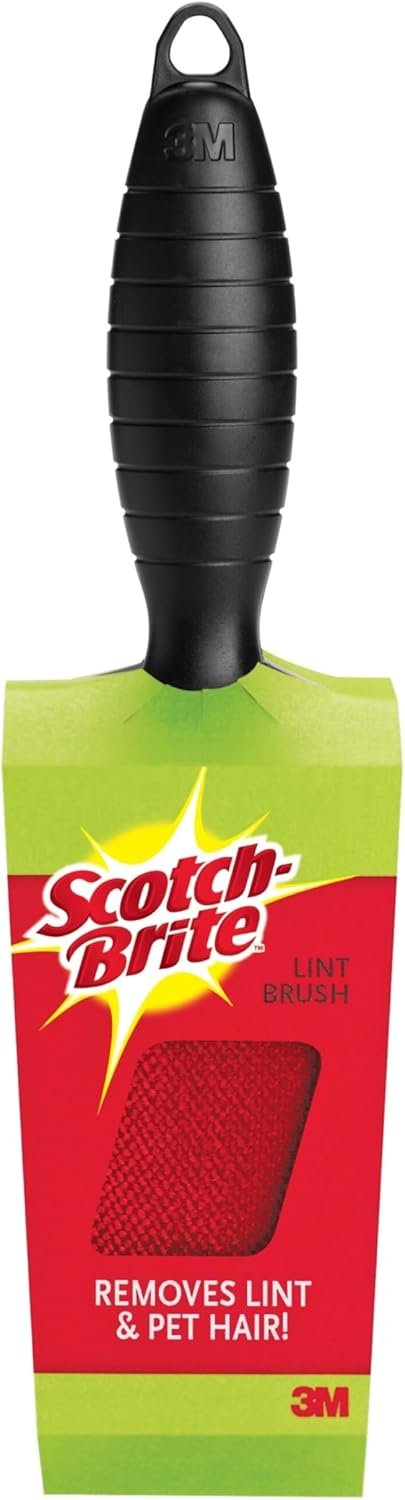
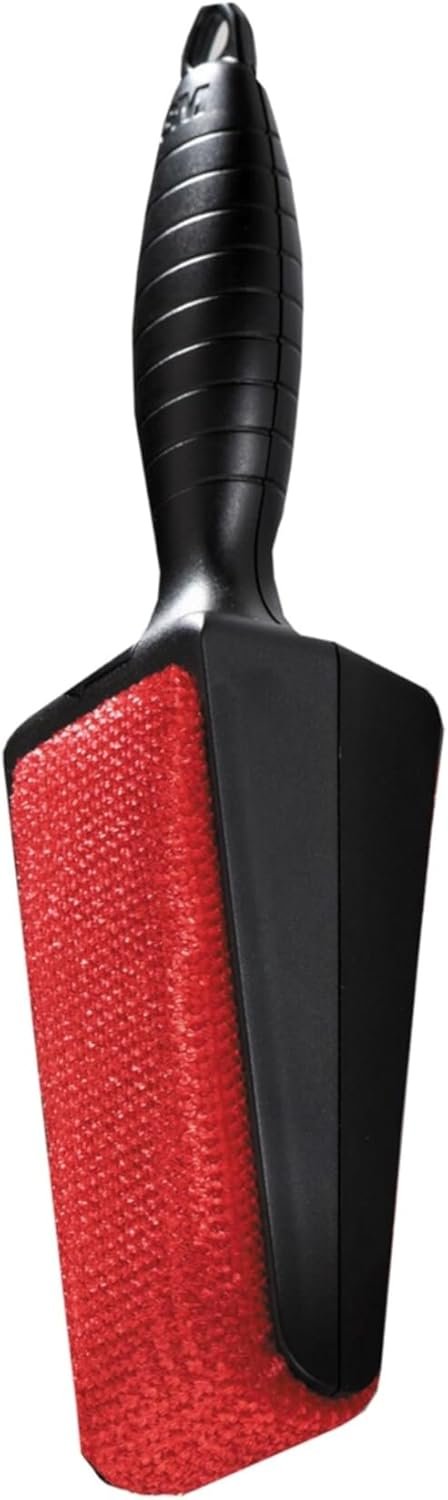
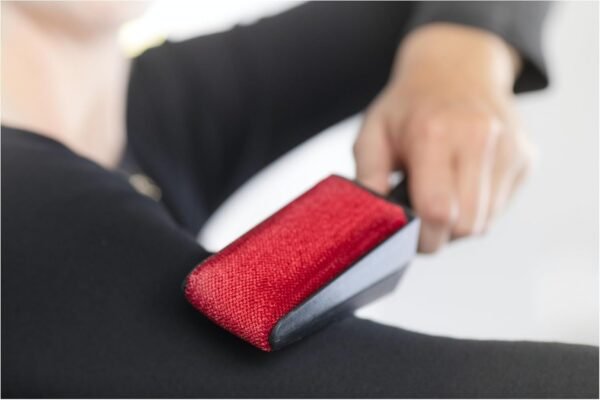
The Scotch-Brite Lint Brush belongs to the small group of laundry tools that use no chemistry at all. There is no propellant, no solvent, no fragrance and nothing to read on a safety label. It is a handled head covered in directional fibers that lift pet hair, lint and fluff off fabric by friction, and the listing describes it as double sided with an angled head, reusable, and carrying no adhesive.
That last detail defines the household it fits. Adhesive rollers work by sticking hair to a sheet you then peel off and throw away, which means an ongoing consumable and a small pile of waste after every use. A fiber brush works by dragging fiber against fabric in one direction, collecting the debris in the brush rather than on a disposable sheet. If you own a shedding animal and you clear a sofa or a coat every day, the difference between a consumable and a reusable tool compounds quickly. If you need a lint tool twice a year before a wedding, an adhesive roller such as the Layers LRR02 lint roller is the simpler purchase.
How the head is described, and how thin the specification is
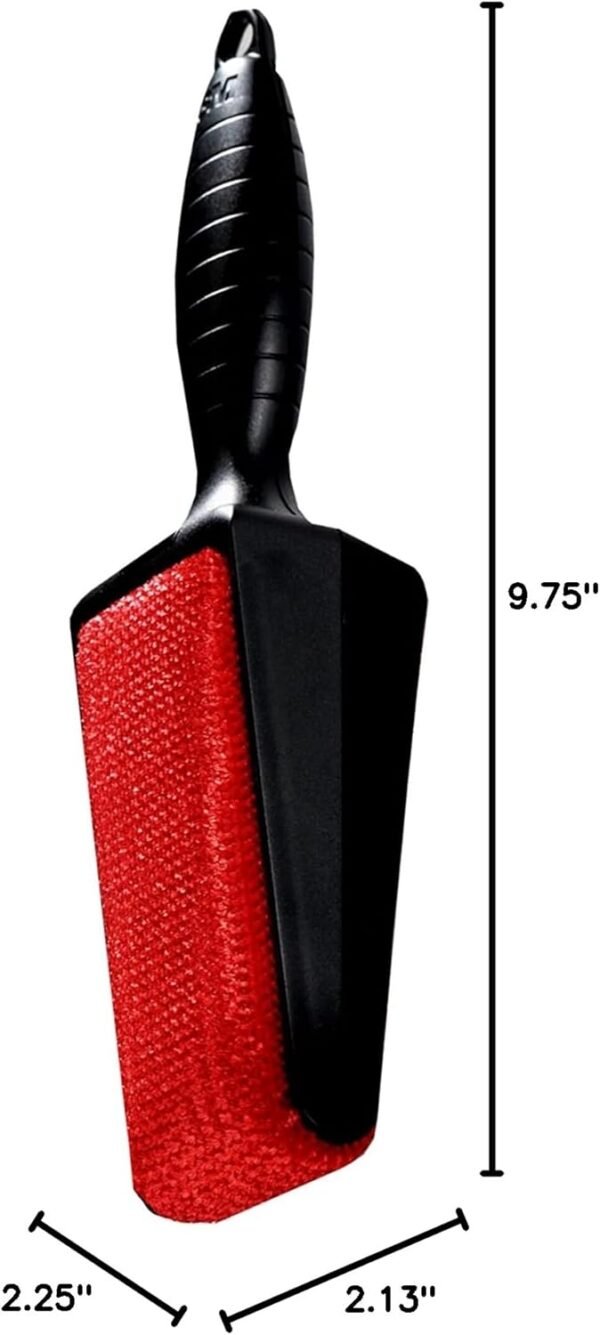
3M gives four feature bullets and nothing else: “Double-sided angle head for easy use”, “Fibers clean easily for a ‘fresh’ brush every time”, “Easily removes debris from clothes” and “Stores easily”. The specification block for this listing is completely empty. There is no length, no head width, no weight, no fiber material, no handle material and no country of origin. A buyer cannot tell from the page whether the handle is six inches or twelve, whether the fibers are nylon, polyester or a natural bristle, or how the two sides of the head differ from one another.
The self cleaning claim needs unpacking
The bullet stating that the fibers clean easily for a fresh brush every time is the closest thing to a mechanism on the whole page, and it is left unexplained. Reusable fiber brushes generally rely on the direction of the pile: stroking one way collects, stroking the other way releases the collected mass into a ridge you can pull off with your fingers. Some designs pair that with a second, coarser side. The listing does not say which approach this brush uses, so treat the phrase as a manufacturer statement rather than a described feature, and expect a short period of working out which stroke direction does what. If a genuinely self emptying design matters to you, a magnetic collector such as the magnetic lint bin solves a related problem in the laundry room itself.
Fabrics it suits and fabrics to be careful with
The listing names bedding, sofas and clothing as intended surfaces, and pet hair, cat fur, dog fur and fluff as the intended debris. Those are all woven or upholstered surfaces with enough structure to take a firm stroke. A fiber brush is well suited to wool coats, cotton bedding, tightly woven upholstery, car seats and blankets.
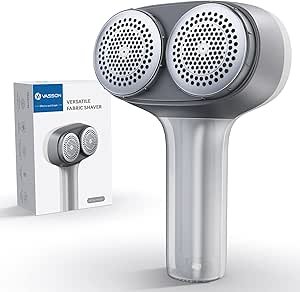
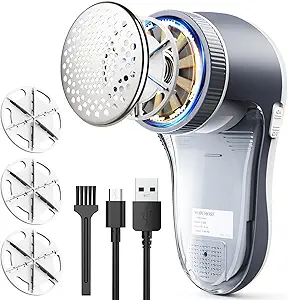
The surfaces to approach carefully are the ones the listing does not mention. Loose knits, boucle, brushed mohair and anything with a long or delicate loop pile can be pulled by a stiff directional fiber, so start with light pressure in an inconspicuous area. The same applies to sequined, beaded or heavily embellished fabric, and to leather or vinyl where a brush does nothing useful anyway. A brush also cannot solve pilling: the small balls of tangled fiber that form on knitwear are attached to the garment, not resting on it, and lifting them requires a cutting tool such as the Vasson HHLR01 fabric shaver. Buying a lint brush for pills is the most common mismatch in this category.
Using it well, and keeping it working
There is no dilution, no dwell time and no ventilation requirement here, which is a genuine advantage over every chemical route to the same result. The handling notes are practical rather than safety related. Work in short overlapping strokes in a single direction rather than scrubbing back and forth, because scrubbing redistributes hair instead of collecting it. Empty the head before the fibers pack solid; a loaded brush stops picking up and starts pushing hair around. Keep the brush dry. Fiber heads that get wet tend to mat, and the listing gives no washing instruction, so there is no manufacturer guidance saying the head can be rinsed.
Store it where the head is not crushed against something, since a permanently flattened pile loses its directional bite. Because there is nothing to spill and nothing to inhale, this is one of the few laundry room items that can sit in an accessible drawer without a second thought, unlike the detergents and reactive cleaners kept elsewhere in the same room.
What it costs to keep using, and what to compare it with
The cost structure is the strongest argument for a brush of this type. One purchase with no refills replaces a stream of adhesive sheets, and the only failure mode is the fiber pile eventually flattening. Against that, an adhesive roller lifts fine dust and short hairs more completely on smooth fabric, and a sticky sheet reaches into a car seat seam better than an angled brush head. Many households end up owning both and keeping the brush by the door for coats.
Worth comparing directly: the smaller Scotch-Brite mini lint remover from the same brand for bag or desk use, and a silicone or rubber edged pet tool such as the Axlunar pet hair remover, which uses static and drag rather than fiber and tends to be stronger on carpet and weaker on garments. The wider lint removers category covers rollers, brushes, shavers and magnetic collectors side by side, and the dryer sheets category is worth a look if the underlying problem is static attracting lint back onto clothes in the first place, because reducing static in the dryer removes some of the work before the brush ever comes out.
Who should buy it and who should not
Buy it if you have a shedding pet, you clear the same coat, sofa or duvet repeatedly, and you would rather own one tool than restock adhesive refills. Buy it also if you want a laundry tool with no chemical exposure of any kind. Do not buy it if your actual problem is pilling on knitwear, if you need documented dimensions and materials before ordering, or if your fabrics are delicate loops and open knits where a directional fiber brush is the wrong instrument. The empty specification block is the honest weakness of this listing: everything a buyer would want measured is missing, and the four bullets say very little.