Description
What a CR123A is, and where these are aimed
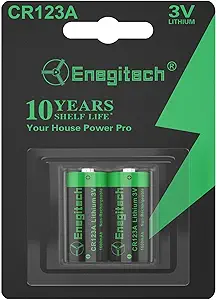
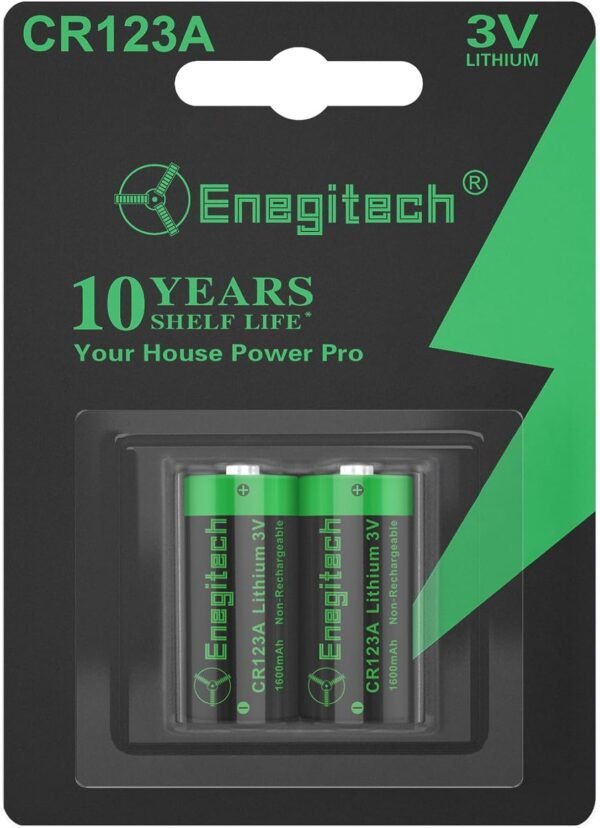
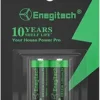
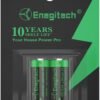
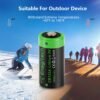
The CR123A is a 3 volt lithium primary cell, roughly the size of two thirds of an AA in length and slightly fatter, and it is the standard cell for devices that need a high, stable voltage for a long time in a small package. Enegitech sells this one as a two pack with a stated capacity of 1600 milliamp hours, and lists the equivalents it replaces: CR123, CR123A, CR17345, DL123A, EL123AP, K123LA, SF123A and VL123. Those are all names for the same physical cell, so a device labeled with any of them takes this battery.
The named applications are what make this listing worth reading carefully. Enegitech lists flood and freeze sensors, smart locks, smoke alarms, smoke detectors, water leak detectors and other home alarm system devices, and the product title adds carbon monoxide alarms. Every one of those is a life safety or security device, which is a different category of purchase from a battery for a flashlight or a camera. The listing records 897 ratings averaging 4.6 stars, a rank of 31st in 3V Batteries, and a first availability date of August 2023.
The cell chemistry and the protection circuit
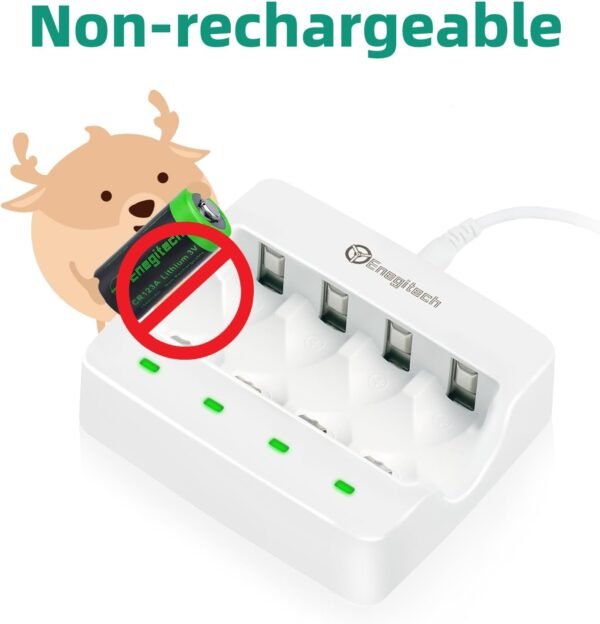
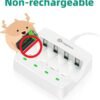
This is a non rechargeable lithium primary cell, and the listing is emphatic about it, stating in capitals within the first bullet that these are disposal batteries and must not be charged. That warning is there for a reason. A CR123A packs a lot of energy into a small can, and attempting to charge a primary lithium cell can cause it to vent, rupture or catch fire. There are rechargeable cells in the same physical size, usually sold as RCR123A or 16340, and they run at a different voltage. Do not treat the two as interchangeable.
What PTC protection actually does
Enegitech states that the cells have built in PTC protection covering pressure, temperature and current. A PTC is a positive temperature coefficient device, a small component whose resistance rises sharply as it heats. In a battery it acts as a resettable current limiter: if the cell is shorted or drawn down too hard, the PTC heats, resistance climbs and current falls to a trickle, which prevents the runaway heating that causes a lithium cell to fail violently. It is a genuine safety feature and worth having. Enegitech goes further and claims higher safety performance than other brand batteries, which is an unsupported comparison and should be read as marketing rather than as a measured result.
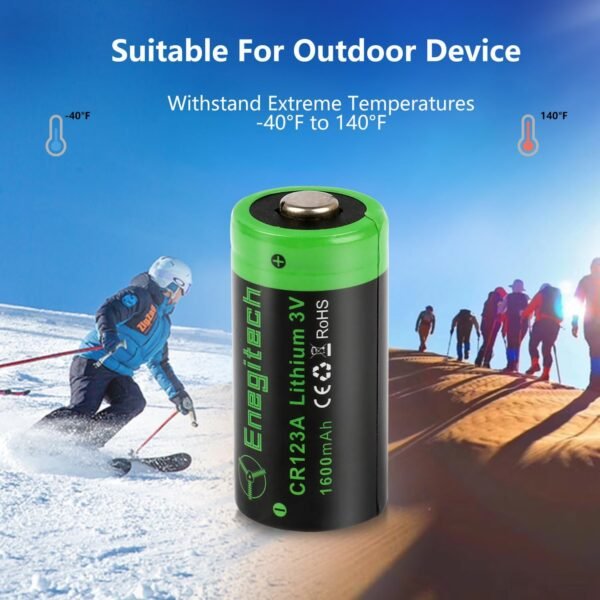
Enegitech also claims up to 10 years of standby power. Standby is the operative word: that figure describes shelf and low drain life, not the runtime you get in a device that is actually working, and a smoke alarm that self tests and chirps draws more than a sensor sitting idle. Treat 10 years as a storage life claim.
Devices, fitment and the life safety caveat
Physical fitment is simple because the CR123A is a defined size. The point that needs stating plainly is different, and it is the most important thing on this page. Smoke alarms and carbon monoxide alarms are certified as complete units, and the alarm manufacturer specifies which battery may be used in them. Using a battery the alarm maker has not specified can put the unit outside the conditions it was certified under, and in a device whose entire purpose is to wake you up at three in the morning, that is not a corner to cut. Check the alarm’s own manual or the label inside the battery compartment, and use what it names. If it names this cell, fine. If it names a specific brand or a sealed ten year battery, follow that instead.
The same logic applies to smart locks and alarm sensors, though the consequences are inconvenience rather than danger. Many alarm panels report battery voltage and will flag a cell that does not sit where the panel expects. Also note that this record describes the contents as “2 Nonstandard Battery batteries required”, which is simply wrong: the CR123A is a standard IEC size, catalogued as CR17345. That is a feed error rather than a product problem, but it is the kind of field that misleads someone searching by battery type.
Handling, storage and disposal
Do not charge them. Do not heat them, puncture them, crush them or take them apart. Do not mix a fresh cell with a partly used one in a two cell device, and do not mix brands or chemistries in the same device, because the weaker cell can be driven into reverse by the stronger one. Install with the correct polarity, and if a device will be unused for months, take the cells out.
Store spares in their packaging rather than loose in a drawer or a bag. A loose lithium cell that shorts across a key or a coin heats fast, and CR123A cells store enough energy for that to matter. Keep them out of reach of children, and if a cell leaks, do not handle the residue with bare hands. For disposal, take spent lithium cells to a battery recycling point rather than putting them in household trash, and tape the terminals before transport so nothing shorts in the collection bin. That single piece of tape prevents more battery fires than anything else you can do at home.
One more practical note for alarm owners: change the batteries on a schedule rather than waiting for the low battery chirp, and write the date on the alarm when you do. A two pack is well suited to that, since most alarms take one cell and a spare in the drawer means the chirp gets fixed the same day rather than the alarm getting disconnected.
Cost structure and other options
Lithium primary cells cost more per unit than alkaline and are not competing with them, because no alkaline cell exists in this size and voltage. The real comparison is between brands of CR123A and between disposable and rechargeable systems. A two pack is a small quantity, which suits a household with one or two devices; if you have a whole alarm system on these cells, buying in larger counts is the obvious economy, provided the storage life claim holds and you use them before they age out.
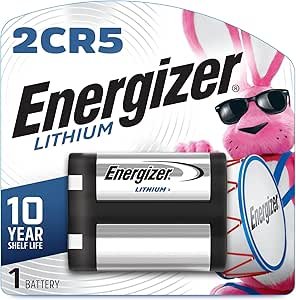
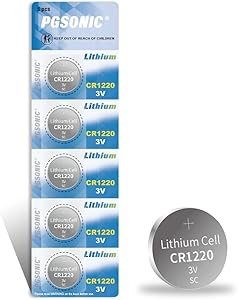
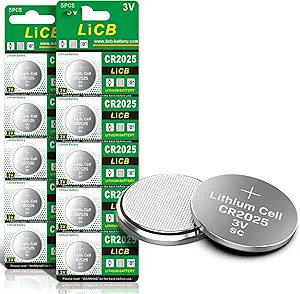
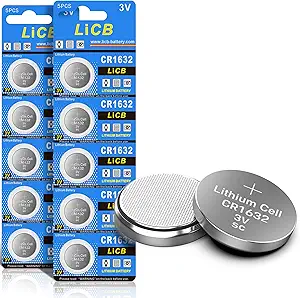
For other lithium sizes on this site, the Energizer 2CR5 covers a larger camera format cell, while the LiCB CR2025, the LiCB CR1632 and the PGSONIC CR1220 cover the coin cell end of the same 3 volt family. If your device can take a rechargeable pack instead, the Streamlight 20237 rechargeable battery shows what that route looks like. The 3V battery category and the household batteries category list the rest.
Who should buy this two pack
Buy it if your device is specified for a CR123A, you want a cell with a stated capacity and a described protection circuit, and two is the quantity you need. Skip it if your smoke or carbon monoxide alarm names a different battery, if you need a rechargeable cell, or if you have many devices and would be better served by a larger pack. And do not read the 10 year figure as runtime: it is a standby claim, and a working device will go through cells faster than that.